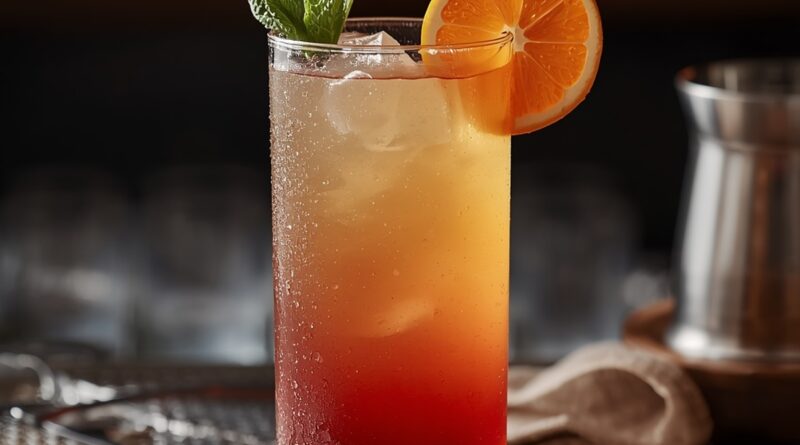
I Used to Think a Mocktail Was Just Juice — I Was Wrong
A few summers ago I offered to make drinks for a backyard dinner where half the table wasn’t drinking. My plan was embarrassingly lazy — orange juice, a splash of soda, done. One sip in, a friend said, “this just tastes like juice,” and she was right. That’s the night I actually looked into what a mocktail is supposed to be, and it turns out there’s real technique behind a good one. Here’s everything I found, tested, and now actually use.
Quick Summary
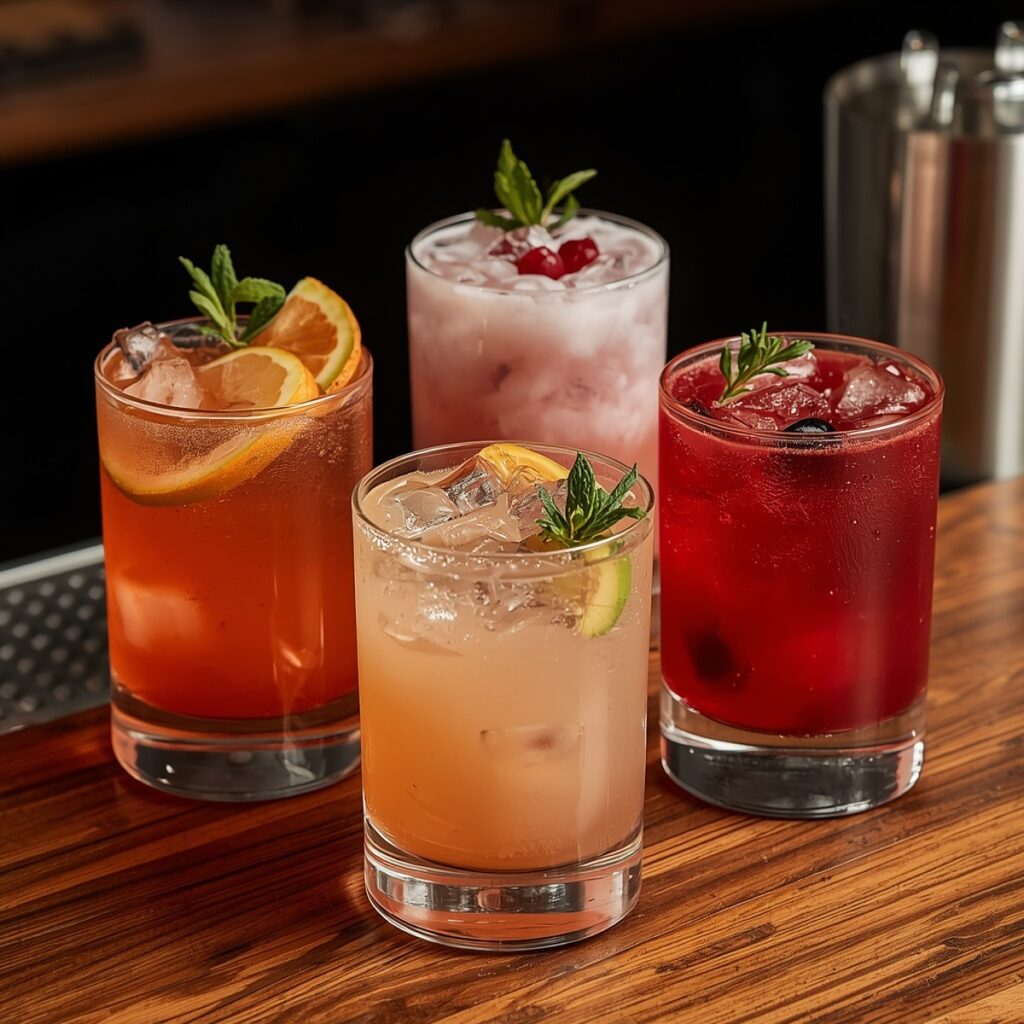
A mocktail is a non-alcoholic drink built with the same structure as a cocktail — a base liquid, fresh acid, a sweetener, and a fizzy topper — without any alcohol. The word blends “mock” (to imitate) and “cocktail.” A mocktail is broader than a “virgin cocktail,” which is specifically an alcohol-free copy of an existing cocktail recipe. Mocktails also differ from bottled zero-proof spirits, which are a single ingredient you can optionally use inside a mocktail, not a category of drink on their own. Good mocktails run 80–120 calories, well below the 250–300 calories in a typical cocktail, because alcohol itself carries roughly 7 calories per gram.
What Is a Mocktail?
A mocktail is a non-alcoholic mixed drink built with the same layered structure as a cocktail — fruit juice, herbs, syrup, and a sparkling mixer — with zero alcohol. Merriam-Webster defines it as a usually iced drink made from ingredients like juice, herbs, and soda water, but without alcohol. The name is a mashup of “mock,” meaning to imitate, and “cocktail.”
That definition undersells what a good one actually is, though. A glass of orange juice isn’t a mocktail — it’s juice. A Shirley Temple (ginger ale, grenadine, a maraschino cherry) is, because someone made a deliberate choice about balance, sweetness, and presentation. The difference between a mocktail and “a non-alcoholic drink” generally is intent: was it built, or just poured.
A Short History of the Mocktail
Non-alcoholic mixed drinks are older than the word “mocktail” itself. Jerry Thomas’s 1862 Bar-Tender’s Guide — widely considered the first American cocktail book — included “temperance drinks” made specifically for guests who didn’t drink, built with the same care as his alcoholic recipes.
Two drinks from the mid-20th century became the genre’s calling cards. Shirley Temple, reportedly created at Hollywood’s Chasen’s restaurant, mixed ginger ale with grenadine and a cherry. Its counterpart, the Roy Rogers, swapped in cola. Arnold Palmer added a more grown-up option in the 1960s — iced tea and lemonade, named for the golfer who was known to order it after a round.
The modern mocktail boom traces to 2013, when Alcohol Change UK launched Dry January. What started as a one-month challenge has since drawn well over a hundred million participants worldwide and pushed bars to build out real non-alcoholic menus instead of treating them as an afterthought.
Mocktail vs. Cocktail vs. Virgin Cocktail vs. Zero-Proof Spirit
These four terms get used almost interchangeably, but they’re not the same thing. Here’s how they actually break down:
| Term | What It Means | Contains Alcohol? |
| Cocktail | A mixed drink built around one or more spirits (vodka, gin, rum, etc.) plus mixers | Yes |
| Mocktail | Any non-alcoholic mixed drink built with real technique — includes both original recipes and virgin versions of cocktails | No |
| Virgin Cocktail | A specific alcohol-free copy of an existing cocktail — a Virgin Mojito, a Virgin Mary. A subset of mocktails, not a separate category | No |
| Zero-Proof Spirit | A bottled product distilled to taste like gin, whiskey, or rum without the ethanol — an optional ingredient you can use inside a mocktail | Typically under 0.5% ABV |
The short version: every virgin cocktail is a mocktail, but not every mocktail is a virgin cocktail — a Shirley Temple has no cocktail equivalent, it’s its own drink. And a zero-proof spirit isn’t a category of drink at all, it’s an ingredient option within a mocktail, the same way vodka is an ingredient option within a cocktail.
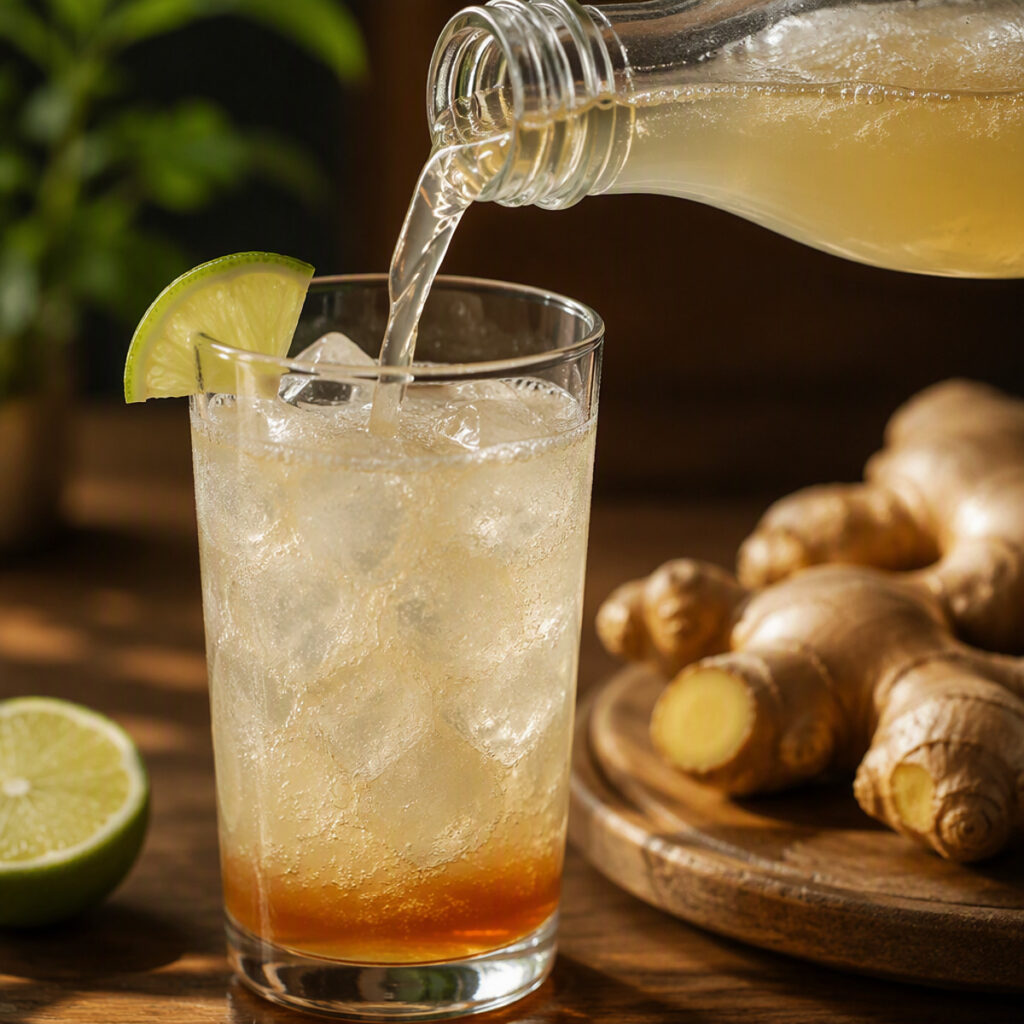
Why People Choose Mocktails
- Sober-curious drinking — cutting back deliberately, not necessarily quitting
- Health and fitness goals — alcohol affects sleep quality and recovery
- Pregnancy — a real, considered drink instead of sparkling water with a lemon wedge
- Religious observance — many faiths restrict alcohol entirely
- Designated driving — staying social without affecting the drive home
- Medication interactions — some common medications don’t mix well with alcohol
What Goes Into a Mocktail
Every mocktail I’ve made that actually worked came down to the same four building blocks. Skip one and the drink tastes flat or thin, no matter how good the individual ingredients are.
| Component | Role | Common Choices |
| Base | Sets the dominant flavor and gives the drink body | Ginger beer, cold-brew tea, sparkling water, hibiscus water |
| Acid | Cuts sweetness and keeps the drink from tasting like juice | Fresh lime, lemon, or grapefruit juice — always fresh, not bottled |
| Sweetener | Balances the acid; can also add color and aroma | Simple syrup, honey syrup, or a flavored syrup like raspberry or hibiscus |
| Fizz | Adds lift and texture, poured in last and never stirred hard | Sparkling water, tonic, ginger ale |
The one substitution I wouldn’t make: bottled citrus for fresh. I ran out of limes mid-batch once and finished with bottled juice — it tasted noticeably flatter and slightly metallic. Fresh citrus carries aromatic oils that bottled juice loses in processing, and it’s the single biggest difference between a mocktail that tastes crafted and one that tastes like watered-down soda.
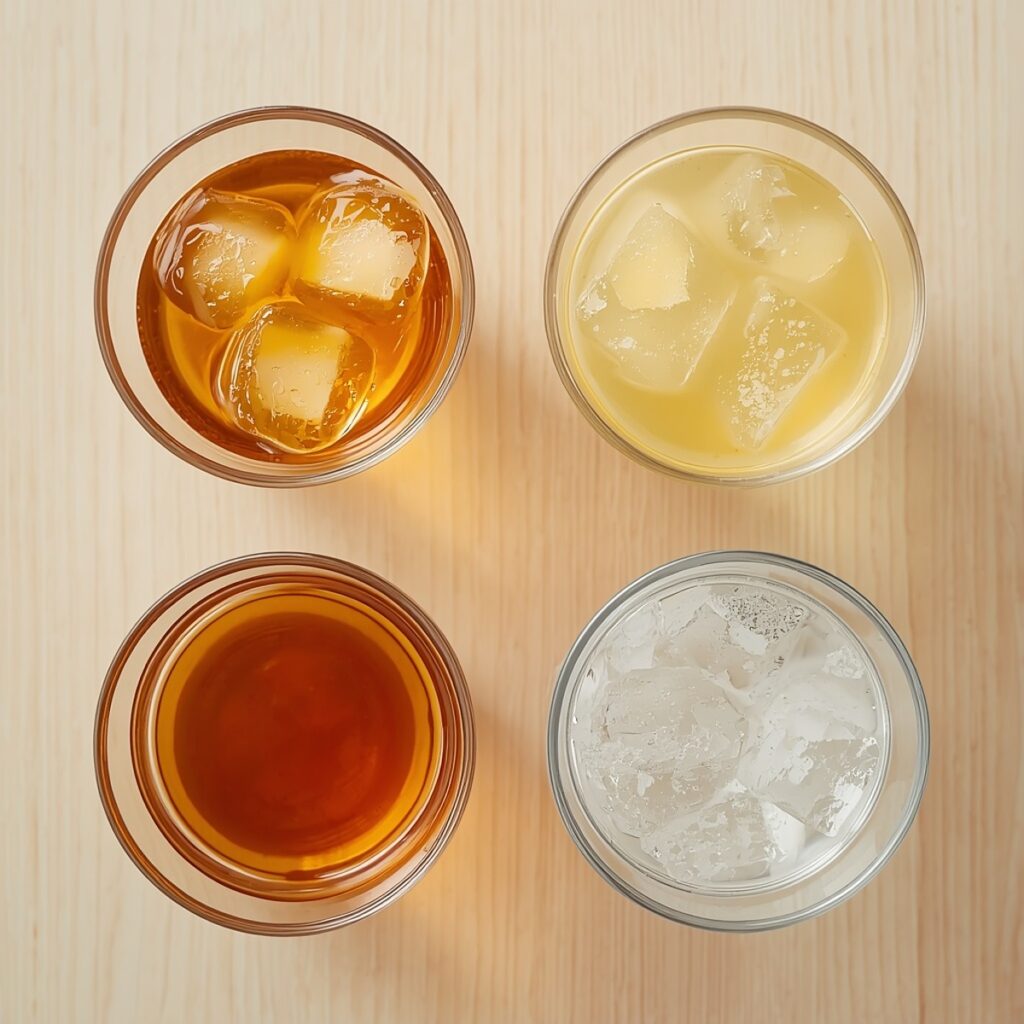
Types of Mocktails
- Virgin classics — direct alcohol-free copies of a cocktail, like a Virgin Mojito or Virgin Piña Colada
- Original mocktails — built from scratch with no cocktail counterpart, like a Shirley Temple or a dirty soda
- Sparkling mocktails — built with sparkling water or white grape juice for celebrations, standing in for champagne
- Functional mocktails — built around an added ingredient like apple cider vinegar or adaptogenic herbs, where taste should still come first
Why Homemade Mocktails Often Taste Flat
Almost every disappointing homemade mocktail traces back to one of these four fixable issues:
| Problem | Likely Cause | Fix |
| Tastes too sweet, no real flavor | Not enough acid, or a sweetened base was used | Double the fresh citrus; switch to plain sparkling water or unsweetened ginger beer |
| Flat despite bubbles | Bottled citrus juice, or the drink was stirred too hard after adding fizz | Use fresh juice; fold the fizz in gently instead of stirring |
| One-note, boring | Missing a fourth flavor layer | Add a dash of non-alcoholic bitters or a strip of citrus peel |
| Watery within minutes | Ice melting too fast | Use large ice cubes instead of standard tray ice — they melt slower |
Mocktail vs. Cocktail: Calorie Comparison
Alcohol adds roughly 7 calories per gram — nearly as dense as fat — which is most of why a cocktail and its mocktail version land so far apart:
| Drink Type | Typical Calories |
| Standard cocktail (e.g. margarita) | 250–300 calories |
| Mocktail version, same flavor profile | 80–120 calories |
The gap depends on syrup volume — a mocktail loaded with sweet syrup can still add up. Built with fresh citrus and a light hand on the sweetener, it stays well under a cocktail’s calorie count.
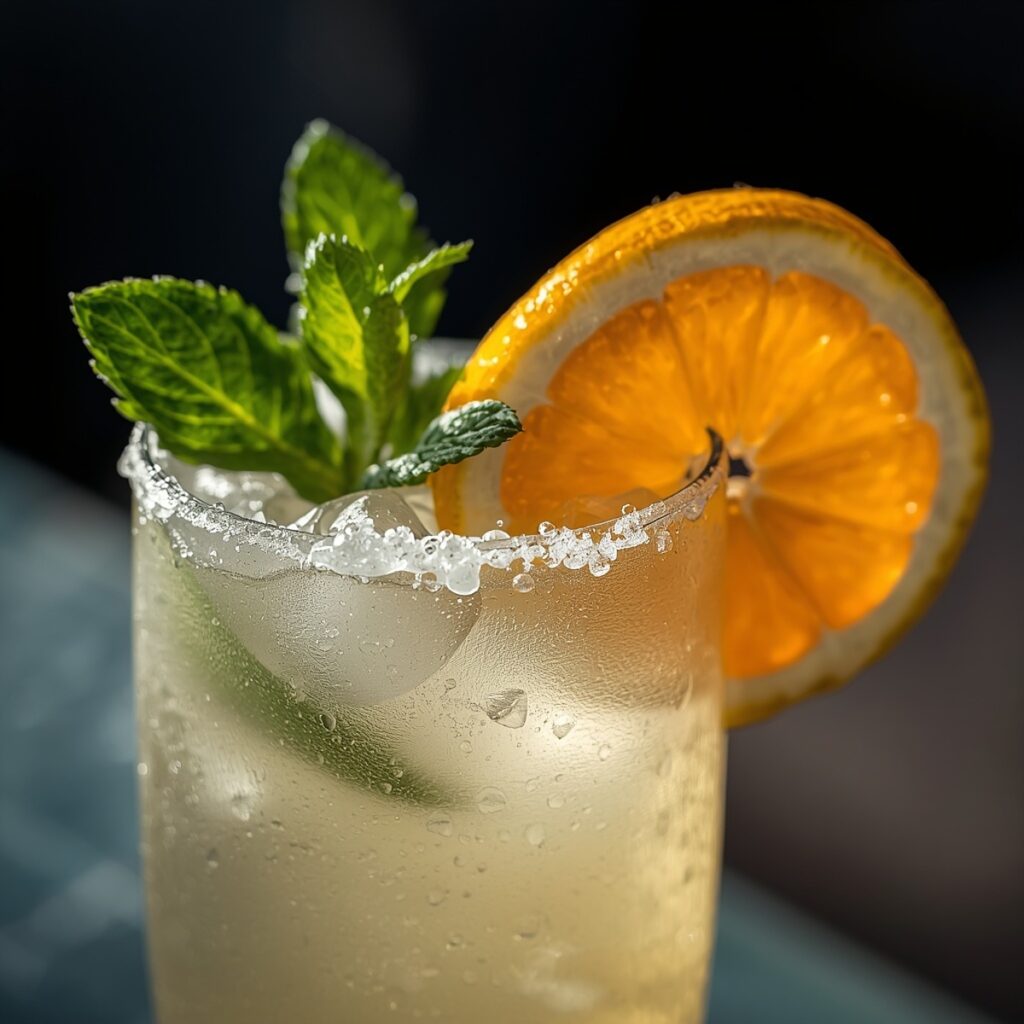
How to Make a Mocktail at Home
Once you’ve got the four components ready, building the actual drink takes under two minutes:
- 1. Fill a tall glass with large ice cubes — they melt slower than standard tray ice, so the drink stays cold without watering down as fast.
- 2. Pour in your base first (roughly 3 oz), straight over the ice.
- 3. Add your acid — about 3/4 oz of fresh citrus juice, squeezed directly in.
- 4. Add your sweetener — about 1/2 oz to start. Taste before adding more; it’s easier to add than to fix an over-sweet drink.
- 5. Top with your fizz, pouring gently down the inside of the glass to keep the bubbles intact. Give it one or two soft stirs, not a hard mix.
- 6. Taste it before you garnish. This is your last chance to adjust — once the garnish goes on, the drink is basically finished.
- 7. Garnish with something that relates to the flavor — a citrus wheel, a mint sprig, a skewered berry. One or two elements, not a pile.
A small trick that actually changes the result: if you’re using mint, clap it once between your palms before dropping it in. It bruises the leaf just enough to release the aroma, so you smell it on the first sip instead of just looking at it.
Do You Need Special Equipment?
Not really. A tall glass, a measuring cup or jigger, and a citrus squeezer cover almost everything. A few extras make repeat batches easier, but none of them are required to get started:
- Jigger or small measuring cup — removes the guesswork on your acid-to-sweet ratio
- Handheld citrus squeezer — faster and gets more juice out per fruit than squeezing by hand
- Long spoon — for the final gentle stir; a clean chopstick works in a pinch
- Fine mesh strainer — optional, useful once you’re making these regularly and want to catch seeds and pulp
- Large-format ice tray — worth it if you make mocktails often; standard ice cubes dilute the drink noticeably faster
Frequently Asked Questions
What does mocktail mean?
The word combines “mock” (to imitate) and “cocktail.” It describes a non-alcoholic drink built to imitate a cocktail’s flavor, structure, and presentation.
Is a mocktail the same as a virgin drink?
Not exactly. “Virgin cocktail” refers specifically to an alcohol-free version of an existing cocktail recipe. “Mocktail” is the broader category — it includes virgin cocktails but also original recipes, like a Shirley Temple, that have no cocktail equivalent.
Are mocktails healthy?
Mocktails remove alcohol’s health risks, but they aren’t automatically low-calorie or low-sugar — that depends entirely on how much syrup and juice goes in. A mocktail built with fresh citrus, a light pour of syrup, and sparkling water is a genuinely light option; one built on sweetened juice and heavy syrup isn’t meaningfully different from soda.
Can I make mocktails without bar equipment?
Yes. A measuring cup, a citrus squeezer, and a tall glass cover the basics. A jigger and a fine mesh strainer make things easier once you’re making them regularly, but neither is required to start.
What’s the difference between a mocktail and a dirty soda?
A dirty soda is a specific style of mocktail built on a soda base — usually cola or cream soda — mixed with flavored syrups and often a splash of cream or coconut cream. It’s an “original mocktail” in the sense that it has no cocktail counterpart; it’s its own category rather than a virgin version of an existing drink.
Can kids drink mocktails?
Traditional mocktails made with juice, syrup, and sparkling water are alcohol-free and fine for kids. The one thing to check is whether a recipe calls for a zero-proof spirit — most contain no alcohol at all, but a small number carry trace amounts (typically under 0.5% ABV), so it’s worth reading the label if you’re serving one to a child.
Do mocktails expire or go bad quickly?
A finished mocktail is best drunk fresh — the fizz starts flattening within 20–30 minutes. Individual components store separately much longer: simple syrup keeps in the fridge for about a month, and fresh-squeezed citrus juice is best used within a couple of days.
Related Recipes
Disclaimer: This article is for general informational purposes only and reflects RecipeValley’s own testing and research. It is not medical, nutritional, or legal advice. If you have specific health concerns — including questions about pregnancy, medication interactions, or alcohol use — please consult a doctor or registered dietitian.
About the Author
Jonas Mitchell is a home baker and recipe developer at RecipeValley, focused on approachable, kitchen-tested desserts and everyday recipes. He does not hold a clinical nutrition credential, and his content is for informational purposes only and is not a substitute for advice from a doctor or registered dietitian.
