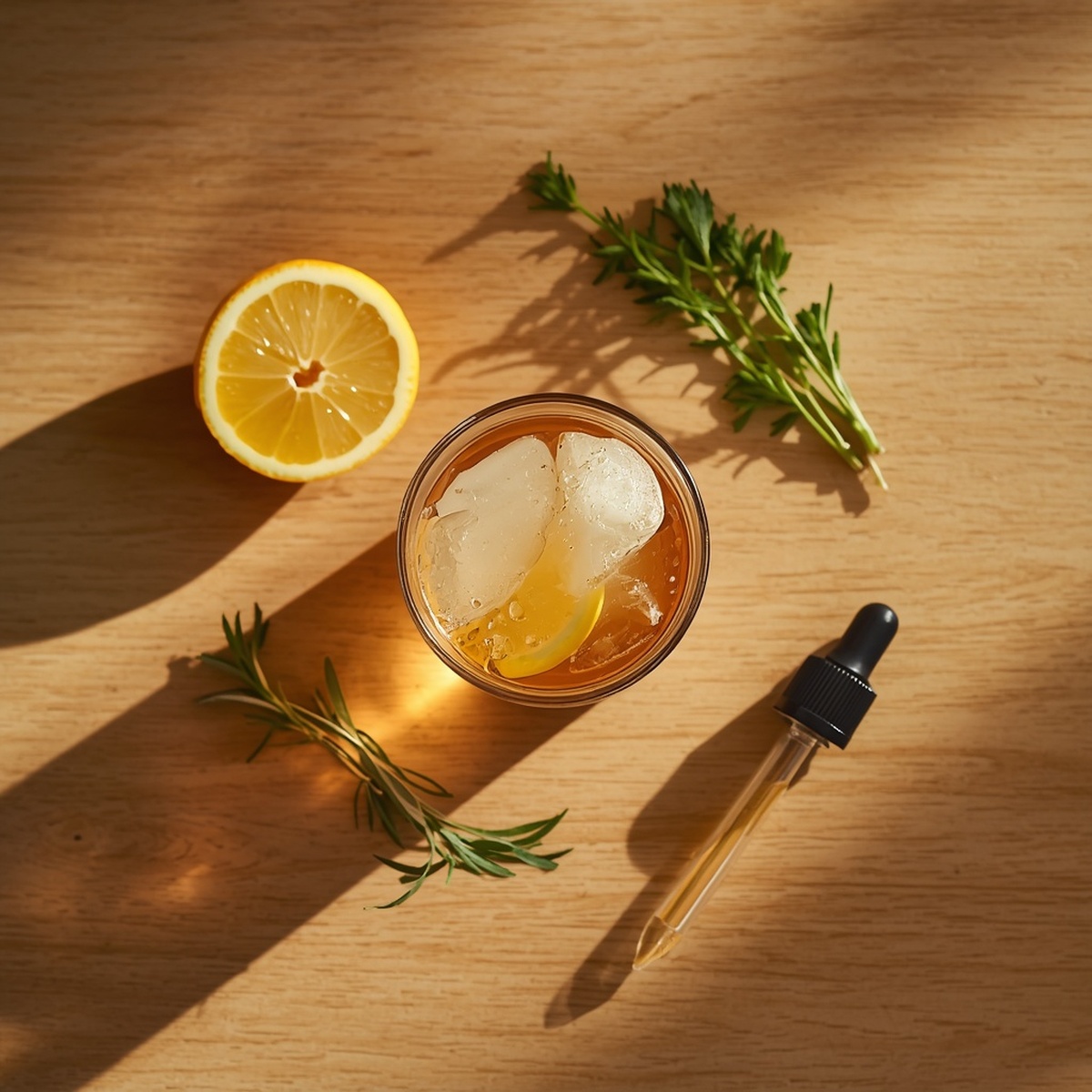
I Kept Seeing “Zero Proof” on Menus — Here’s What It Actually Means
I’ve spent a good chunk of time lately digging into what “zero proof” actually means, mostly because I kept seeing it on drink menus and had no idea if it meant the same thing as “mocktail” or something else entirely. Turns out it’s a real, specific term — not just a fancier way of saying “virgin drink” — and once I understood the distinction, a lot of drink menus made a lot more sense.
This isn’t about one recipe. It’s about understanding the term itself, and then showing you exactly how to build one at home without buying a single specialty bottle.
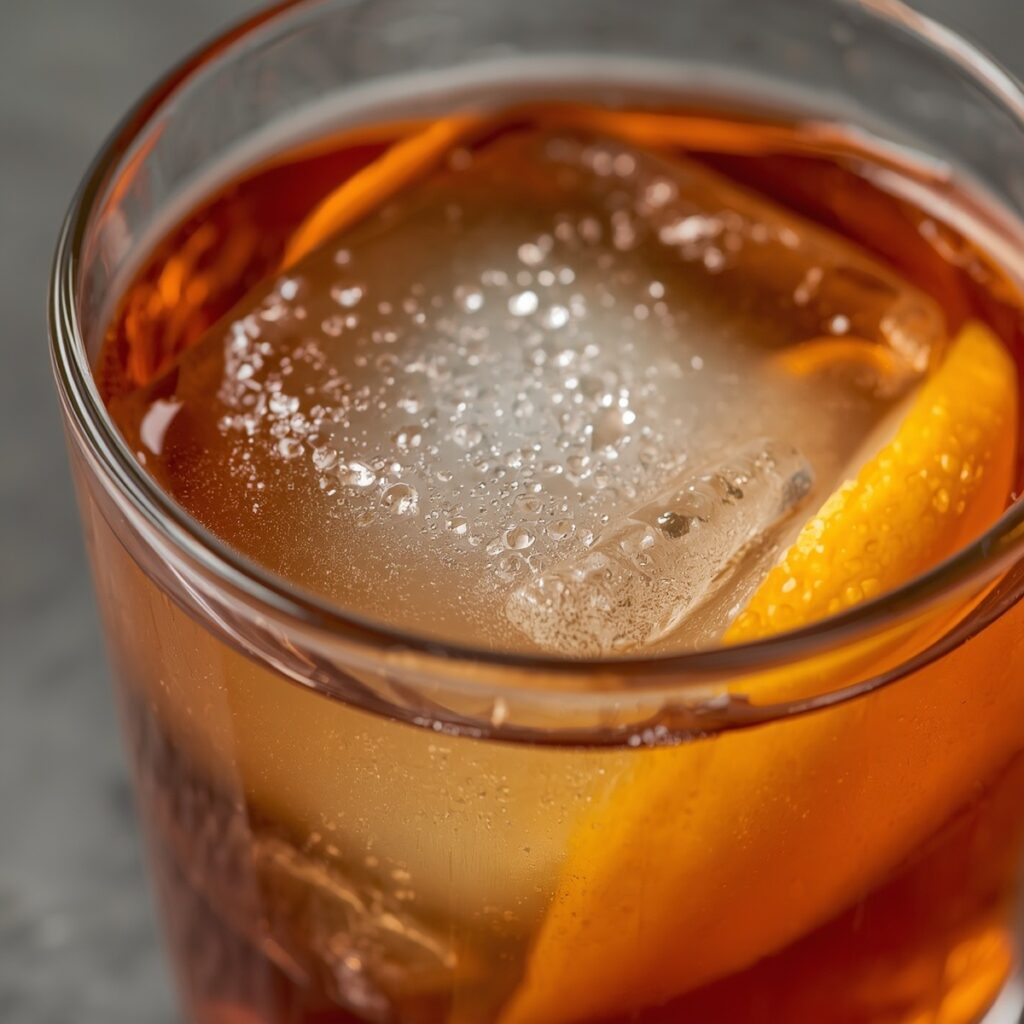
Quick Summary
So what is zero proof, exactly? It means a drink was built from the ground up to contain no spirit whatsoever — not a cocktail that had its spirit removed afterward, but one that never included it in the first place. It’s different from “non-alcoholic,” which can legally include a trace amount depending on where you live, and it’s different from a mocktail, which is a copycat of an existing cocktail rather than its own creation. Below: where the term actually comes from, how it compares to mocktails and other labels, and a simple formula for building one yourself using ingredients you probably already have.
What Does “Zero Proof” Actually Mean?
So what is zero proof, exactly? It means a drink was built from the ground up to contain no spirit whatsoever — not a cocktail that had its spirit removed afterward, but one that never included it in the first place. It’s measured on the old “proof” scale, where 0 is the floor. Zero proof beverages cover everything from a single mixed drink to entire bottled spirit lines built the same way.
That distinction — built without, versus stripped after the fact — is the whole reason the term exists separately from other labels you’ll see on a menu or a label.
Where Does the Word “Proof” Come From?
The word itself is centuries old. Sailors and tax collectors in 16th-century England needed a way to test whether a spirit was strong enough to be taxed at a higher rate. Their method: soak gunpowder in the spirit and try to light it. If it still caught fire, the spirit was “above proof” and taxed accordingly. If it didn’t, it was “under proof.”
A spirit just strong enough to keep gunpowder burning became the benchmark — 100 proof. Today in the US, proof is calculated as double the strength percentage on the label, so an 80-proof spirit is 40% strength. The UK moved away from the proof system decades ago in favor of listing the percentage directly, which is why British labels look different from American ones.
So when something is labeled zero proof, it’s using that same scale — just at the very bottom of it.
Zero Proof vs. Non-Alcoholic vs. Mocktail: What’s the Real Difference?
These three terms get used interchangeably, but they’re not quite the same thing.
| Term | What It Means | Worth Knowing |
|---|---|---|
| Zero Proof | Built from the ground up with no spirit included | The clearest, strictest label — reads as 0.0 on the proof scale |
| Non-Alcoholic | A legal labeling category that allows a small trace amount depending on country | Not always truly 0.0 — check the fine print if that matters to you |
| Mocktail | A copycat version of an existing cocktail, with the spirit left out | Defined by imitation — it’s built to resemble something else |
| Spirit-Free | A cocktail-style drink made without any spirit base | Often used interchangeably with zero proof on menus |
The short version: a mocktail is trying to be something else. This is its own thing — built with real technique and its own flavor identity, not a copy of a cocktail with one ingredient missing.
If you’re looking specifically for copycat versions of classic drinks, our guide on what a mocktail actually is covers that side of things — this article is about the broader, standalone category.
How to Build a Zero Proof Drink at Home
You don’t need a specialty bottle to make something genuinely good. A bottled zero proof spirit can help if you want to match a specific cocktail closely, but it isn’t required — the structure that makes a cocktail work is balance between a base, something sharp, something sweet, and something aromatic, and that works the same way without one.
| Part | Pick One |
|---|---|
| Base | Brewed tea, sparkling water, or a bold juice like grapefruit |
| Something Sharp | Fresh lime, lemon, or grapefruit juice |
| Something Sweet | Simple syrup, honey, or a fruit shrub |
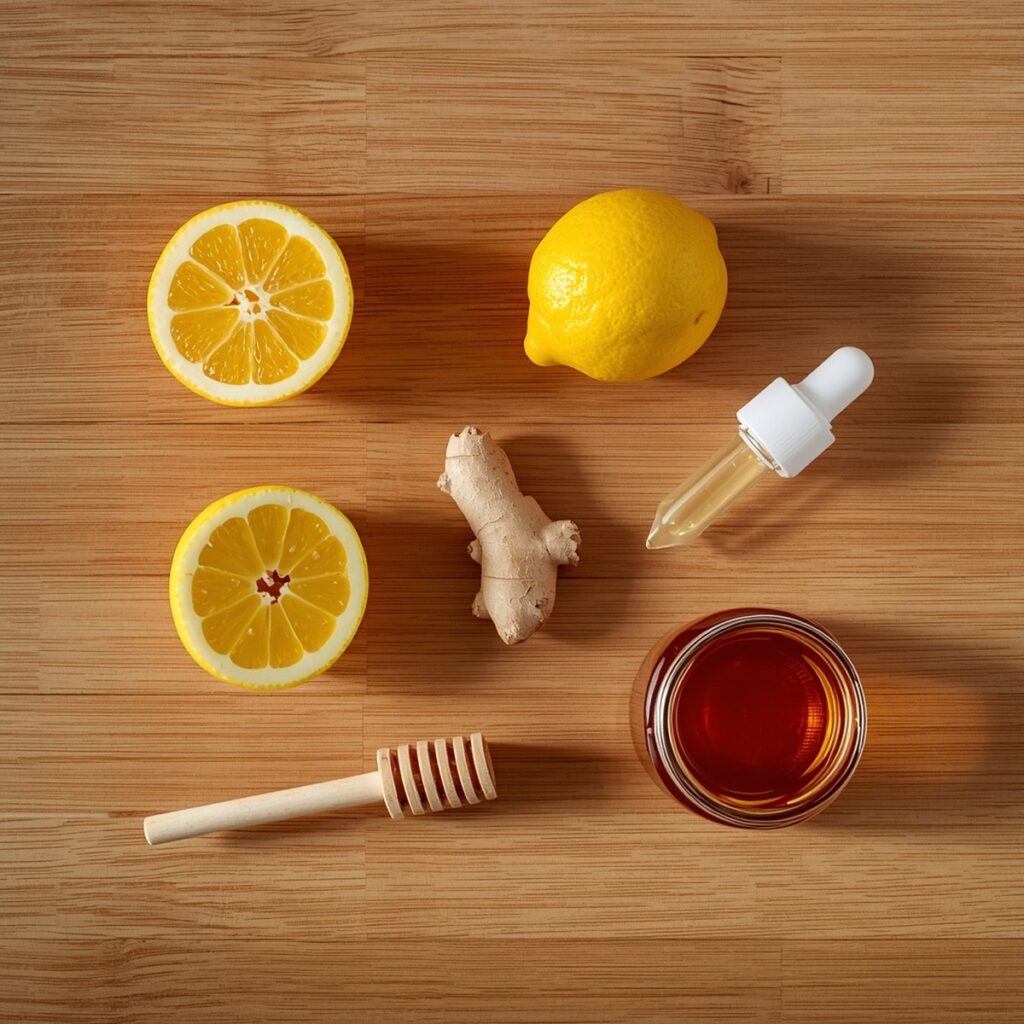
| Something Aromatic | A dash of bitters, fresh herbs, or a warming spice like ginger |
Build it the same way you’d build any mixed drink: ice first, base next, sharp element in, a small amount of sweet, then finish with the aromatic touch. Taste before you garnish — that’s your last chance to rebalance.
Three Cocktail Recipes Using What’s Already in Your Kitchen
If you’re after zero proof cocktail recipes (or zero proof cocktails recipes, or zero-proof cocktails — however you search for it), these three don’t require a shopping trip: a sour, a stirred sipper, and a citrus spritz, built the same way a bartender would build them, just without the spirit. Think of them as a starting shortlist of the best zero proof cocktails to try before you branch out on your own.
Paloma-Style Pour
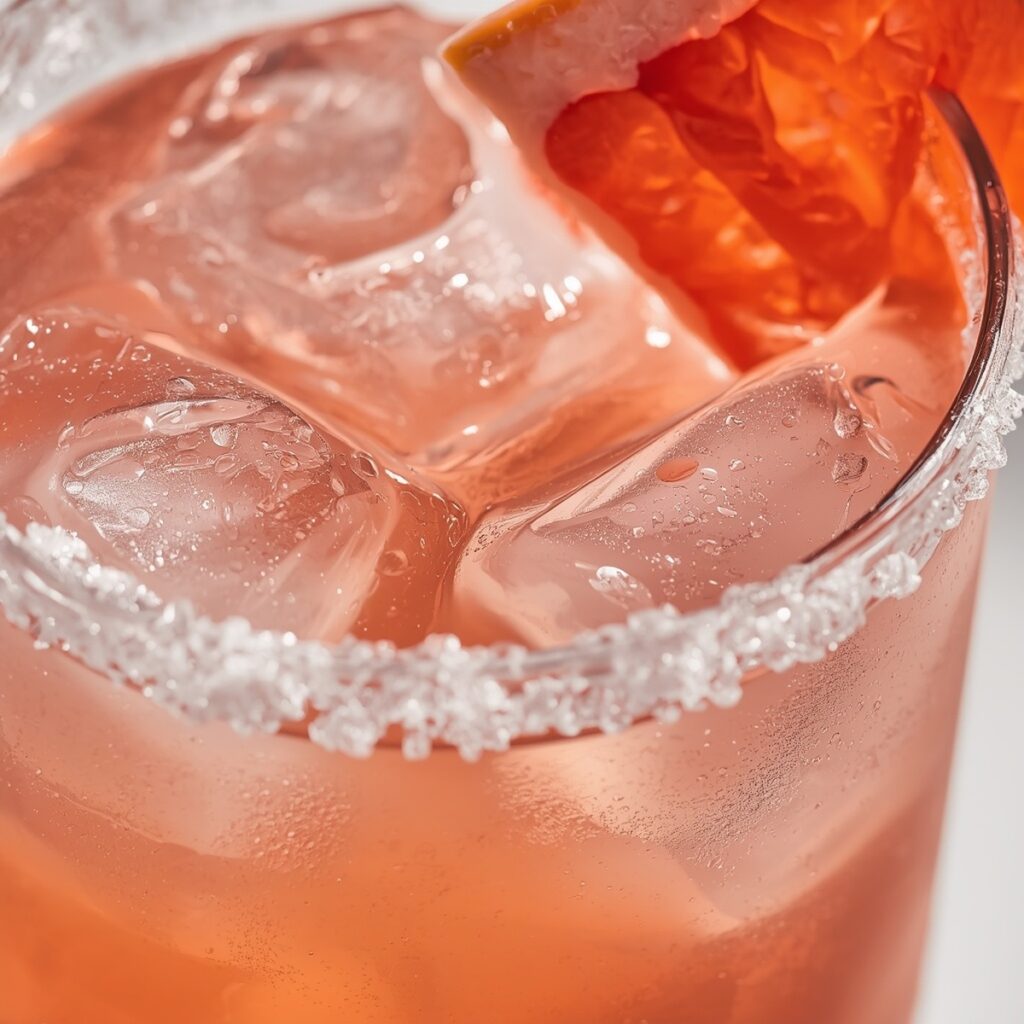
- 4 oz grapefruit juice
- 1/2 oz fresh lime juice
- 1/4 oz honey, warmed slightly to thin
- Club soda, to top
Salt the rim if you like. Combine grapefruit, lime, and honey over ice, then top with club soda.
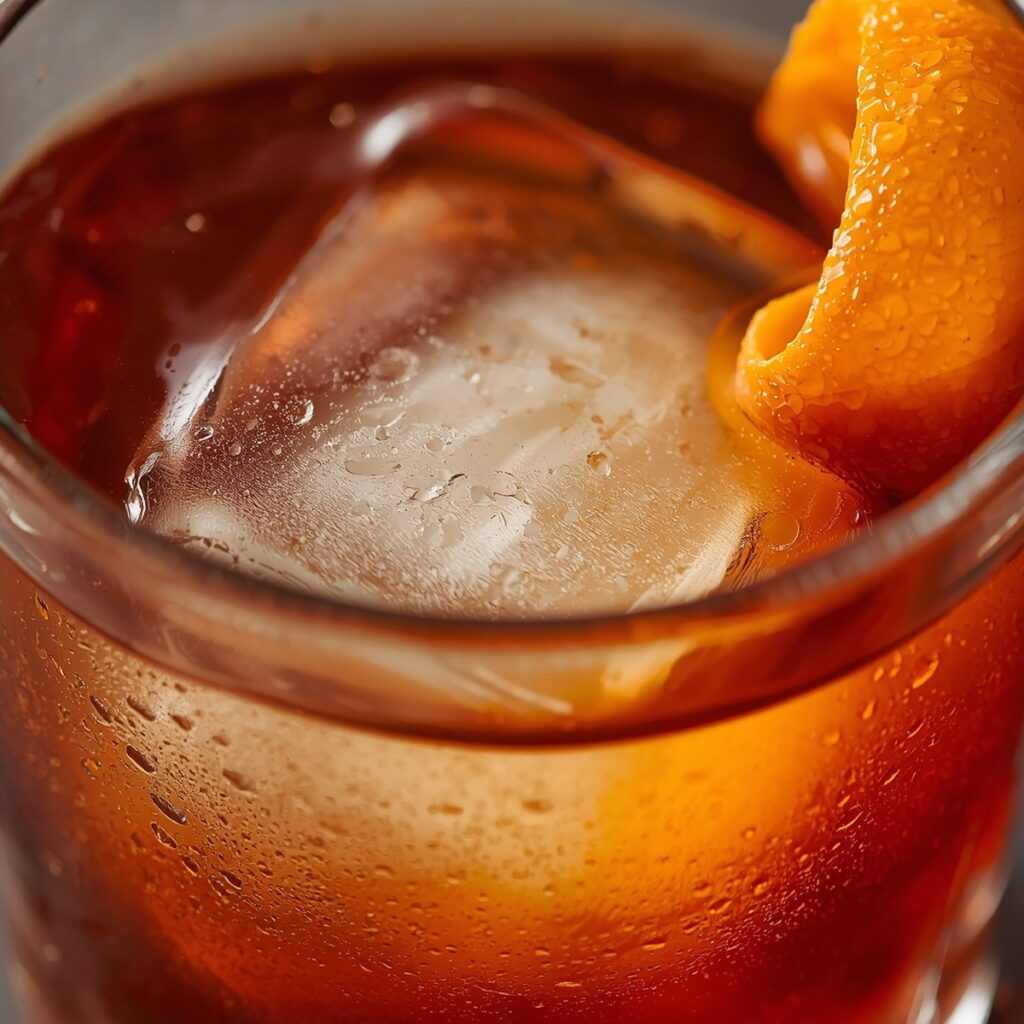
Old Fashioned-Style Sipper
- 4 oz brewed black tea, chilled
- 1 sugar cube or 1/4 oz simple syrup
- 2-3 dashes aromatic bitters
- Orange peel, for garnish
Muddle the sugar with the bitters in a rocks glass, add a large ice cube, pour in the chilled tea, and stir. Express the orange peel over the top before dropping it in.
Spiced Ginger Sour
- 3 oz fresh ginger tea, chilled
- 3/4 oz fresh lemon juice
- 1/2 oz honey syrup (equal parts honey and warm water)
Fill a shaker with ice, add all ingredients, shake hard, and strain over fresh ice.
Zero Proof Vodka, Whiskey, Bourbon, and Scotch: Do They Exist?
Yes — you’ll find zero proof vodka, zero proof whiskey, zero proof bourbon, and even zero proof scotch on shelves now, alongside zero proof prosecco for anything that calls for a sparkling pour. None of them contain actual spirit; they’re built from botanicals and extracts designed to echo the character of the original — the smoke and oak of a bourbon, the peat of a scotch, the crisp bite of a vodka.
You don’t need any of them to make a good one at home, but if you want to build a zero proof negroni or something closer to a classic cocktail’s exact profile, a bottled alternative gets you there faster than building the flavor from scratch.
Common Mistakes When Making Zero Proof Drinks
The most common issue is a drink that tastes flat or one-dimensional — usually because the aromatic element got skipped. Bitters, fresh herbs, or a warming spice are doing the job a spirit normally would, so leaving that part out is what makes it taste like plain juice with soda in it.
The second most common issue is over-sweetening. Without a spirit’s sharp edge to balance against, it’s tempting to add more syrup than the drink needs. If something tastes off, reach for acid — a squeeze of citrus — before reaching for more sweetener.
Frequently Asked Questions
What does zero proof mean on a drink menu?
It means the drink was built without any spirit at all, measured at 0.0 on the traditional proof scale — not a cocktail with the spirit removed afterward, but one that never had it to begin with.
Is zero proof non-alcoholic?
Not exactly. Non-alcoholic is a legal labeling term that can allow a small trace amount depending on where you are, while zero proof specifically means built to register 0.0 on the proof scale from the start.
Can these be made without buying a special bottle?
Yes. The three recipes above use tea, juice, honey, and bitters — all things you likely already have or can pick up at a regular grocery store, no specialty bottle required.
Are these suitable during pregnancy?
Since a true zero proof drink is built without any spirit from the start, it’s generally considered a safe choice, but always check with your doctor about your own situation.
What are zero proof cocktails, exactly?
What is zero proof cocktail, in plain terms? A cocktail-style drink built without any alcohol from the start, using bitters, citrus, and other real cocktail technique to create depth instead of relying on spirit for flavor. And is zero proof non alcoholic — not every non-alcoholic drink qualifies, since that labeling can allow a small trace amount depending on where you live.
Is zero proof alcohol free?
Yes — is zero proof alcohol free is really just another way of asking the same question. Zero proof alcohol means the drink was formulated to contain no alcohol at all, which is a stricter standard than “non-alcoholic” labeling allows.
Related Recipes
Disclaimer: This article is for general informational purposes only and reflects RecipeValley’s own research. It is not medical, nutritional, or legal advice. If you have specific health or dietary concerns, please consult a doctor or registered dietitian.
About the Author
Jonas Mitchell is a home baker and recipe developer at RecipeValley, focused on approachable, kitchen-tested desserts and everyday recipes. He does not hold a clinical nutrition credential, and his content is for informational purposes only and is not a substitute for advice from a doctor or registered dietitian.
