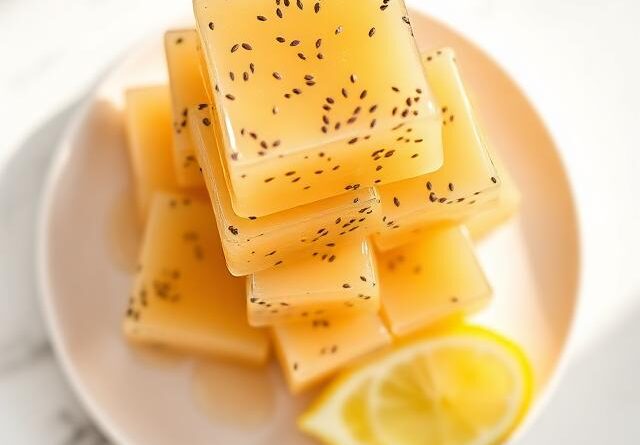
Chia Gelatin Weight Loss Recipe: Double Fiber & Protein
This chia gelatin weight loss recipe combines two ingredients that work through different mechanisms: chia seeds add fiber and absorb liquid to swell in your stomach, while gelatin adds protein and a firm, jiggly structure. Most recipes online use one or the other — this one uses both, which is the main thing that sets it apart from a typical chia pudding or a plain gelatin snack.
Quick Summary
This chia gelatin weight loss recipe combines chia seeds and unflavored gelatin in a single low-calorie snack, at around 55 calories and 4 grams of protein per serving, with the added fiber chia provides. It takes 5 minutes to prep and needs about 4 hours to set, or overnight for the best texture. Neither ingredient burns fat on its own, but combining fiber and protein in one snack may support fullness more than either ingredient alone.
Recipe Snapshot
| Prep Time | 5 minutes |
| Chill Time | 4 hours (overnight is better) |
| Servings | 4 servings |
| Calories | ~55 kcal per serving |
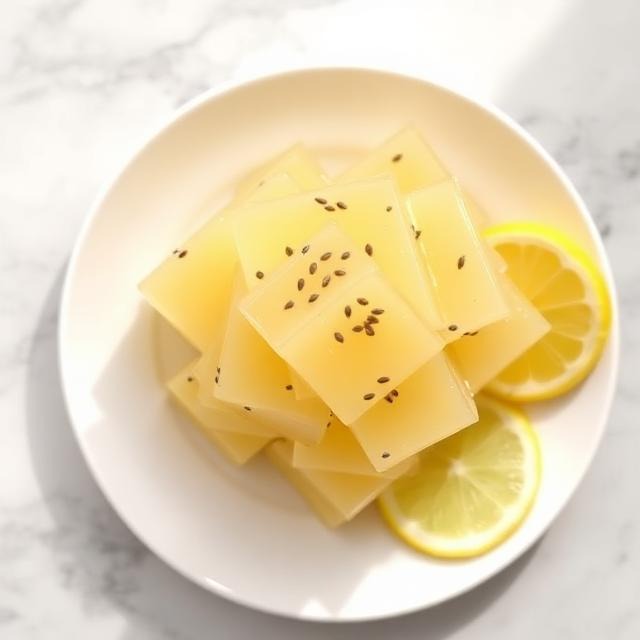
The Best Chia Gelatin Weight Loss Recipe: Two Mechanisms in One
Chia Gel vs. Gelatin: Why Combine Both?
Most recipes online pick one or the other. A plain chia gel recipe uses just chia seeds and a liquid, relying on the seed’s natural fiber to absorb water and swell into a loose, seedy gel — sometimes called jello with chia seeds. A plain gelatin recipe uses unflavored gelatin, relying on protein to set a firm, smooth texture. Each works through a different mechanism for fullness — fiber and water absorption in one case, protein and volume in the other.
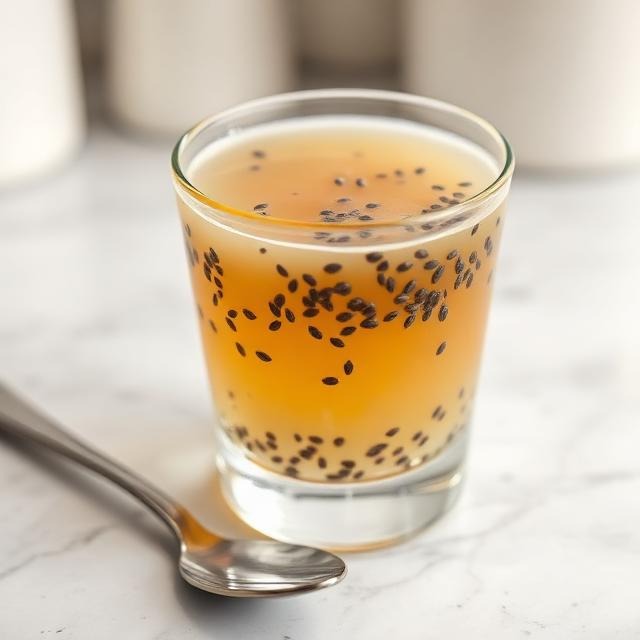
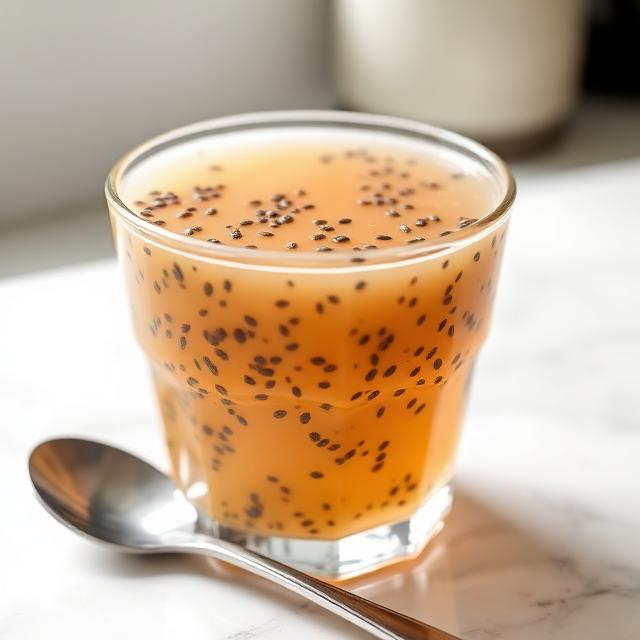
This recipe uses both, so you get the benefits of each mechanism in a single snack, along with a more interesting texture: a firm, gelatin-set base with visible chia seeds throughout for texture and crunch.
| Chia Alone | Gelatin Alone | Chia + Gelatin (This Recipe) | |
| Fiber | High | None | High |
| Protein | Low | Moderate | Moderate |
| Texture | Loose, seedy gel | Firm, smooth | Firm with texture |
| Fullness mechanism | Fiber + water absorption | Protein + volume | Both, combined |
Chia seeds are one of the more concentrated plant sources of fiber, with roughly 5 grams per tablespoon, along with a small amount of plant-based omega-3 fatty acids. Most of that fiber is soluble, which is what allows the seeds to absorb liquid and form a gel. Unflavored gelatin, on the other hand, contains no fiber at all, but does provide a genuine source of protein, largely made up of the amino acids glycine and proline. Combining the two means one recipe covers two nutrients that plain gelatin snacks and plain chia snacks each miss on their own.
Who This Recipe Works Best For
This recipe suits people who want a more filling snack than plain gelatin alone provides, or who already eat chia regularly and want a firmer, more portable format than a typical loose chia pudding. It’s a reasonable option for anyone building a higher-fiber, higher-protein snack routine, though it isn’t necessary or especially useful for anyone expecting fast or dramatic weight changes from a single snack.
Ingredients
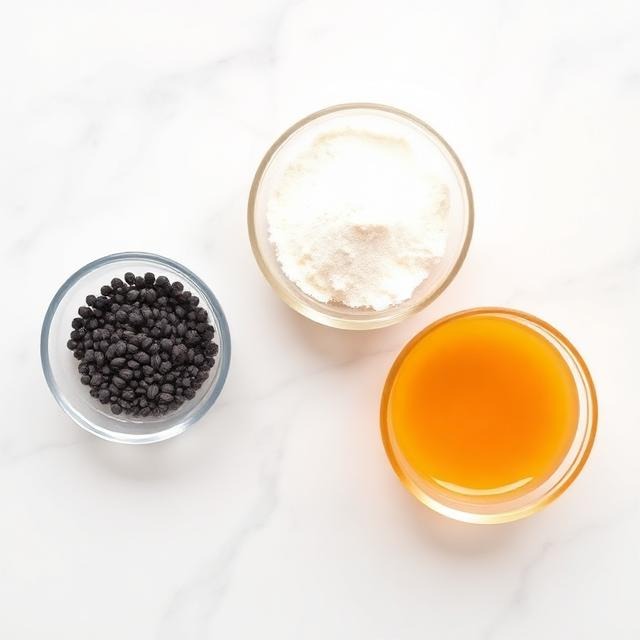
This makes 4 servings:
- 2 tablespoons chia seeds
- 1 tablespoon unflavored gelatin powder
- 1 3/4 cups unsweetened fruit juice or herbal tea, divided
- Optional: a few drops of liquid stevia, to taste
Step-by-Step Instructions
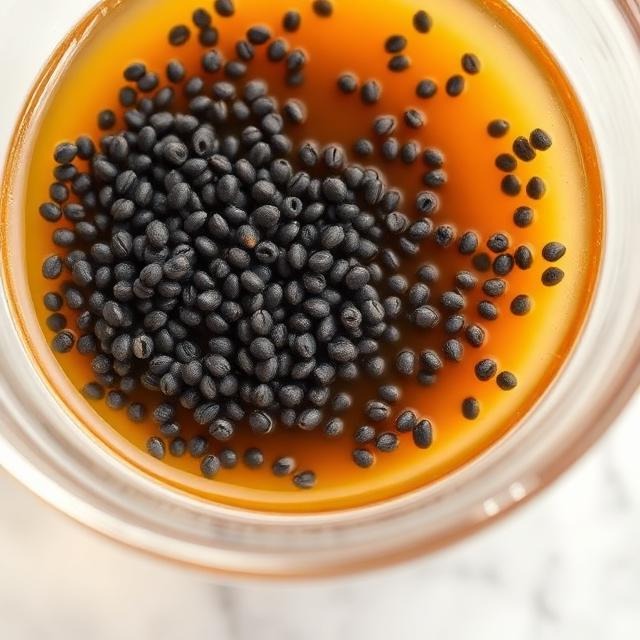
- Soak the chia seeds. Stir the chia seeds into 3/4 cup of the juice or tea in a bowl. Let it sit for 15 minutes, stirring once or twice, until the seeds swell and thicken slightly.
- Bloom the gelatin. While the chia soaks, sprinkle the gelatin over 1/4 cup of cold water or juice in a separate small bowl. Let it sit for 5 minutes until spongy.
- Warm the rest. Heat the remaining 1 cup of juice or tea until hot but not boiling.
- Combine. Pour the hot liquid over the bloomed gelatin and whisk until fully dissolved. Stir in the soaked chia mixture and sweetener, if using.
- Pour into a shallow dish or individual cups and refrigerate for at least 4 hours, or overnight for the best texture.
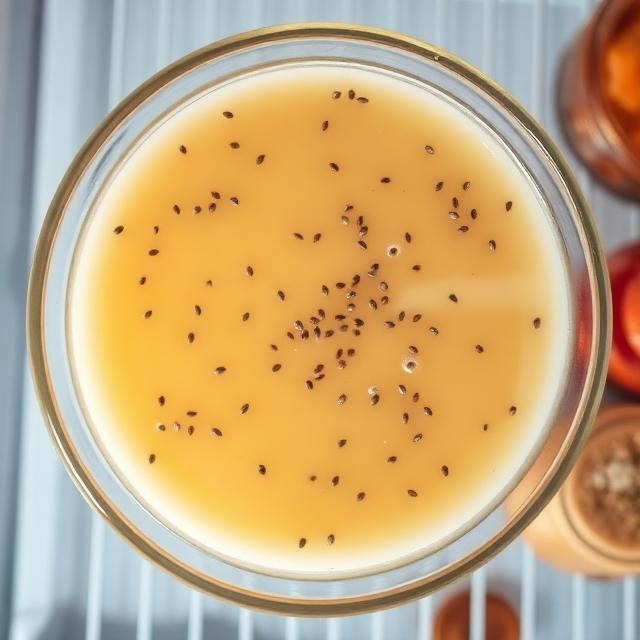
- Cut into cubes, or serve directly from cups.
Common Mistakes to Avoid
- Skipping the chia-soaking step — adding dry chia seeds straight into the gelatin mixture leads to uneven swelling and a gritty texture
- Adding gelatin directly to hot liquid instead of blooming it in cold liquid first
- Not stirring the chia seeds during the first few minutes of soaking, which causes clumping
- Using raw pineapple, kiwi, or papaya juice, whose enzymes stop gelatin from setting
- Not chilling long enough — this recipe needs more time than a plain gelatin recipe because of the added chia
Does This Chia Gelatin Recipe Actually Help With Weight Loss?
Neither chia seeds nor gelatin burn fat, and combining them doesn’t change that. What this recipe realistically offers is two different, complementary ways to support fullness in one low-calorie snack: chia’s fiber absorbs liquid and adds bulk, while gelatin’s protein content and volume can modestly curb appetite before a meal. Fiber and protein are both nutrients commonly associated with satiety in general nutrition research, so pairing them may be more filling than a snack built around just one or the other, though this hasn’t been studied for this specific recipe.
Treat this as a thoughtful, higher-fiber take on the gelatin trick, not a treatment or a guaranteed result. It fits into a broader eating pattern the same way any other portion-controlled snack does.
Variations Worth Trying
- Cranberry Chia Gelatin: Use unsweetened cranberry juice for natural tartness and a pink-red color
- Protein-Boosted Version: Whisk in a scoop of unflavored protein powder along with the gelatin for extra protein per serving
- Coconut Chia Gelatin: Replace half the liquid with unsweetened coconut milk for a creamier, richer texture
- Herbal Tea Version: Use brewed and cooled hibiscus or berry tea for the lowest-sugar option
Storage
Store in an airtight container in the refrigerator for up to 5 days. The texture holds up slightly better than plain gelatin alone, since the chia seeds help maintain structure, but it’s still best enjoyed within the first few days. Don’t freeze it — freezing breaks down the gel structure, and the texture turns watery and grainy once thawed.
Frequently Asked Questions
Is this the same as chia pudding weight loss recipes?
Not quite. Chia pudding typically uses milk and relies only on chia seeds to thicken, giving a looser, spoonable texture. This recipe adds unflavored gelatin, which creates a firmer, sliceable texture and adds protein that plain chia pudding doesn’t have.
How is this different from a chia seed weight loss recipe without gelatin?
A chia-only recipe relies entirely on fiber and water absorption for its texture and fullness effect. Adding gelatin brings in a second mechanism, protein and volume, along with a firmer texture that holds its shape better than chia alone.
What is chia jello, and is it the same thing?
Chia jello usually refers to chia seeds soaked in juice with no gelatin added, resulting in a looser, seedier gel. This recipe is closer to a hybrid between chia jello and a traditional gelatin recipe.
Why do chia seeds gel in liquid?
Chia seeds have a soluble fiber coating that absorbs many times their weight in liquid, forming a gel-like layer around each seed. This is the same property that makes chia useful in puddings and as an egg substitute in baking.
Can I make this without gelatin, just with chia?
Yes, though the texture will be looser and seedier, closer to a traditional chia pudding or chia jello, and it will have less protein per serving without the gelatin.
Is it safe to eat chia seeds every day?
For most healthy adults, a moderate daily amount is generally fine, but chia is very high in fiber, so introduce it gradually and drink enough water alongside it. Check with a doctor if you have any digestive conditions.
Related Recipes
More from the Weight Loss Recipes collection:
- Gelatin Weight Loss Recipe (Full Guide)
- Best Pink Gelatin Recipe for Weight Loss
- The Gelatin Trick for Weight Loss
- 3-Ingredient Gelatin Recipe for Weight Loss
- Jello Recipe for Weight Loss
Chia Gelatin Weight Loss Recipe
Ingredients
Equipment
Method
- Stir the chia seeds into 3/4 cup of the juice or tea in a bowl. Let it sit for 15 minutes, stirring once or twice, until the seeds swell and thicken slightly.
- Sprinkle the gelatin over 1/4 cup of cold water or juice in a separate bowl. Let it sit for 5 minutes until spongy.
- Heat the remaining 1 cup of juice or tea until hot but not boiling.
- Pour the hot liquid over the bloomed gelatin and whisk until fully dissolved. Stir in the soaked chia mixture and sweetener, if using.
- Pour into a shallow dish or cups and refrigerate at least 4 hours, or overnight for best texture.
- Cut into cubes, or serve directly from cups.
Notes
Disclaimer: This article is for informational purposes only and is intended for general educational use. It is not medical advice, nutritional counseling, or a substitute for guidance from a doctor or registered dietitian. Chia seeds are high in fiber, and increasing fiber intake too quickly can cause digestive discomfort in some people, so consider starting with a smaller portion if you don’t regularly eat high-fiber foods, and drink plenty of water alongside this recipe. If you have a swallowing disorder, a history of intestinal strictures or bowel obstruction, or any other condition affecting digestion, talk to your doctor before adding chia seeds to your diet, since they can expand significantly in the digestive tract. Always consult a healthcare professional before making changes to your diet, especially if you are pregnant, nursing, managing a chronic condition, or taking medication.
About the Author
Jonas Mitchell is a recipe developer at RecipeValley, focused on high-protein and weight-loss-friendly recipes that are simple to make at home. Every recipe is tested for taste and consistency before publishing. Jonas does not hold a clinical nutrition credential; health-related information in this article is compiled from publicly available nutrition data and general dietary guidance, and should not replace advice from a doctor or registered dietitian. Contact: contact@recipevalley.com