Bariatric Gelatin Recipe for Weight Loss: The Complete High-Protein Guide
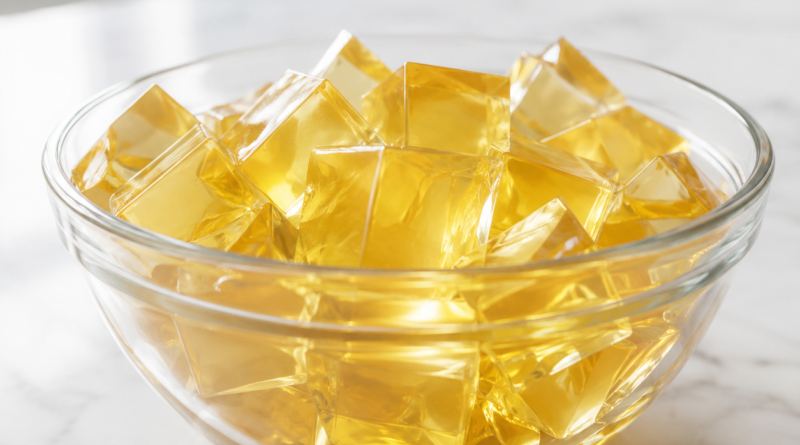
This bariatric gelatin recipe for weight loss is built for one job: giving you a low-calorie, high-protein snack that is easy to portion and gentle on a healing stomach. It uses unflavored gelatin, a clear protein source, and a low-calorie liquid — no added sugar, no heavy ingredients, and no guesswork on portions. Unlike the plain viral “gelatin trick” videos going around, this version is protein-forward and built around real bariatric nutrition needs, whether you are weeks post-op or years into maintenance.
What Is a Bariatric Gelatin Recipe? (What’s In Bariatric Gelatin)
A bariatric gelatin recipe is a modified version of ordinary gelatin dessert, rebuilt specifically for post-surgery nutrition. So what is in bariatric gelatin that makes it different from a box of flavored gelatin at the store? Three things: unflavored gelatin for structure, a clear protein source (usually whey isolate or collagen peptides) for satiety and muscle support, and a sugar-free liquid base instead of the corn syrup and dye found in packaged gelatin mixes.
The combination matters. Plain gelatin alone is mostly water and collagen — filling for a moment, but not doing much for your protein goals. Adding a clean protein source turns it into a functional snack that supports muscle retention during a calorie deficit, which is one of the biggest concerns after bariatric surgery.
Bariatric Gelatin vs. the Viral “Gelatin Trick”
Social media has popularized a “gelatin trick” where people dissolve plain gelatin in warm water or tea and drink it daily for weight loss. It is not a fat-burning trick — gelatin does not target fat. The reason it gets attention is that it is extremely low in calories and creates a feeling of fullness. This bariatric version takes that same base idea and adds structure, protein, and portion control so it actually fits a post-op or weight-loss nutrition plan instead of just being a viral trend.
| Feature | Viral Gelatin Trick | This Bariatric Gelatin Recipe |
| Protein content | Gelatin only, incomplete protein | Gelatin + whey isolate or collagen peptides |
| Sugar | Often flavored packets with sugar | Zero sugar, stevia or monk fruit only |
| Portion control | Inconsistent, often a full mug | Pre-portioned into cups or a muffin tin |
| Post-op appropriate | Not designed for it | Built around bariatric phase guidelines |
| Calories per serving | Varies widely | 50–75 calories, tracked |
| Protein per serving | 1–2g | 7–12g |
Why This Is the Best Bariatric Jello Recipe for Weight Loss
- High protein, low volume: 7–12g of protein in under 75 calories, so you are not eating a large amount of food to hit your macros.
- Zero added sugar: sweetened only with stevia or monk fruit, so it will not spike blood sugar or add empty calories.
- Pre-portioned by design: pour into a muffin tin or small cups so every serving is already measured — no guessing.
- Gentle texture: cold, soft, and smooth, which tends to sit easier on a healing or sensitive stomach than heavier snacks.
- Flexible: works with fruit juice, herbal tea, or flavored electrolyte water depending on the phase you are in.
Ingredients You’ll Need (Diet Gelatin Recipes Ingredient Breakdown)
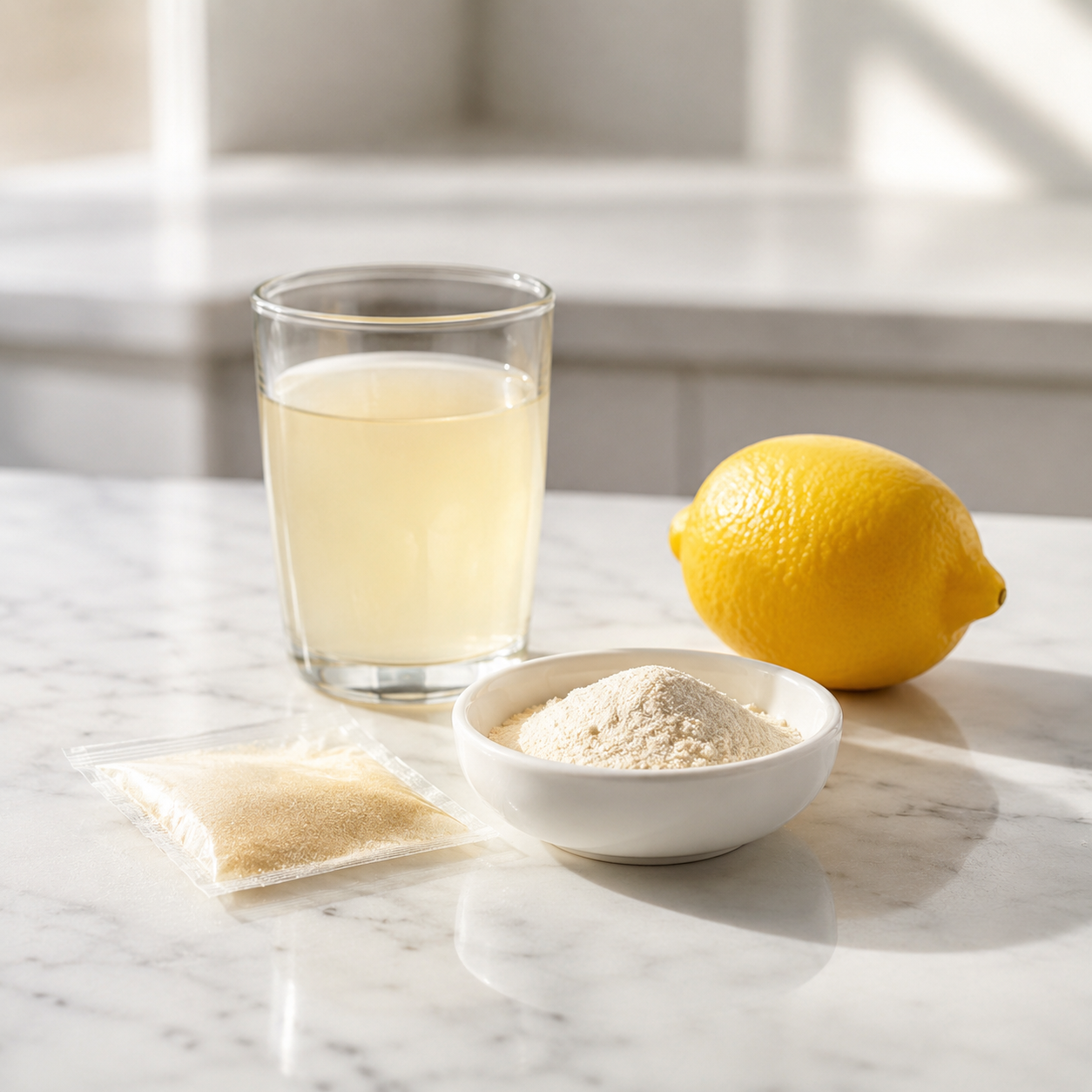
These are the ingredients most diet gelatin recipes for weight loss are built around, and why each one earns its place:
| Ingredient | Why It’s Used | Substitution |
| 1 tbsp unflavored gelatin powder | Provides structure and the signature soft-set texture | Agar-agar for a vegan version (firmer set) |
| 1/4 cup cold water | Blooms the gelatin so it hydrates evenly | None — blooming step is required |
| 3/4 cup low-calorie liquid (diluted juice, herbal tea, or flavored water) | Adds flavor and volume without added sugar | Sugar-free electrolyte water for a lower-carb version |
| 1 scoop clear whey protein isolate or collagen peptides | Adds 7–12g of protein per serving | Unflavored collagen peptides for a dairy-free option |
| 1/4 cup cold water (for protein slurry) | Pre-mixes the protein so it does not clump in warm liquid | None — this step prevents grainy texture |
| 1–2 drops liquid stevia or monk fruit (optional) | Sweetens without sugar or carbs | Allulose or erythritol |
| 1 tsp lemon juice (optional) | Brightens the flavor and cuts sweetness | Lime juice |
The Gelatin Bloom Method (Why It Matters)
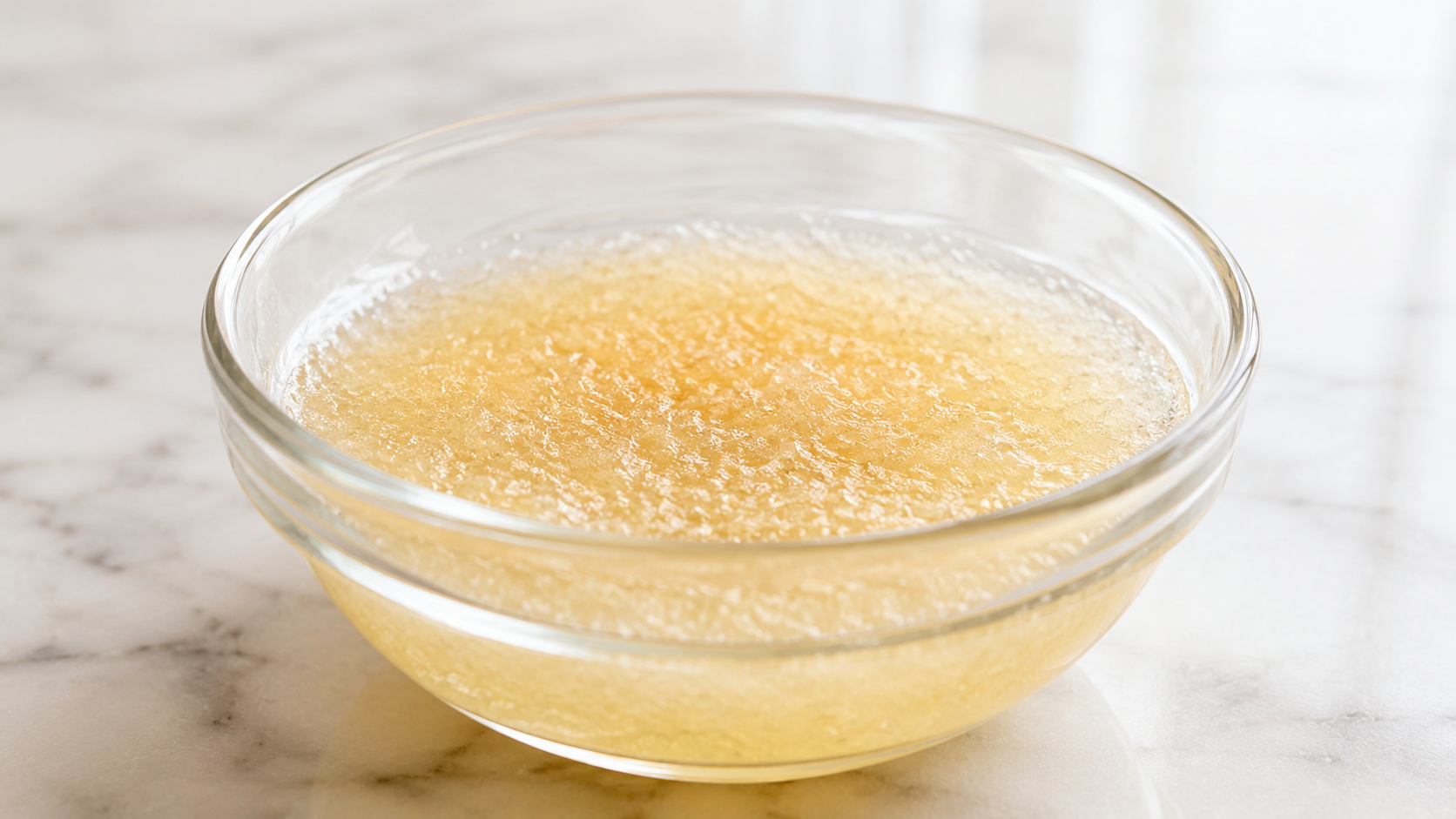
Unflavored gelatin has to bloom before it meets warm liquid. Sprinkle it evenly over cold water and let it sit undisturbed for five minutes so every granule hydrates. If you skip this and dump dry gelatin straight into warm liquid, it clumps almost instantly and leaves you with rubbery bits instead of a smooth set. This one step is the difference between a professional-texture result and a grainy one.
Step-by-Step Instructions
- Bloom the gelatin: Sprinkle the gelatin powder evenly over 1/4 cup cold water in a small bowl. Let it sit undisturbed for 5 minutes until it becomes a firm, sponge-like mass.
- Warm the liquid: In a small saucepan, heat your juice, tea, or flavored water until hot but not boiling.
- Dissolve the gelatin: Pour the hot liquid over the bloomed gelatin and stir until it is completely melted and the mixture looks clear and smooth.
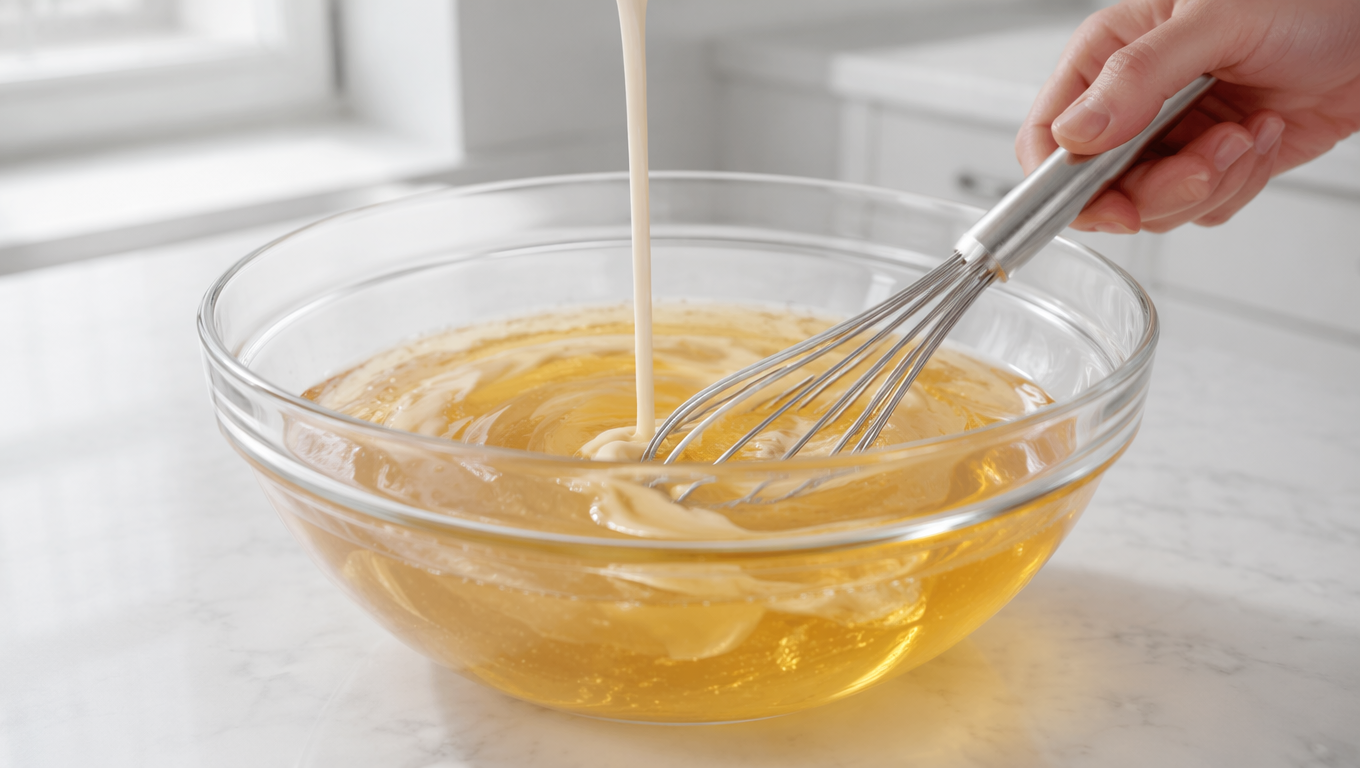
- Make the protein slurry: In a separate cup, whisk the protein powder with the remaining 1/4 cup cold water until smooth and lump-free.
- Cool slightly: Let the gelatin mixture cool for 2–3 minutes so it is warm, not hot.
- Combine: Slowly whisk the cold protein slurry into the warm gelatin mixture until fully incorporated.
- Flavor: Stir in stevia and lemon juice if using.
- Portion: Pour into a muffin tin, small cups, or silicone molds for pre-portioned servings.
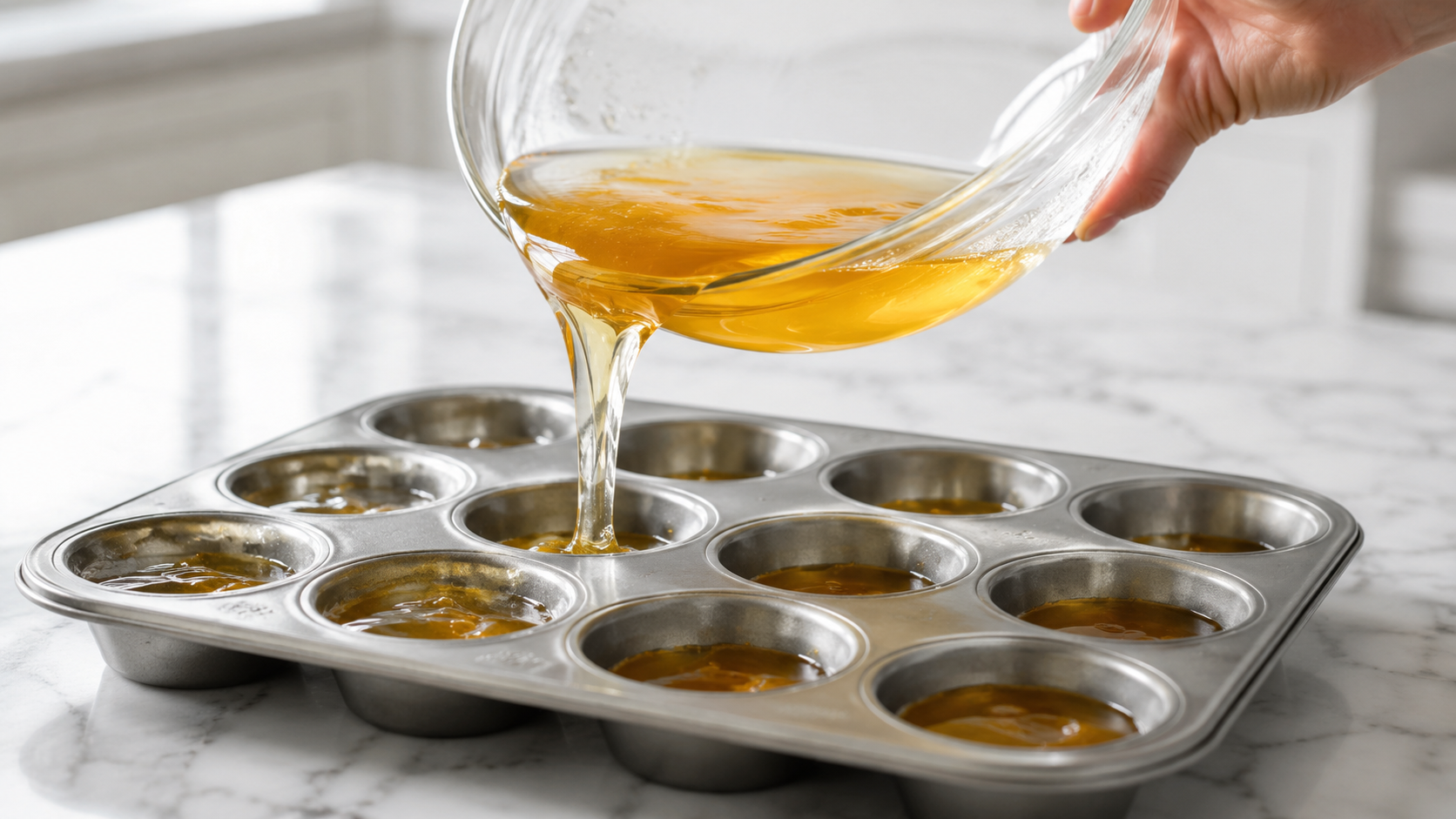
- Chill: Refrigerate for 2–3 hours, or until completely set and firm to the touch.
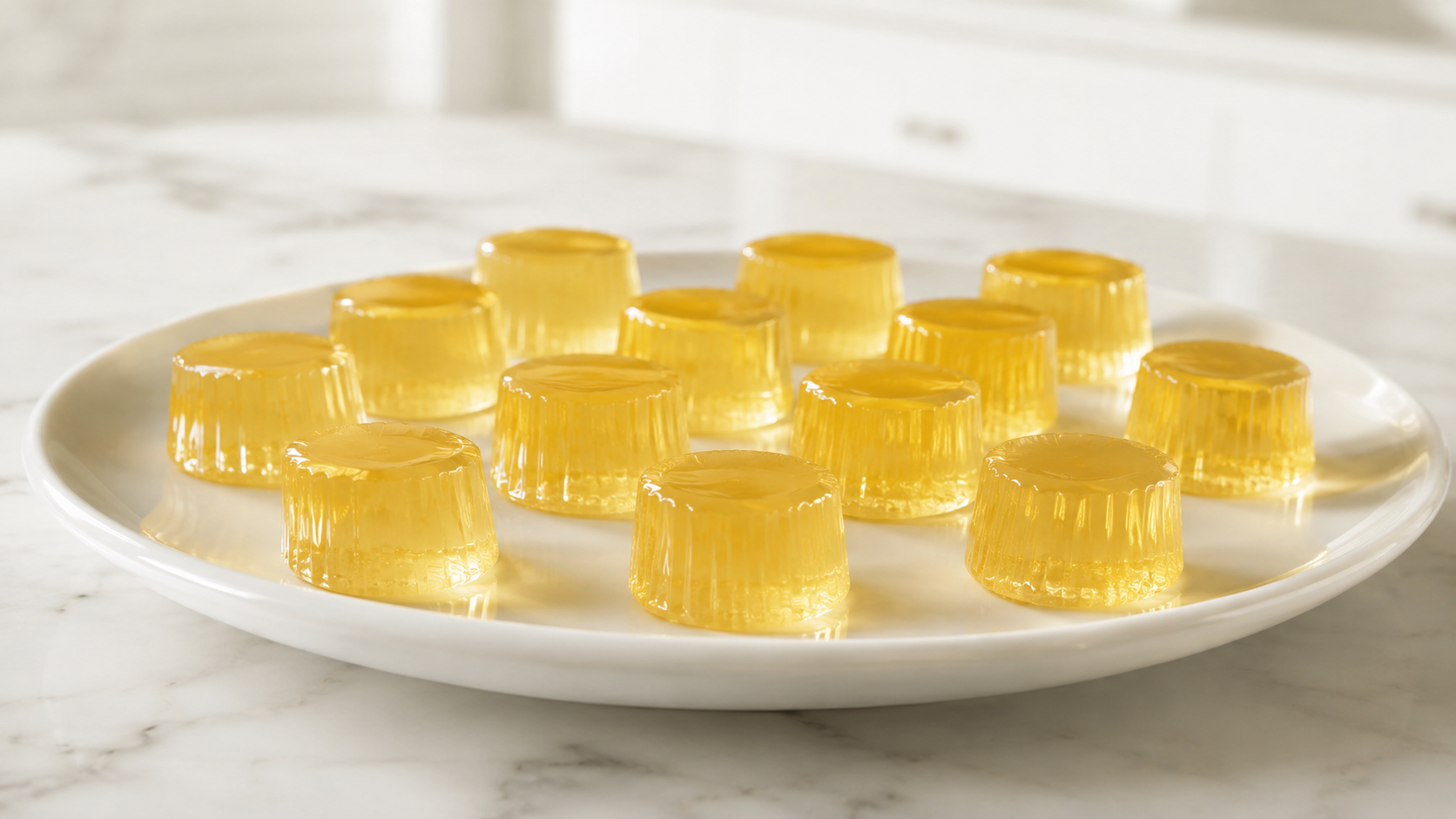
- Serve: Run a warm knife around the edges to release, and serve chilled.
What I Tested
- Adding protein powder directly to hot liquid: clumped fast and turned grainy — always slurry it in cold water first.
- Muffin tin vs. small cups: the muffin tin gave the cleanest, most uniform portions for grab-and-go snacking.
- Diluted juice vs. herbal tea: juice gave better flavor; herbal tea gave a lower-carb result for stricter phases.
- Whey isolate vs. collagen peptides: whey isolate set slightly firmer; collagen gave a softer, silkier bite.
Recovery Phase Guide: When to Eat Bariatric Gelatin
Always follow your own program’s timeline — phases vary by surgeon and surgery type.
| Recovery Phase | Best Version | Why |
| Clear liquids (Week 1–2) | Gelatin + water or diluted juice, no protein powder | Light, hydrating, easiest on a healing stomach |
| Full liquids (Week 2–3) | Add a small amount of clear whey isolate | Gently increases protein without added volume |
| Soft foods (Week 3+) | Full protein version | More filling while staying soft and easy to digest |
| Maintenance | One portion as a snack or light dessert | Supports protein goals without excess calories |
Substitutions Table
| Component | Swap Options |
| Juice or tea base | Sugar-free flavored water, diluted cranberry juice, or herbal tea |
| Whey protein isolate | Collagen peptides (softer texture, lower essential amino acid profile) |
| Liquid stevia | Monk fruit, allulose, or omit entirely |
| Lemon juice | Lime juice or a small pinch of citric acid |
Storage
Store set gelatin in an airtight container in the refrigerator for up to 5 days. Do not freeze — freezing breaks down the gelatin structure and causes it to weep liquid and turn slushy once thawed.
Troubleshooting & FAQ
What is the gelatin trick to lose weight?
The viral “gelatin trick” refers to drinking plain gelatin dissolved in warm water or tea. It does not burn fat on its own — it works because it is low in calories and highly filling, which can help with portion control when used alongside a structured eating plan.
What is in bariatric gelatin?
A bariatric gelatin recipe typically contains unflavored gelatin, a clear protein source like whey isolate or collagen peptides, a low-calorie liquid such as diluted juice or herbal tea, and a sugar-free sweetener. There are no hidden ingredients — the value comes from the protein-to-calorie ratio.
What’s the best bariatric jello recipe for weight loss if I want zero carbs?
Use sugar-free flavored water or plain herbal tea instead of juice, and stick with a clear whey isolate. This keeps the carb count close to zero while still hitting 7–12g of protein per serving.
Can I eat this after bariatric surgery?
Many programs allow plain sugar-free gelatin in the clear liquid phase, but a protein-added version may not be appropriate until full liquids or soft foods, depending on your plan. Always confirm with your surgeon or dietitian before adding protein powder.
Why did my bariatric gelatin turn grainy?
This happens when protein powder is added to liquid that is too hot. Whey protein denatures and clumps at high heat. Always mix the protein with cold water into a slurry first, and let the gelatin mixture cool slightly before combining.
How many times a day should I eat gelatin for weight loss?
One to two small servings a day is a reasonable range for most people using this as a snack or appetite-control tool between meals — but it should not replace whole-food protein sources in your plan.
What are diet gelatin recipes best paired with?
Diet gelatin recipes work well as a light snack between meals, a pre-meal appetite control portion, or a low-calorie dessert. They pair naturally with other high-protein, low-sugar staples in a bariatric or weight-loss meal plan.
Is this the same as a regular gelatin recipe weight loss plan?
Not exactly. A basic gelatin recipe weight loss plan usually relies on plain gelatin for its low calorie count alone. This bariatric version adds a clear protein source on top, which is what makes it more effective for satiety and muscle support during weight loss.
Related Recipes
- Gelatin Weight Loss Recipe: The Complete Guide
- Pink Gelatin Weight Loss Recipe
- The Gelatin Trick for Weight Loss
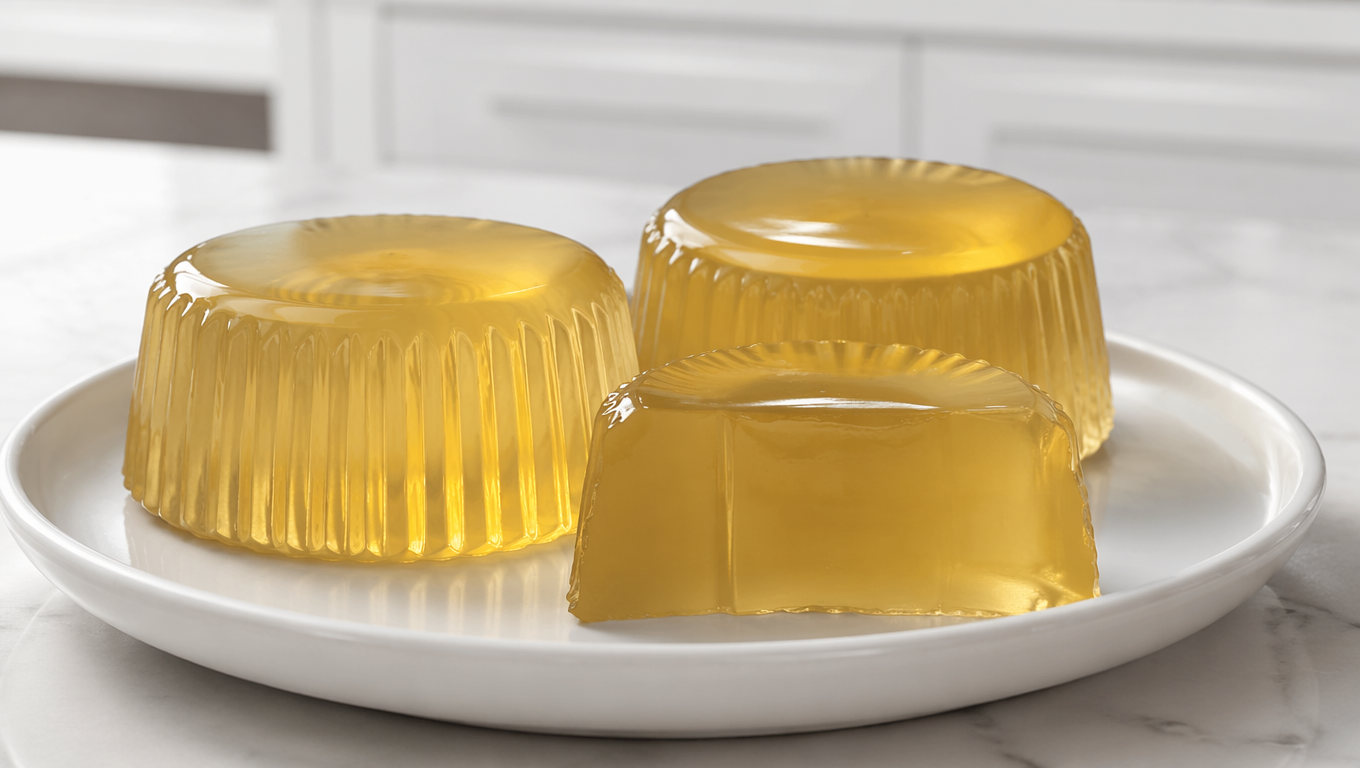
Bariatric Gelatin Recipe for Weight Loss
Ingredients
Equipment
Method
- Sprinkle gelatin over 1/4 cup cold water in a small bowl. Let sit 5 minutes to bloom.
- Heat the juice, tea, or flavored water in a saucepan until hot but not boiling.
- Pour the hot liquid over the bloomed gelatin and stir until fully dissolved and smooth.
- Whisk the protein powder with the remaining 1/4 cup cold water until smooth.
- Let the gelatin mixture cool 2–3 minutes, then slowly whisk in the protein slurry
- Stir in stevia and lemon juice if using.
- Pour into a muffin tin or small cups.
- Refrigerate 2–3 hours until fully set.
- Release with a warm knife and serve chilled.
Notes
- Always slurry the protein powder in cold water before adding it to warm liquid to prevent clumping.
- Do not freeze — freezing breaks the gel structure.
- Store in an airtight container in the fridge for up to 5 days.
─────────────────────────────
Disclaimer: This post is for informational purposes only and is not medical advice. Bariatric nutrition needs vary by surgery type, phase, and program. Always check with your bariatric team or registered dietitian before adding a new food or supplement to your plan.
About the Author
Jonas Mitchell is a recipe developer at RecipeValley, focused on creating simple, high-protein recipes that fit real weight-loss and post-surgery nutrition needs. Contact: contact@recipevalley.com