Gelatin vs. Collagen for Weight Loss: Which One to Use?
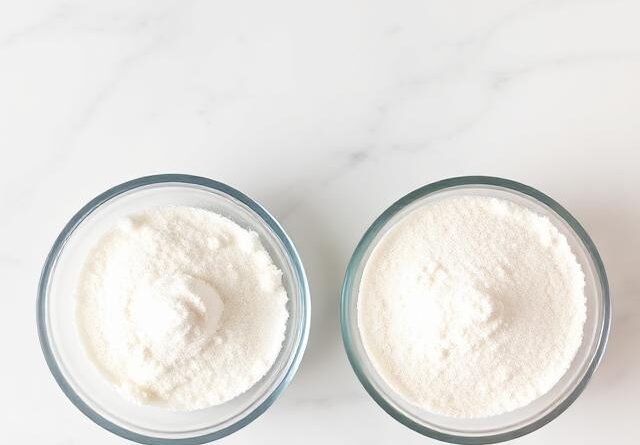
Gelatin and collagen show up in a lot of the same weight-loss content, and it’s easy to assume they’re interchangeable. Nutritionally, they’re nearly identical. The difference that actually matters for weight-loss recipes is a practical one, not a nutritional one: only gelatin sets into a firm gel when chilled, which is why it’s the ingredient behind the classic gelatin trick, while collagen peptides are built to dissolve invisibly into drinks instead.
Quick Summary
Gelatin and collagen are nutritionally almost identical: about 50 calories and 12 grams of protein per 2 tablespoons, with zero carbs and zero fat for both. The real difference is practical. Gelatin is a partially broken-down form of collagen that dissolves in hot liquid and sets into a gel when chilled, which is why it’s used in gelatin trick recipes and chilled weight-loss snacks. Collagen peptides are broken down further, dissolve in hot or cold liquid, and don’t gel, which makes them better suited for stirring into coffee, tea, or smoothies without changing the texture.
What’s the Actual Difference Between Gelatin and Collagen?
Collagen is the most abundant protein in the human body, found in skin, joints, bones, and connective tissue. Gelatin is what you get when collagen is broken down using heat, typically by boiling animal skin, bones, or connective tissue. In other words, gelatin is a cooked, partially degraded form of collagen — not a completely different substance.
Most collagen sold as a supplement is actually hydrolyzed collagen, also called collagen peptides, which has been broken down even further than gelatin into smaller chains. That extra processing step is what allows collagen peptides to dissolve completely in both hot and cold liquid, while gelatin generally needs heat to dissolve and will set into a gel once it cools.
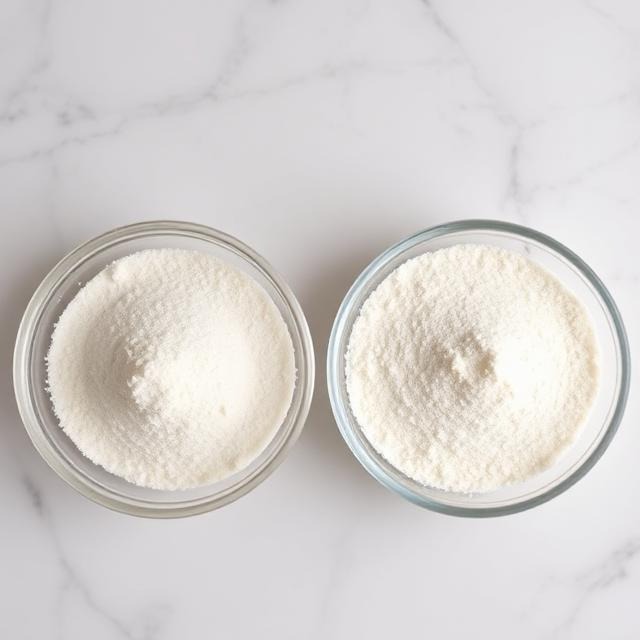
Gelatin vs. Collagen: Nutrition Comparison
Based on standard nutrition data for dried, unsweetened powder, the two are close to identical:
| Per 2 Tbsp (14g) | Collagen | Gelatin |
| Calories | ~50 | ~47 |
| Protein | ~12 g | ~12 g |
| Carbohydrates | 0 g | 0 g |
| Fat | 0 g | 0 g |
Both are close to pure protein, with glycine as the most abundant amino acid in each. Neither one is a complete protein on its own, since both are missing certain essential amino acids found in a wider variety of protein sources like meat, eggs, or dairy.
Gelatin vs. Collagen for Weight Loss: The Real Comparison
Since the nutrition is nearly the same, the real decision comes down to what you’re trying to make:
| Collagen (Peptides) | Gelatin | Why It Matters for Weight Loss Recipes | |
| Dissolves in | Hot or cold liquid | Hot liquid only | Collagen mixes into cold smoothies; gelatin needs heat first |
| Sets into a gel | No | Yes, when chilled | Only gelatin can form the cubes used in the gelatin trick |
| Texture in drinks | Invisible, no change | Thickens if chilled | Collagen is better for coffee or smoothies you drink warm or blended |
| Best weight-loss use | Stirred into drinks for a protein boost | Chilled snacks and the gelatin trick | Different formats, same basic protein content |
Which One Should You Use for the Gelatin Trick?
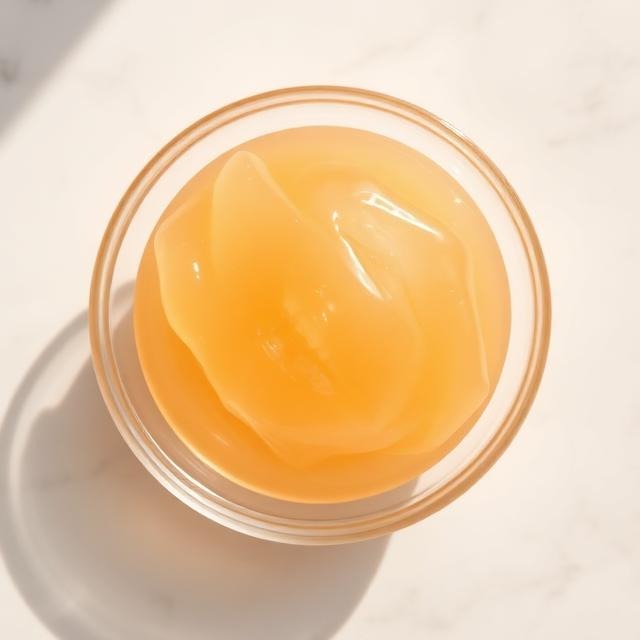
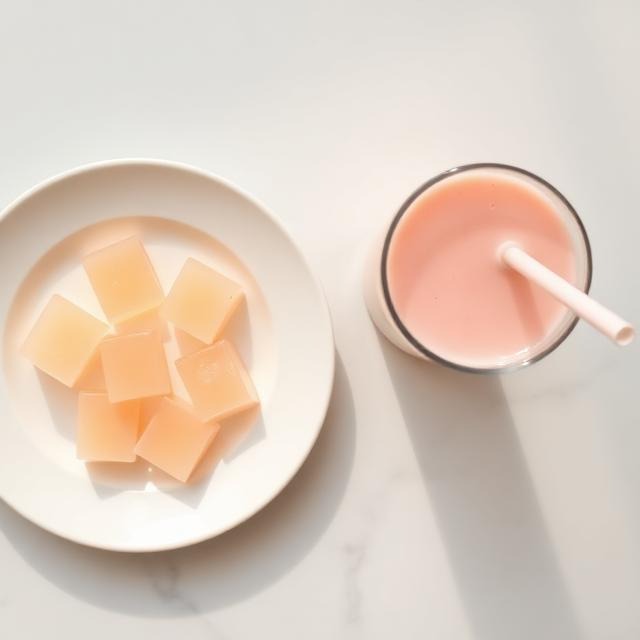
Gelatin. The entire premise of chilled gelatin weight loss recipes, including the pink gelatin trick and lemon or chia variations, depends on the mixture setting into a firm, jiggly texture. Collagen peptides won’t do this — they’ll dissolve into your liquid and add protein, but the mixture stays liquid, even after chilling. If a recipe calls for cutting into cubes, gelatin is the only one of the two that will work.
Which One Should You Use for Coffee, Tea, or Smoothies?
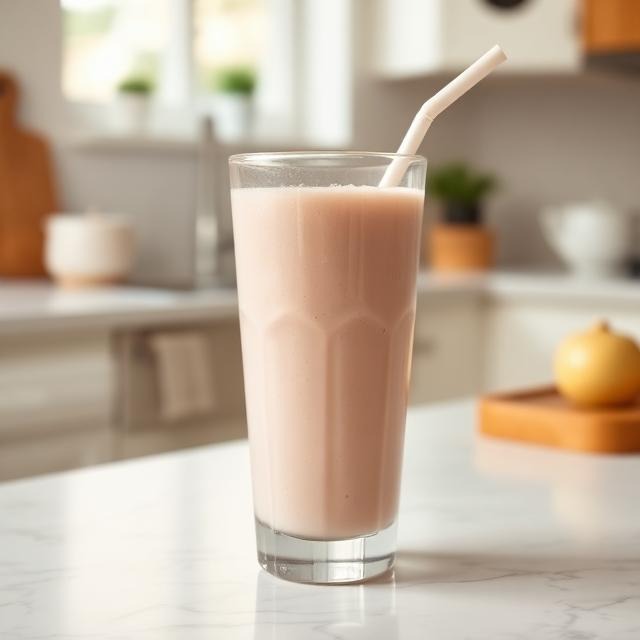
Collagen peptides. Since they dissolve completely in hot or cold liquid without changing the texture, they’re the better choice if you want to add protein to a drink without turning it into gelatin. This is the more common way collagen is used as a general weight-loss-supporting protein source, separate from the chilled gelatin recipes in this collection.
What They Have in Common
Because gelatin and collagen are so closely related, general nutrition research on one tends to apply loosely to the other. Areas where both have been studied, at least in a preliminary way, include skin hydration and elasticity, joint comfort, gut lining support, and bone density. The research in these areas is ongoing and often based on specific doses and formulations, so it’s worth treating any individual claim with some caution rather than assuming it applies at any amount or in every product.
For weight loss specifically, neither ingredient has a unique fat-burning effect. What both offer is a low-calorie, high-protein option that can support fullness and portion control as part of a broader eating pattern — the same modest mechanism behind every gelatin trick recipe in this collection.
Who Should Choose Gelatin
Gelatin makes more sense if you’re following any of the chilled, cube-style recipes in this collection, want an ingredient that’s cheap and available in most grocery stores, or prefer cooking with something that has a long culinary history outside of the supplement aisle. It’s also typically less expensive per serving than branded collagen powder.
Who Should Choose Collagen Peptides
Collagen peptides make more sense if your main goal is adding protein to drinks you already make, like coffee, tea, or a morning smoothie, without changing the texture. They’re more convenient for that specific use case, though they cost more per serving than plain gelatin and won’t work for any recipe that needs to set into a solid gel.
How Much Gelatin or Collagen Per Day?
There’s no official, universally agreed-upon daily amount for either. Most gelatin trick recipes use about 1 tablespoon (roughly 7 grams) per serving, once or twice a day. Collagen supplement labels typically suggest 1 to 2 scoops daily, often in the 10-to-20-gram range. Starting on the lower end and seeing how your body responds is a reasonable approach for either one.
Is Gelatin Bad for You?
For most healthy adults, plain unflavored gelatin in normal food amounts is considered safe. It’s an incomplete protein and provides no fiber, vitamins, or minerals in meaningful amounts, so it shouldn’t replace a varied diet. Large amounts can occasionally cause digestive discomfort in some people. As with collagen, if you have a specific health condition or allergy, check with a doctor before adding either one to your routine regularly.
Can You Substitute One for the Other?
Not directly, in most weight-loss recipes. If a recipe depends on the mixture setting into a gel, such as the cube-style gelatin trick recipes in this collection, collagen peptides won’t produce that result. If a recipe just needs a protein boost with no structural requirement, like a warm gelatin drink or a smoothie, either one can work, though gelatin will thicken slightly more than collagen once chilled.
What to Look For When Buying Either One
For gelatin, unflavored gelatin powder is the version used throughout this collection — avoid flavored gelatin dessert mixes, which contain added sugar and dye. For collagen, look for a plain, unflavored collagen peptide powder rather than a flavored or pre-sweetened blend, for the same reason: it keeps you in control of what actually goes into your recipe.
Frequently Asked Questions
Does gelatin have collagen in it?
Yes. Gelatin is made by partially breaking down collagen using heat, so it retains most of collagen’s amino acid profile, just in a different structural form.
Is gelatin the same as collagen?
Not exactly. They come from the same source and share a nearly identical nutrition profile, but gelatin is a cooked, partially degraded version of collagen, while collagen supplements are usually broken down even further into peptides.
Can I use gelatin instead of collagen in a recipe?
It depends on the recipe. For a drink with no gelling requirement, either works. For anything that needs to set into a firm texture, like gelatin trick cubes, you need gelatin specifically, since collagen peptides won’t gel.
Does jello have collagen?
Flavored, sweetened jello contains gelatin, which is derived from collagen, but it also contains added sugar, dye, and flavoring that plain gelatin doesn’t have. Unflavored gelatin is the closer match to pure collagen nutritionally.
Is hydrolyzed gelatin the same as collagen peptides?
They’re very similar and sometimes used interchangeably in labeling, though “collagen peptides” more commonly refers to the fully hydrolyzed form used in supplements, while “hydrolyzed gelatin” can refer to a range of processing levels.
Which is better for weight loss, gelatin or collagen?
Neither is inherently better — they’re nutritionally almost the same. The right choice depends on what you’re making: gelatin for chilled, gel-set snacks, collagen for drinks where you want protein without changing the texture. If you’re unsure which to buy first, gelatin is the more versatile starting point for anyone following the recipes in this collection, since it works for both the warm-drink and chilled-cube formats.
Are gelatin and collagen suitable for people with allergies?
Both are derived from animal connective tissue, with sources varying by brand. Anyone with a known allergy or dietary restriction related to the source animal should check the label before buying either one, and vegetarians or vegans should note that neither is plant-based — agar-agar is the common plant-based substitute for gelatin’s gelling properties, though it doesn’t have a direct collagen-based equivalent.
Related Recipes
More from the Weight Loss Recipes collection:
- Gelatin Weight Loss Recipe (Full Guide)
- The Gelatin Trick for Weight Loss
- Best Pink Gelatin Recipe for Weight Loss
- 3-Ingredient Gelatin Recipe for Weight Loss
- Chia Gelatin Weight Loss Recipe
Disclaimer: This article is for informational purposes only and is intended for general educational use. It is not medical advice, nutritional counseling, or a substitute for guidance from a doctor or registered dietitian. Neither gelatin nor collagen causes weight loss on its own; both are protein sources that may support a broader eating pattern. Individual nutrition needs vary based on health status, allergies, medications, and other factors that only a healthcare professional can properly assess. Always consult a healthcare professional before making changes to your diet or starting a new supplement, especially if you are pregnant, nursing, managing a chronic condition, or taking medication.
About the Author
Jonas Mitchell is a recipe developer at RecipeValley, focused on high-protein and weight-loss-friendly recipes that are simple to make at home. Every recipe is tested for taste and consistency before publishing. Jonas does not hold a clinical nutrition credential; health-related information in this article is compiled from publicly available nutrition data and general dietary guidance, and should not replace advice from a doctor or registered dietitian. Contact: contact@recipevalley.com