
Best Lemon Cheesecake Recipe: Silky, Never Cracked
My first lemon cheesecake came out of the oven looking perfect, and then split down the middle like a fault line while it cooled on the counter. I’d skipped the water bath because it seemed like an unnecessary extra step for a Tuesday. It was not, in fact, unnecessary.
So this recipe walks through exactly why that happens and how to avoid it, along with my real comparison of water bath versus no water bath, baked versus no-bake versions, and two genuinely different ways to work lemon curd into the dessert. Whether you’re making this for a special occasion or just have a craving, this version comes out smooth, creamy, and crack-free, the same lesson I learned the hard way with my vanilla cake.
Quick Summary
Here’s the short version: I use a graham cracker crust, a smooth lemon-infused cream cheese filling baked in a water bath, and a layer of tangy lemon curd on top. It takes about 30 minutes of active prep, an hour of baking, and at least 4 hours to chill before serving. Below you’ll find my water bath vs. no water bath comparison, a baked vs. no-bake comparison, and everything I’ve learned about why cheesecakes crack.
Recipe Snapshot
| Prep Time | Cook Time | Chill Time | Servings | Calories |
| 30 minutes | 60 minutes | 4 hours | 12 | 440 per serving |
What Is Lemon Cheesecake?
Lemon cheesecake is a baked custard-style dessert made from cream cheese, sugar, and eggs, flavored with fresh lemon zest and juice, set on a graham cracker crust. It’s typically finished with a layer of lemon curd, which adds a brighter, tangier top note than the filling alone. The combination of rich, dense cheesecake and sharp citrus is what sets it apart from a classic vanilla cheesecake.
Ingredients
Crust
- 1 ½ cups graham cracker crumbs
- ¼ cup granulated sugar
- 5 tablespoons unsalted butter, melted
Cheesecake Filling
- 24 oz (3 packages) full-fat brick cream cheese, softened to room temperature
- 1 cup granulated sugar
- 1 tablespoon lemon zest
- 3 large eggs, at room temperature
- ⅓ cup sour cream, at room temperature
- 3 tablespoons fresh lemon juice
- 1 teaspoon pure vanilla extract
Topping
- ¾ cup lemon curd, store-bought or homemade
- Whipped cream and lemon slices, for garnish (optional)

Tools You’ll Need
- 9-inch springform pan
- Heavy-duty aluminum foil
- Large roasting pan, for the water bath
- Electric hand mixer or stand mixer
- Offset spatula
How to Make Lemon Cheesecake, Step by Step
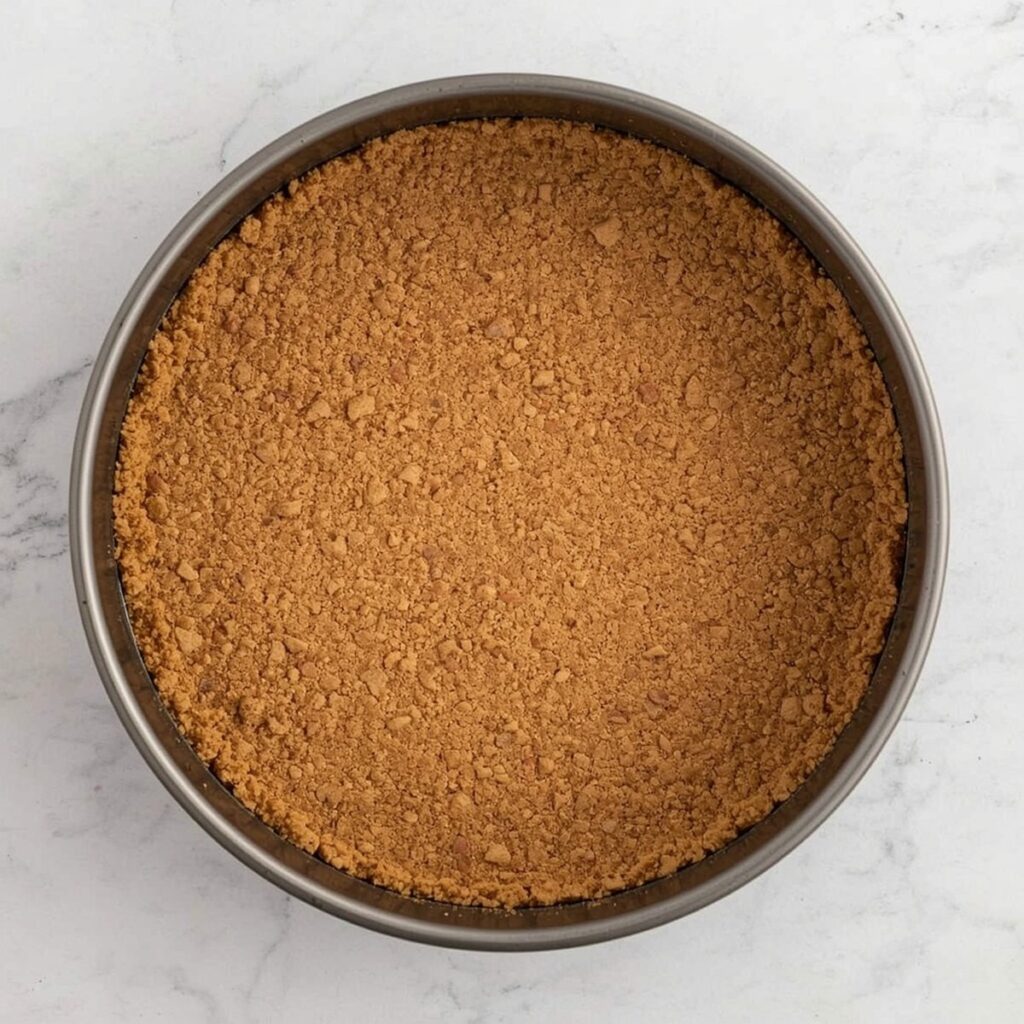
Here’s exactly how I build it, in the order that’s kept mine crack-free ever since.1. Make the crust. Preheat the oven to 350°F. Combine graham cracker crumbs, sugar, and melted butter, then press firmly into the bottom and slightly up the sides of a 9-inch springform pan. Bake for 10 minutes, then set aside to cool.
2. Infuse the sugar with lemon. Rub the lemon zest into the sugar with your fingertips until fragrant and slightly yellow — this releases far more lemon flavor than just adding zest straight into the batter.

3. Beat the cream cheese and lemon sugar together until completely smooth, about 2 minutes. Add the eggs one at a time, beating just until combined after each addition — do not overbeat.
4. Mix in the sour cream, lemon juice, and vanilla on low speed until just combined. Pour the batter into the cooled crust.

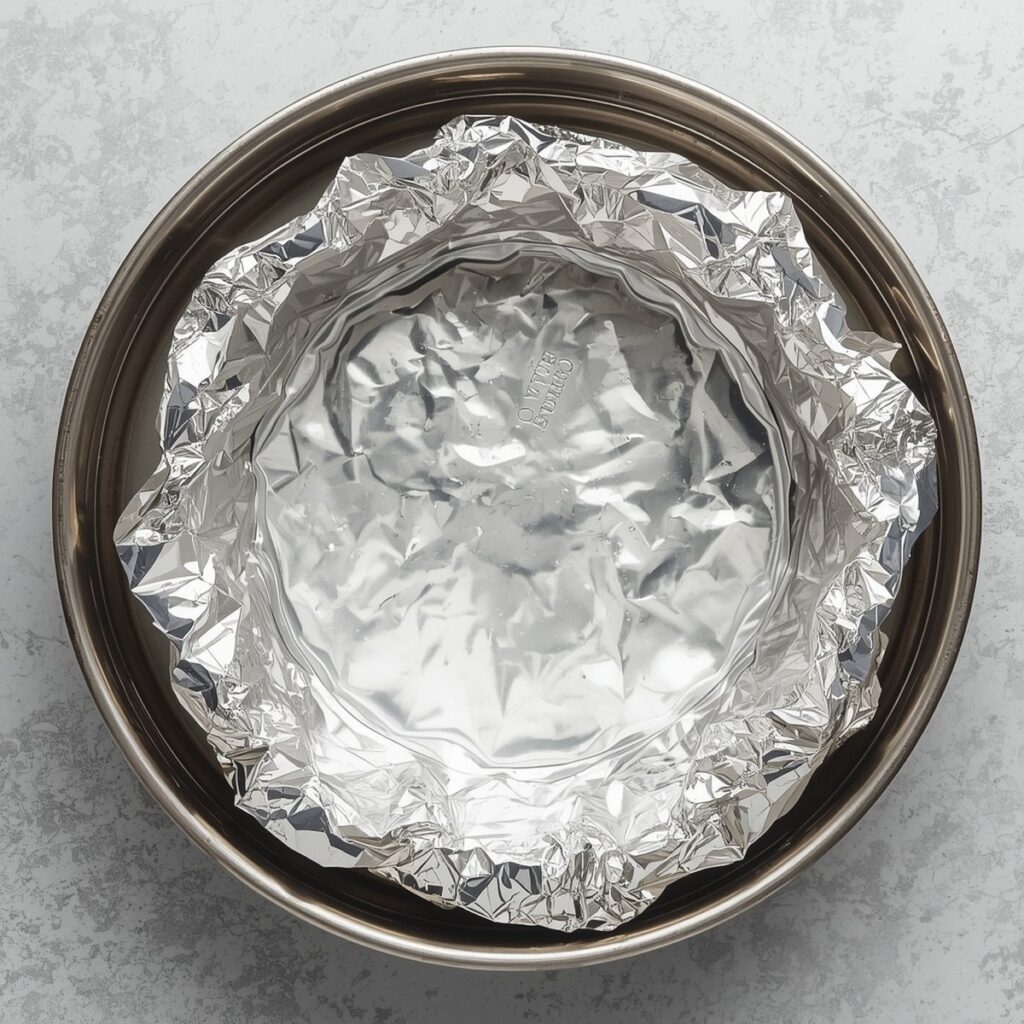
5. Wrap the pan in two layers of heavy-duty foil, place it inside a large roasting pan, and pour hot water into the roasting pan until it reaches about 1 inch up the sides of the springform pan.
6. Bake for 55-70 minutes, until the edges are set and the center still jiggles slightly when the pan is nudged. Turn off the oven, crack the door open, and let the cheesecake sit in the cooling oven for 1 hour before removing.
7. Cool completely at room temperature, then spread the lemon curd evenly over the top. Refrigerate for at least 4 hours, or overnight.
The top should look glossy and level, with the curd sitting in one smooth layer, no cracks running through the surface underneath.

8. Slice and serve, garnished with whipped cream and lemon slices if desired.
Water Bath vs. No Water Bath
This is the single biggest source of disagreement across lemon cheesecake recipes — some insist on a water bath, others skip it entirely. Here’s the real tradeoff:
| Method | How It Works | Best For |
| Water Bath (this recipe) | Steam from the hot water creates a humid environment that bakes the cheesecake gently and evenly | The most reliable way to avoid cracking, especially for beginners |
| No Water Bath | Bakes directly in dry oven heat; relies on a lower temperature and careful handling to prevent cracks | Simpler cleanup and setup, but requires more precision to avoid a dry or cracked top |
If you skip the water bath, baking at a slightly lower temperature and avoiding any sudden temperature changes becomes more important, since there’s no steam buffering the heat. A water bath isn’t strictly required, but it’s the more forgiving method if this is your first cheesecake.
Baked vs. No-Bake Lemon Cheesecake
| Style | Texture | Time Needed |
| Baked (this recipe) | Dense, rich, custard-like | About 1 hour baking plus 4+ hours chilling |
| No-Bake | Lighter, mousse-like, made with whipped cream folded into the filling | No oven time, but needs 6-8 hours or overnight to set |
A no bake lemon cheesecake recipe skips the eggs and oven entirely, instead setting the filling by folding whipped cream into a sweetened cream cheese mixture and chilling it until firm. It has a noticeably lighter, fluffier texture than the dense, custardy result of a baked version — neither is more correct, they’re genuinely different styles of the same dessert.
No-Bake Version: Ingredients and Steps
To make this a no cook lemon cheesecake recipe using the same crust above:
- 24 oz full-fat cream cheese, softened
- 1 ½ cups powdered sugar
- 3 tablespoons fresh lemon juice
- 1 tablespoon lemon zest
- 1 teaspoon vanilla extract
- ¾ cup heavy whipping cream, chilled
1. Press the crust mixture into the springform pan as directed above, then chill it in the freezer for 15 minutes instead of baking it.
2. Beat the softened cream cheese until smooth, then beat in the powdered sugar, lemon juice, lemon zest, and vanilla until fully combined.
3. In a separate bowl, whip the chilled heavy cream to stiff peaks.
4. Gently fold the whipped cream into the cream cheese mixture with a rubber spatula until just combined — do not use the mixer, or you’ll deflate the whipped cream.
5. Spread the filling into the chilled crust, cover, and refrigerate for at least 6-8 hours, or overnight, until fully set.
6. Top with lemon curd just before serving, following the same method as the baked version.
Lemon Curd: Topping vs. Folded Into the Batter
Most recipes spread lemon curd over the finished cheesecake as a topping. A less common but genuinely different approach folds the curd directly into the batter before baking, infusing lemon flavor through the entire filling rather than concentrating it on top.
| Method | Flavor Result | Best For |
| Curd as Topping (this recipe) | A distinct tangy layer on top, milder lemon flavor throughout the filling | A classic look with a clear curd layer |
| Curd Folded Into Batter | Lemon flavor distributed evenly through every bite | A more intensely lemon-flavored cheesecake throughout |
If you’d like to try the folded-in method, cool your lemon curd completely, then drizzle it into the batter after the eggs are incorporated and swirl gently with a spoon before pouring into the crust — don’t fully mix, or you’ll lose the marbled effect.
Why Did My Cheesecake Crack?
Cracking is the most common cheesecake complaint, and it’s almost always one of these:
- Overbeating the batter. Too much air incorporated into the eggs causes the cheesecake to puff up while baking, then collapse and crack as it cools. Beat just until each addition is combined.
- Skipping the water bath. Dry oven heat bakes the edges much faster than the center, and that uneven cooking is a leading cause of surface cracks.
- Opening the oven door during baking. Sudden temperature drops shock the cheesecake and can cause it to crack or sink.
- Cooling too quickly. Going straight from a hot oven to the fridge causes a sharp temperature change. Let the cheesecake cool gradually — first in the turned-off oven with the door cracked, then at room temperature, before refrigerating.
- Overbaking. The center should still jiggle slightly when the pan is nudged. It will continue to set as it cools; baking until it’s completely firm in the oven usually means it’s overdone.
Variations to Try
Lemon Blueberry Cheesecake
Swirl ½ cup of blueberry sauce into the batter before baking, or spoon fresh blueberries over the lemon curd topping.
Lemon Raspberry Cheesecake
Follow the same method, substituting a raspberry sauce swirl or fresh raspberries as the topping alongside or instead of the lemon curd.
Lemon Ricotta Cheesecake
For a lighter, slightly grainier texture, substitute half of the cream cheese with whole-milk ricotta that’s been well-drained, keeping the rest of the recipe the same.
Mini Lemon Cheesecakes
For individual portions, divide the crust and batter among a lined muffin tin instead of a springform pan, and reduce the bake time to 18-20 minutes.
Lemon Cheesecake Bars
Press the crust and pour the filling into a 9×13-inch pan instead of a springform pan, and reduce the bake time to about 35-40 minutes.
Common Mistakes to Avoid
- Using cold cream cheese or eggs. Cold ingredients don’t blend smoothly and can leave lumps in the batter.
- Using low-fat or spreadable cream cheese. Full-fat, brick-style cream cheese is what gives cheesecake its structure — tub-style versions have too much water content.
- Adding lemon curd while the cheesecake is still warm. The curd can melt into the filling instead of sitting as a distinct layer. Wait until the cheesecake has cooled completely.
- Not wrapping the water bath foil tightly enough. Any gaps let water seep into the crust and turn it soggy.
Storage
I keep mine covered in the refrigerator for up to 5 days. To freeze it, wrap the cooled cheesecake (without the curd topping) tightly in plastic wrap and then foil, and it’ll keep for up to 3 months. Thaw overnight in the refrigerator and add the curd topping right before serving. Sliced clean, it should hold a straight edge with no crack running through the top, just a smooth, pale surface with that glossy layer of curd sitting on it.
Nutrition (per serving)
| Nutrient | Amount |
| Calories | 440 kcal |
| Protein | 7g |
| Carbohydrates | 34g |
| Fat | 31g |
| Sugar | 26g |
| Sodium | 320mg |
Nutrition values are estimates and will vary based on specific ingredients and portion sizes used.
Frequently Asked Questions
Do I need a water bath for lemon cheesecake?
It’s not strictly required, but in my experience it’s the most reliable way to prevent cracking, especially if this is your first time baking a cheesecake. See the water bath vs. no water bath comparison above for the full tradeoff.
How do I make an easy lemon cheesecake recipe without a springform pan?
A 9×13-inch pan works well as a substitute — follow the lemon cheesecake bars variation above, which uses standard bakeware instead of a springform pan.
Can I use bottled lemon juice instead of fresh?
Fresh lemon juice is recommended for the brightest flavor, since bottled juice tends to taste flatter and more one-dimensional, but bottled juice will still work in a pinch.
Why is my cheesecake filling lumpy?
This usually means the cream cheese wasn’t fully softened before mixing. Let it sit at room temperature for at least an hour, and beat it completely smooth before adding any other ingredients.
Can I make this a simple lemon cheesecake recipe without the curd topping?
Yes — the curd adds extra tang and shine, but the cheesecake filling itself is already fully flavored with lemon zest and juice, so it’s completely fine to serve without the topping, or with fresh berries instead.

Related Recipes

Lemon Cheesecake
Ingredients
Equipment
Method
- Bake the crust at 350°F for 10 minutes, then cool.
- Rub lemon zest into the sugar until fragrant.
- Beat cream cheese and lemon sugar smooth, then add eggs one at a time.
- Mix in sour cream, lemon juice, and vanilla. Pour over the crust.
- Wrap the pan in foil, place in a water bath, and bake 55-70 minutes.
- Cool in the oven with the door cracked for 1 hour, then cool completely.
- Top with lemon curd and refrigerate at least 4 hours before serving.
Notes
- A water bath is the most reliable way to prevent cracking.
- Wait until the cheesecake is fully cooled before adding the curd topping.
Disclaimer: This recipe is intended for general home baking guidance. This dessert is high in sugar and dairy, and citrus is a commonly reported trigger for acid reflux — those managing GERD or reflux should adjust the recipe or consult a doctor or registered dietitian if needed. This article is for informational purposes only and isn’t a substitute for personalized advice from a doctor or registered dietitian.
Jonas Mitchell bakes cheesecakes for RecipeValley more often than his kitchen can really justify. He holds no clinical nutrition credential, so treat this as a tested recipe, not medical or dietary advice.