30 Best Egg Recipes for Breakfast (High-Protein Picks)
I keep a running list of egg recipes for breakfast on my phone, because the moment I run out of ideas, I default to the same scramble every single morning — and eggs deserve better than that.
Eggs are one of the few breakfast ingredients that genuinely work in a dozen different directions: quick and basic, high-protein and meal-prepped, dressed up for a weekend brunch, or stretched into something heartier for dinner. This guide organizes egg recipes for breakfast by what you’re actually looking for — technique, protein, or just something new — plus a direct comparison of every basic egg-cooking method so you’re not guessing at times and textures. It’s built for anyone typing in good egg recipes for breakfast and getting overwhelmed by scattered results.
Quick Summary
Egg recipes for breakfast fall into a few clear categories: quick basic techniques (boiled, scrambled, poached, fried), high-protein and meal-prep-friendly options, and flavor-forward variations like avocado-egg combos or Indian-style spiced eggs. This applies whether you’re specifically after egg breakfast recipes for weight loss (lower-calorie methods, smaller portions) or just good egg recipes for breakfast in general. A single large egg has about 6g of protein and 70 calories, and the cooking method changes texture and prep time far more than it changes nutrition. Below: a full method comparison table, protein-forward picks, and answers to the most common egg-breakfast questions.
Egg-Cooking Method Comparison
Every egg recipes for breakfast list eventually comes back to the same basic techniques, but almost nowhere are they actually compared side by side. Here’s how the core methods stack up:
| Method | Time | Texture | Protein per Egg | Best For |
| Hard-Boiled | 10-12 min | Firm, sliceable | 6g | Meal prep, snacking, egg salad |
| Soft-Boiled | 6-7 min | Runny to jammy yolk | 6g | Toast, ramen, grain bowls |
| Scrambled | 3-5 min | Soft, creamy curds | 6g | Fastest everyday breakfast |
| Poached | 3-4 min | Silky white, runny yolk | 6g | Toast, breakfast bowls, eggs benedict |
| Fried | 2-4 min | Crisp edges, set or runny yolk | 6g | Sandwiches, rice bowls, quick plates |
| Baked/Shirred | 12-15 min | Custardy, gently set | 6g | Individual ramekins, brunch spreads |

Protein stays essentially the same across every method — the real differences are time and texture, so pick based on what you’re serving it with, not which one is “healthiest.”
Quick and Basic Egg Recipes for Breakfast
These are the techniques worth actually mastering, since almost every other egg recipe for breakfast builds on one of them.
Scrambled Eggs: Whisk eggs with a splash of milk or water, cook low and slow, stirring gently, until just set. The single fastest weekday option.
Soft-Boiled or Hard-Boiled Eggs: Lower eggs into simmering water, time based on the doneness you want, then transfer to an ice bath immediately to stop the cooking. For a foolproof, hands-off version, our Instant Pot Hard Boiled Eggs uses the 5-5-5 method for perfectly peelable eggs every time.

Poached Eggs: Simmer water with a splash of vinegar, create a gentle whirlpool, and slide in a cracked egg. Takes practice, but it’s one of the most versatile techniques for dressing up toast or a grain bowl.
Fried Eggs: Butter or oil in a hot pan, egg cracked in gently, cooked to your preferred yolk doneness. Best for sandwiches and quick plates.
High-Protein and Healthy Egg Recipes for Breakfast
If you’re after healthy eggs for breakfast recipes specifically for protein, these are the picks worth building your routine around.
Our Egg Bites Recipe blends eggs with cottage cheese and bakes them in a water bath for a soft, custardy texture close to the Starbucks original, at around 8g of protein per bite. For a version mixed straight into scrambled eggs rather than baked, Cottage Cheese Eggs folds the same protein-rich cottage cheese directly into the pan for a creamier, higher-protein scramble.

For healthy recipes for eggs for breakfast beyond protein content, keep the cooking method simple (poached, boiled, or lightly scrambled) and build the healthy factor into what surrounds the eggs — vegetables, whole grains, or avocado — rather than the eggs themselves, since the eggs are already a nutritionally solid base.
Healthy Scrambled Egg Recipes for Breakfast
Skip the extra butter and cream and use a splash of water instead of milk — it steams the eggs slightly as they cook, keeping them just as fluffy with less added fat. Fold in spinach, tomatoes, or mushrooms in the last minute of cooking for extra volume without extra effort.
Avocado and Egg Recipes for Breakfast
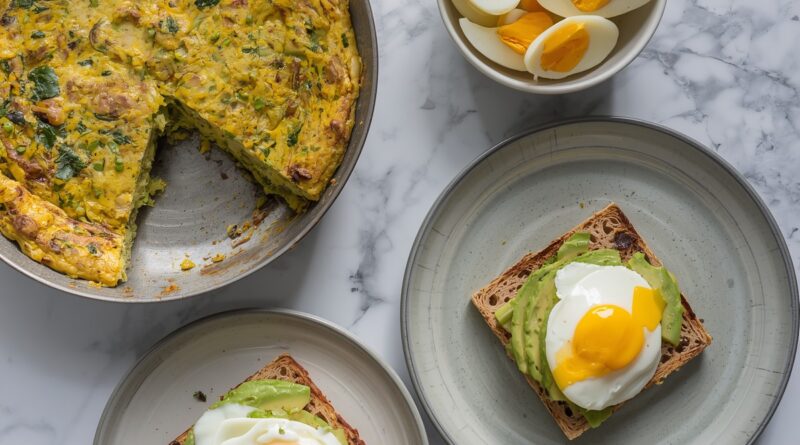
This combination is popular for a reason: the creaminess of avocado pairs naturally with almost any egg-cooking method. Mash avocado onto toast, top with a soft-boiled or poached egg, and finish with flaky salt, chili flakes, and a squeeze of lime. For a heartier version, layer sliced avocado into a breakfast bowl with scrambled eggs, black beans, and salsa.
Egg White Recipes for Breakfast
Use 2 egg whites per 1 whole egg you’d normally use to cut cholesterol and fat while keeping most of the protein — a large egg white has about 4g of protein and 17 calories, versus 6g and 70 calories for a whole egg. Egg whites work well scrambled, in an omelette, or baked into egg white bites the same way our Egg Bites Recipe is built, just using whites instead of whole eggs.

For recipes for egg whites for breakfast that don’t feel bland, lean on seasoning and mix-ins harder than you would with whole eggs, since egg whites carry less natural flavor on their own — herbs, hot sauce, sharp cheese, and roasted vegetables all help.
Egg Recipes for Breakfast, Indian-Style
These typically lean on bold spice rather than heavy dairy. A simple masala scramble — onion, tomato, green chili, turmeric, and cumin cooked down before the eggs go in — turns a plain scramble into something with real depth. Egg curry, made with a similar onion-tomato base simmered longer and served over hard-boiled eggs, works well for a heartier breakfast or brunch.
Recipes for Breakfast Without Eggs
Not every morning calls for eggs, and recipes for breakfast with eggs aren’t the only satisfying option. For recipes for breakfast without eggs, cottage cheese-based options work as a similar protein swap — try Cottage Cheese Pancakes or plain Cottage Cheese Recipe ideas for a protein-forward breakfast that skips eggs entirely.
Boiled Egg Recipes for Breakfast
Timing is everything here. 6 minutes gives a runny yolk, 6-7 minutes a jammy one, and 10-12 minutes a fully hard-boiled egg. Our Instant Pot Hard Boiled Eggs guide breaks this down further with an egg-size timing table and a high-altitude adjustment table, so you get a consistent result regardless of your kitchen setup.
Meal-Prep Egg Recipes for Breakfast
If mornings are the problem more than eggs themselves, these solve that directly. A batch of hard-boiled eggs, egg bites, or a scrambled-egg-and-cottage-cheese mix keeps well in the fridge for several days, so the actual “cooking” happens once a week instead of every morning.

- Hard-boiled eggs keep up to a week refrigerated and work in salads, snacks, or a quick grab-and-go breakfast with fruit
- Egg bites freeze well in a single layer, then reheat in under a minute — the most portable of the three
- Cottage cheese eggs are best made fresh but come together in under 5 minutes, so “meal prep” here really just means keeping the ingredients on hand
Weekend Brunch-Style Egg Recipes for Breakfast
When there’s more time on a Saturday or Sunday morning, things can lean more elaborate. Baked or shirred eggs in a ramekin with a splash of cream and fresh herbs feel special without much active effort, since the oven does most of the work. A simple frittata — whisked eggs poured over sautéed vegetables and finished in the oven — feeds a crowd from one pan and holds up well as leftovers the next day too.
Frittatas and Quiches
A frittata is essentially a crustless, stovetop-to-oven omelette built to feed several people at once. Sauté whatever vegetables you have on hand, pour beaten eggs over top, cook briefly on the stove to set the bottom, then finish under the broiler or in the oven until the center is just set. A quiche follows the same basic egg-and-filling logic but bakes inside a pie crust, giving it a firmer, more custardy result that holds its shape when sliced.

Eggs Benedict and Hollandaise
Eggs Benedict — a poached egg and hollandaise sauce over a toasted English muffin — looks restaurant-level but comes down to two techniques already covered above: poaching an egg and whisking a butter-and-yolk sauce until it emulsifies. A blender hollandaise (egg yolks, lemon juice, and hot melted butter blended together) is far more forgiving than the classic double-boiler method and takes about five minutes.
Egg Recipes for Snacks and Make-Ahead Bites
Not every egg recipe for breakfast has to be eaten at breakfast. A few egg dishes are just as useful as make-ahead snacks or party food.
- Egg salad: chop hard-boiled eggs, mix with a creamy binder, herbs, and a little acid (lemon juice or vinegar) for brightness — good on its own, in a sandwich, or scooped with crackers
- Deviled eggs: halve hard-boiled eggs, mash the yolks with a creamy binder and a touch of mustard, then pipe back into the whites — a classic that keeps well for a few hours at room temperature for a gathering
- Pickled eggs: hard-boiled eggs steeped in a vinegar brine for a few days, good for a tangy protein snack that keeps for weeks refrigerated
Egg Recipes for Dinner
Egg recipes for breakfast don’t have to stay confined to the morning. Fried rice is one of the easiest ways to use eggs at dinner — scramble eggs directly into the pan with day-old rice and whatever vegetables need using up, for a fast, protein-forward meal. A fried or soft-boiled egg on top of a grain bowl or stir-fry adds richness and protein to what would otherwise be a lighter dinner.
Nutrition (Per Large Egg)
| Calories | Protein | Fat | Carbs |
| 70 kcal | 6g | 5g | 0.5g |

Frequently Asked Questions
What is the healthiest way to cook eggs for breakfast?
Poached, boiled, or lightly scrambled with minimal added fat are the lowest-calorie methods, since they don’t require extra butter or oil the way frying does. Nutritionally, the egg itself is nearly identical across every cooking method — the difference comes from what you cook it in.
How many eggs should you eat for breakfast?
Most healthy adults can eat 1-3 eggs at breakfast without concern, and current dietary guidance no longer places a strict daily cap on eggs for most people. If you have a specific cholesterol or heart-health condition, check with your doctor about a personal limit.
What egg recipe has the most protein?
Egg bites made with cottage cheese and egg white-based recipes tend to have the highest protein-to-calorie ratio, since cottage cheese adds protein without much added fat, and egg whites concentrate protein with less fat than a whole egg.
Can you eat eggs every day for breakfast?
Yes, for most healthy adults, daily eggs are considered safe as part of a balanced diet. Varying the cooking method and what you pair them with helps keep a daily egg habit from feeling repetitive.
What’s a good egg recipe for breakfast if I’m short on time?
Scrambled eggs are the fastest from start to finish, but a batch of Egg Bites or Instant Pot Hard Boiled Eggs made ahead on the weekend gives you a grab-and-go option all week without any morning cooking at all.
Are egg white recipes for breakfast healthier than whole eggs?
They’re lower in calories and fat, but whole eggs contain nutrients concentrated in the yolk (vitamin D, choline, and most of the egg’s vitamin A) that egg whites lack. Neither is strictly “healthier” — it depends on what you’re optimizing for.
More Egg Recipes
This post is intended for general home cooking guidance. Egg dishes should reach a safe internal temperature and be refrigerated promptly after cooling — when in doubt, discard rather than risk it.
Jonas Mitchell cooks through a lot of egg recipes for RecipeValley, testing what actually holds up on a weekday morning. He has no formal nutrition credential, so nothing here replaces advice from a doctor or registered dietitian.
Pingback: How to Poach an Egg : Runny Yolk, Every Single Time
Pingback: Egg White Wraps Recipe: Easy High-Protein Breakfast
Pingback: Best Creamy Buldak Ramen Recipe in 15 Minutes (No Scramble Egg)
Pingback: Puff Pastry Breakfast Recipes: 7 Easy Sweet & Savory Ideas