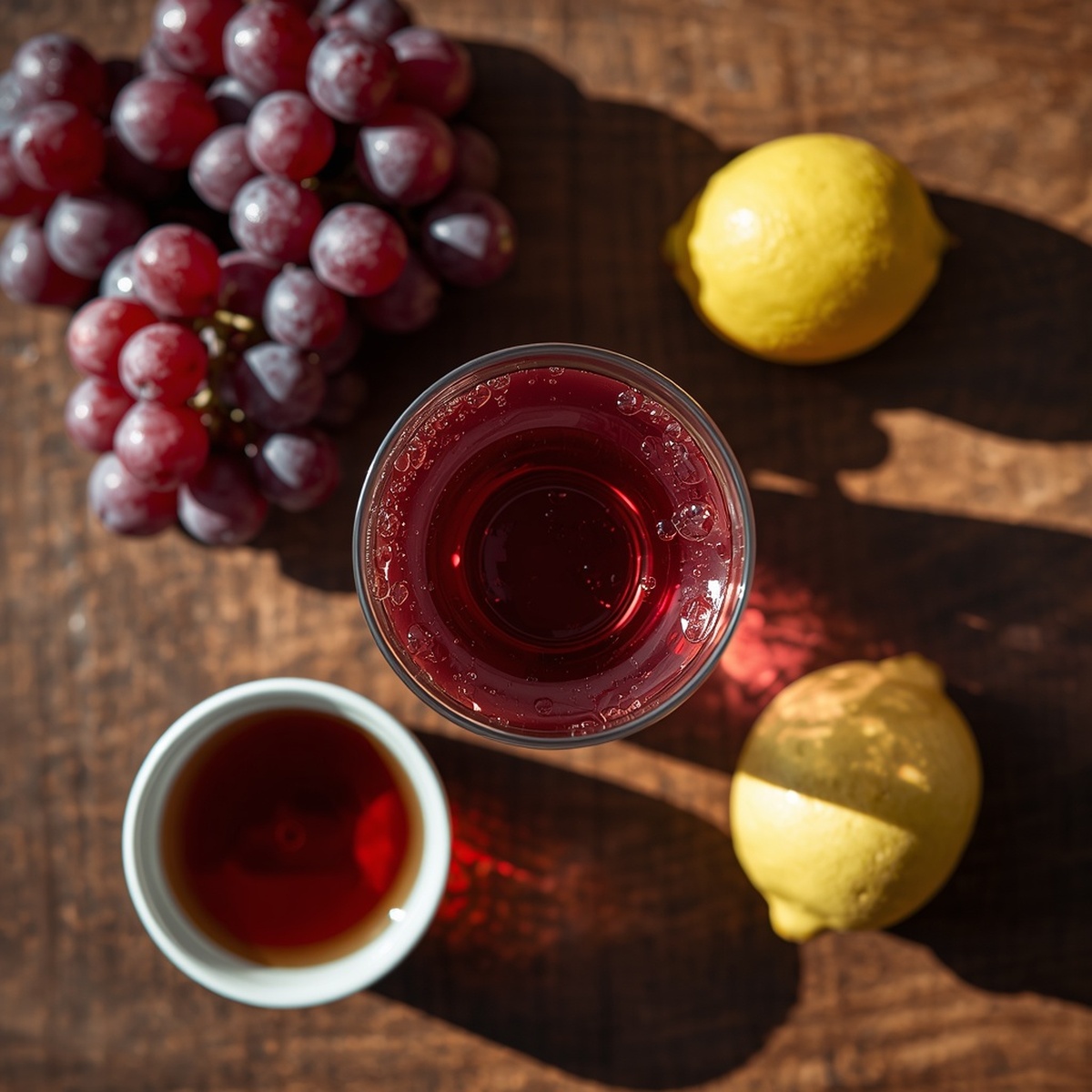
I Finally Made a Non Alcoholic Wine I’d Actually Serve Again
Non alcoholic wine confused me for a long time, mostly because the bottle at the store and the thing I actually wanted at dinner weren’t the same thing. I tried a few dealcoholized bottles, found them hit-or-miss and pricier than I expected, and eventually just started building my own version at home with grape juice and a few real techniques borrowed from actual wine-making — tannin, acidity, a bit of body. It’s not a dupe for a $30 bottle, but it’s genuinely good, and it takes ten minutes.
This non-alcoholic wine guide covers both sides: what it actually is when you buy it, and how to make a real one yourself. Is there non alcoholic wine worth drinking? Genuinely, yes — you just need to know which kind you’re getting.
Quick Summary
Non alcoholic wine comes in two real categories: dealcoholized wine (real wine with the alcohol removed, usually under 0.5% ABV) and grape-juice-based wine alternatives (never fermented, 100% alcohol-free). Store-bought dealcoholized bottles range from decent to disappointing depending on the brand. Below: what is non alcoholic wine made of, how the two categories actually differ, and a homemade grape-juice wine you can make tonight, plus mulled and spiced variations.
What Is Non Alcoholic Wine?
What is non alcoholic wine, exactly? It’s a wine-style drink (sometimes just called non alcohol wine) built to contain little to no alcohol, and it comes from two genuinely different processes, not one. A good non alcoholic wine, by either method, should still have real acidity and some body to it — not just taste like flat grape soda.
Dealcoholized Wine vs. Grape-Juice-Based Wine
| Dealcoholized Wine | Grape-Juice-Based Wine | |
| How it’s made | Real wine, fermented, then alcohol removed (reverse osmosis or vacuum distillation) | Grape juice, sometimes with tannin, acid, or spices added — never fermented |
| Alcohol content | Usually under 0.5% ABV, not always 0.0% | Genuinely 0.0% — no trace at all |
| Flavor | Closer to real wine, but often thinner-bodied and pricier | Sweeter, simpler, more like a crafted grape drink than wine |
| Best for | People who want the closest possible wine substitute | Anyone who wants zero trace alcohol, pregnancy, or a quick homemade option |
Does non alcoholic wine have alcohol at all? If it’s the dealcoholized kind, usually a trace amount — legally under 0.5% ABV in most countries. If it’s grape-juice-based, no, genuinely zero. Worth knowing if you’re avoiding alcohol completely rather than just cutting back.
Non Alcoholic Red, White, and Sparkling Wine
Non alcoholic red wine and white wine non alcoholic versions both exist as dealcoholized bottles, and the same red-wine-vs-white-wine differences carry over: reds lean more tannic, whites lean brighter and more acidic — a non alcoholic white wine is usually the easier one to get right. Red wine non alcoholic bottles are generally harder to get right than whites, since red wine leans more on alcohol for body — the best non alcoholic red wine options tend to compensate with extra tannin or oak aging.
Non alcoholic sparkling wine and sparkling wine non alcoholic (same thing, different word order) tend to fare best in blind tastings, since natural bubbles and acidity mask the thinness that alcohol removal can leave behind — the same goes for non alcoholic sparkling rose wine. If you’re shopping non alcoholic wine brands rather than making your own, sparkling is usually the safest first bottle to try, and non alcoholic red wines as a category have improved a lot in the last few years. For a homemade non alcoholic wine drinks option, sparkling grape juice with the tea-and-vinegar trick below gets you most of the way there.
How to Make Non Alcoholic Wine at Home
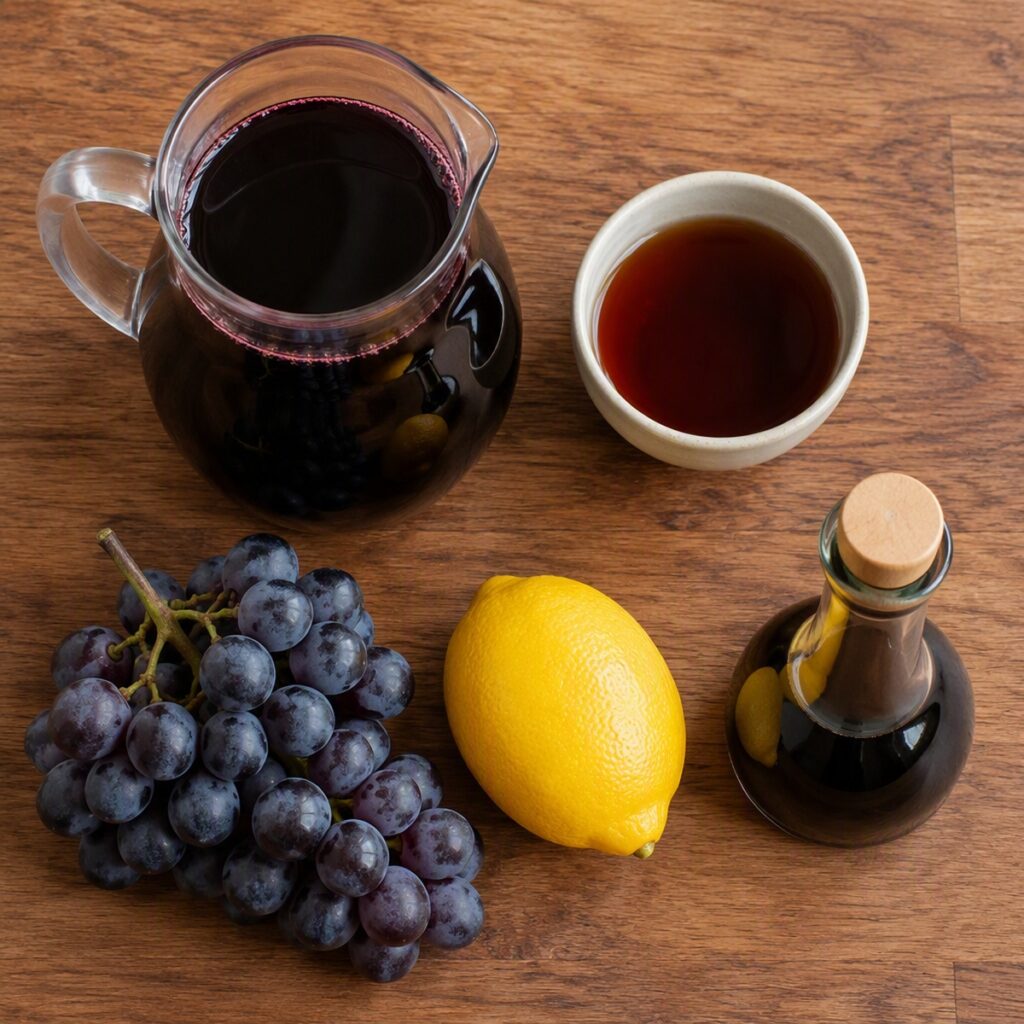
You don’t need specialized equipment to make a decent version at home — just grape juice and a few ingredients that recreate the tannin and acidity real wine gets from grape skins and aging.
- 2 cups unsweetened purple grape juice
- 1/4 cup brewed black tea, cooled (this is where the tannin comes from)
- 1 tbsp fresh lemon juice
- 1 tsp balsamic vinegar
1. Combine the grape juice, cooled tea, lemon juice, and balsamic vinegar in a pitcher and stir.
2. Chill for at least an hour so the flavors meld together.
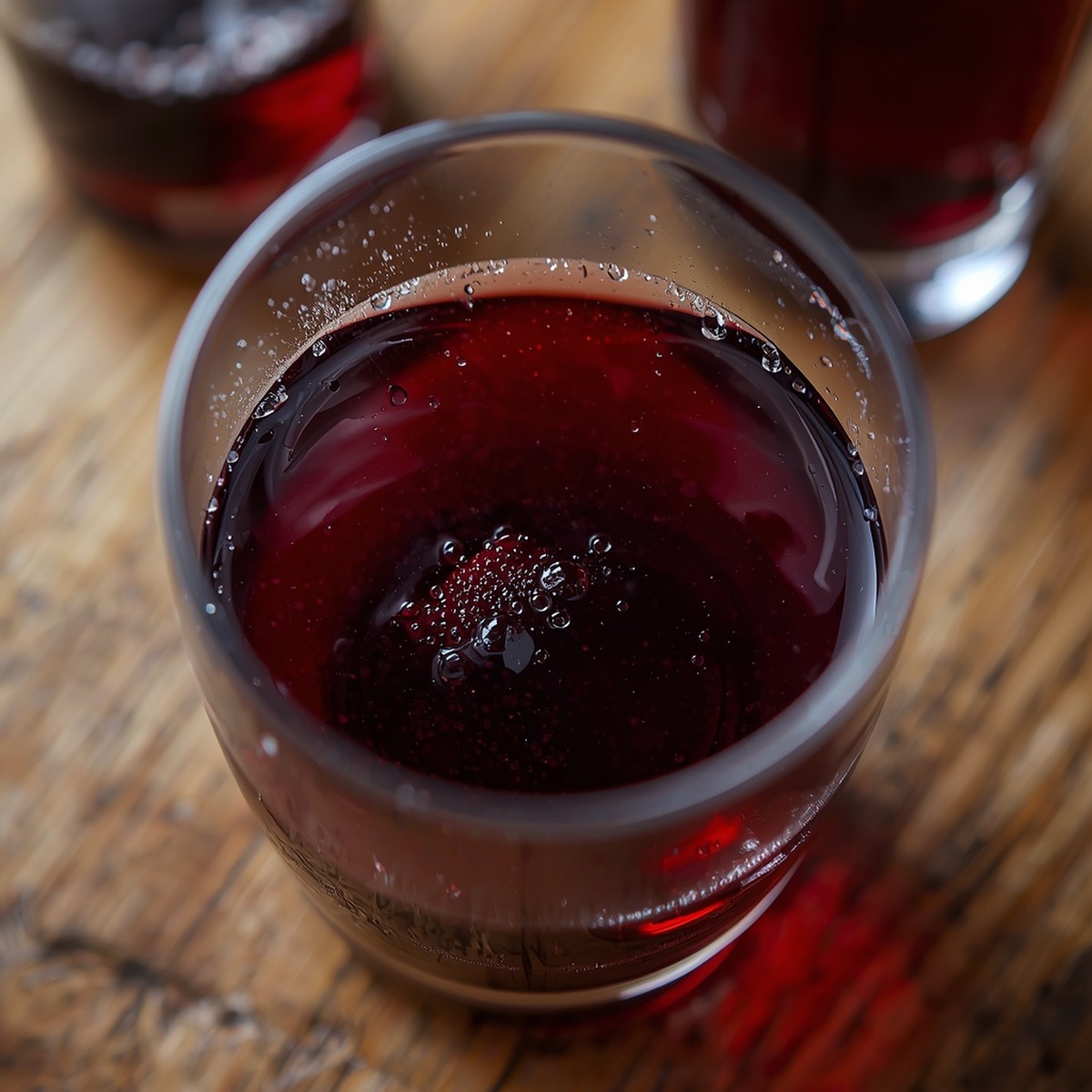
3. Serve in a wine glass, slightly chilled. Taste and adjust — more tea for a drier feel, more lemon for brightness.
The tea is doing the heavy lifting here. Real wine’s structure comes largely from tannin, and black tea is the easiest way to fake that at home without buying anything specialty.
Non Alcoholic Mulled Wine
- 4 cups purple grape juice
- 1/2 cup brewed black tea
- 1 orange, sliced
- 2 cinnamon sticks
- 4 whole cloves
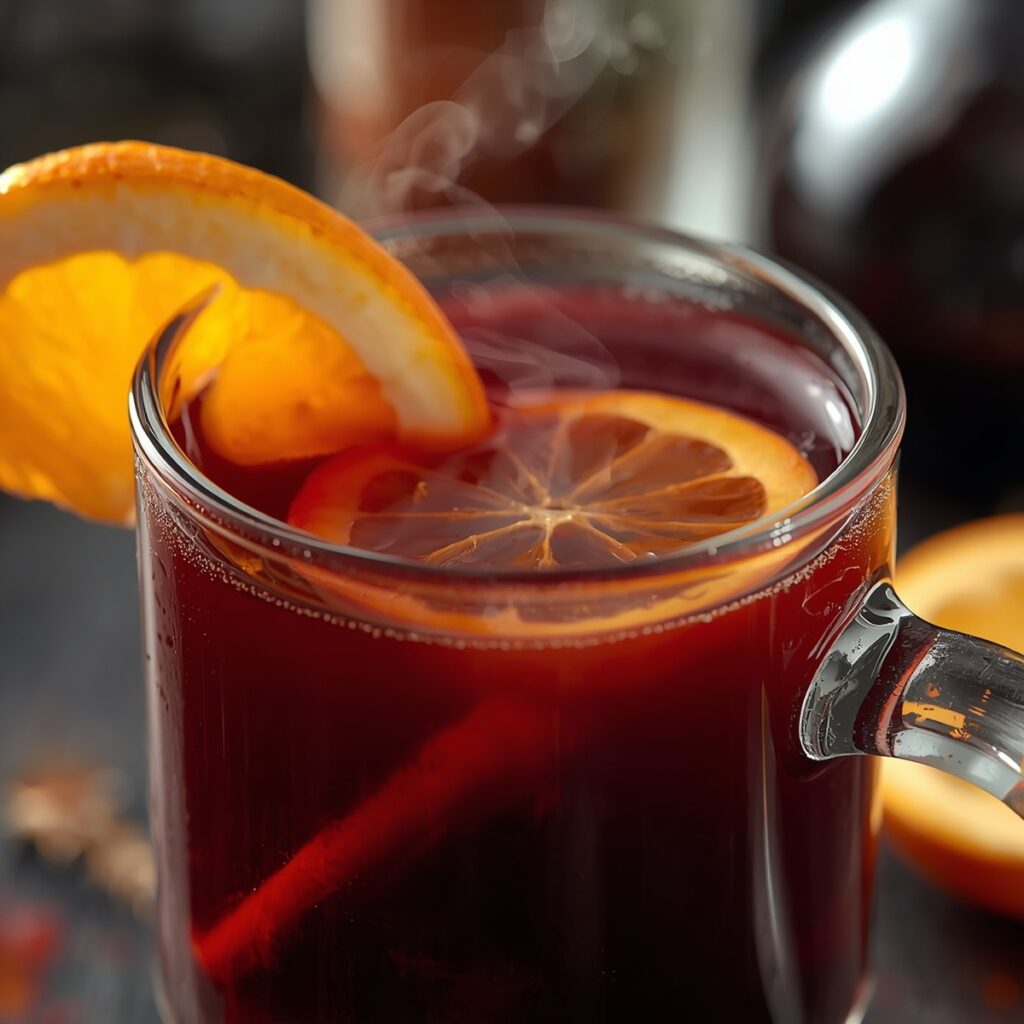
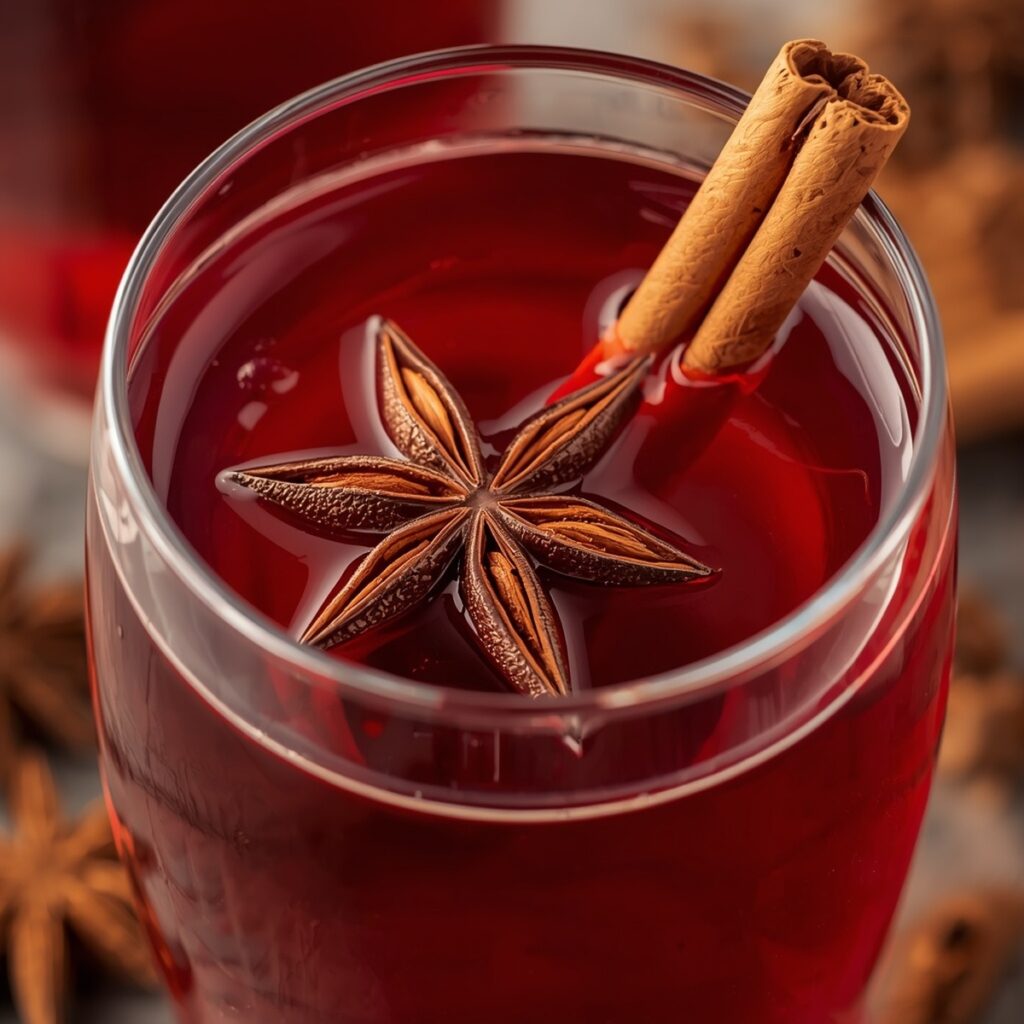
Combine everything in a saucepan and simmer gently for 15 minutes — don’t let it boil. Strain out the solids and serve warm. This non alcoholic mulled wine is the one I make for the holidays; it fills the kitchen with the same smell as the real thing.
Non Alcoholic Spiced Wine
- 2 cups grape juice
- 1/4 cup brewed black tea
- 1 star anise
- 1 cinnamon stick
- 1 tbsp honey
Warm everything gently (don’t boil) for 10 minutes, then strain and serve. A little more festive than the base recipe, and genuinely one of the best non alcoholic wines for a dinner party since it looks and smells the part.
What About Non Alcoholic Cooking Wine?
Cooking wine non alcoholic substitutes are simpler than the drinking versions — you’re after depth and acidity, not a sippable drink. For most recipes calling for red or white wine, swap in an equal amount of grape juice cut with a splash of vinegar (balsamic for red wine, white wine vinegar for white). It won’t taste identical, but it does the same job of deglazing a pan and adding acidity to a sauce. How do you make non alcoholic wine work in a recipe that leans on real wine’s alcohol for flavor release? Simmer it a few extra minutes — the acid and sugar still concentrate the same way, just without the evaporating alcohol.
Non Alcoholic Wine Coolers
For something lighter and more casual, non alcoholic wine coolers are an easy spin on the base recipe above — a genuine sparkling non alcoholic wine option: cut the grape-juice mixture with sparkling water or lemon-lime soda, about one part sparkling to two parts wine base, and serve over ice with a citrus wheel. It’s one of the better non alcoholic wine alternatives for versions that lean too sweet, since the fizz keeps it from tasting like straight juice.
Is It Actually Better for You?
Calories in non alcoholic wine are generally lower than the regular version, mainly because alcohol itself carries calories — roughly 7 per gram. Beyond that, be skeptical of bigger health claims. Removing the alcohol doesn’t automatically make it a health drink, and some dealcoholized and grape-juice versions add extra sugar to compensate for lost body, which can offset the calorie savings. If you’re choosing it for the lower alcohol content and fewer calories, that part is genuinely true. Anything beyond that is worth reading the label for.
Frequently Asked Questions
Is there such a thing as non alcoholic wine?
Yes — it comes in two forms: dealcoholized wine (real wine with the alcohol removed) and grape-juice-based wine alternatives that were never fermented at all.
How is non alcoholic wine made?
Dealcoholized wine is made by fermenting real wine, then removing the alcohol through reverse osmosis or vacuum distillation. Grape-juice-based versions skip fermentation entirely and use grape juice with added acidity and tannin instead.
What is non alcoholic wine that tastes like wine?
Dealcoholized wine gets closest, since it starts as real fermented wine. A homemade grape-juice version with tea for tannin and a splash of vinegar for acidity gets surprisingly close too, especially in a mulled or spiced form where the warmth and spices do a lot of the work.
Does non alcoholic red wine still have the health compounds of regular wine?
Dealcoholized red wine retains more of those compounds than a grape-juice version does, since it comes from real fermented wine. That said, treat any specific health claim with caution — the amounts involved are small either way.
Can I use non alcoholic wine for cooking?
Yes, both dealcoholized wine and a homemade grape-juice-and-vinegar version work for cooking — they add acidity and depth to a sauce or braise the same way regular wine does.
Related Recipes

Homemade Non Alcoholic Wine
Ingredients
Equipment
Method
- Combine grape juice, cooled tea, lemon juice, and balsamic vinegar in a pitcher and stir
- Chill for at least 1 hour
- Serve in a wine glass, slightly chilled
Notes
Disclaimer: This article is for general informational purposes only and reflects RecipeValley’s own research and testing. It is not medical, nutritional, or legal advice. If you have specific health or dietary concerns, please consult a doctor or registered dietitian.
About the Author
Jonas Mitchell is a home baker and recipe developer at RecipeValley, focused on approachable, kitchen-tested desserts and everyday recipes. He does not hold a clinical nutrition credential, and his content is for informational purposes only and is not a substitute for advice from a doctor or registered dietitian.
