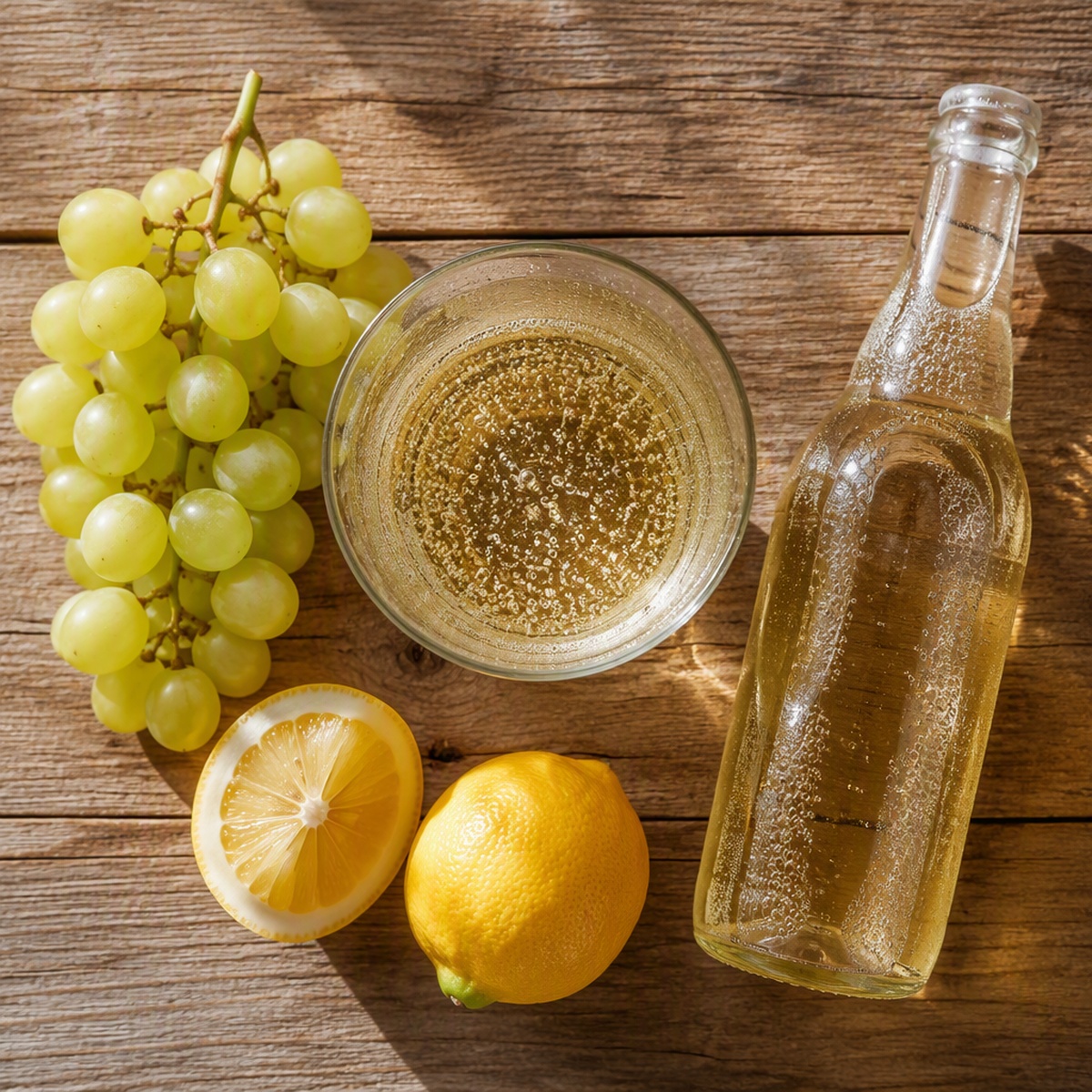
The Non Alcoholic Champagne I Actually Serve at Toasts
Non alcoholic champagne confused me the first time I went looking for it, mostly because I kept finding the word “champagne” on bottles that, legally, can’t actually be champagne at all. I dug into what’s really going on, tried building my own version at home with sparkling grape juice, and figured out what actually makes a good glass of bubbles feel festive without the real thing. Here’s what I found, plus a homemade version with a mimosa variation for anyone who wants to skip the store entirely.
Quick Summary
Champagne non alcoholic versions aren’t technically champagne at all — that name is legally reserved for sparkling wine from France’s Champagne region, so what you’re buying is dealcoholized sparkling wine. It’s made by fermenting real wine and then removing the alcohol, usually to under 0.5% ABV. Below: how it’s actually made, whether it’s worth buying versus making your own, and a homemade sparkling grape-juice version with a mimosa and a pink variation.
Is There Non Alcoholic Champagne?
Is there non alcoholic champagne, technically? No — and this trips a lot of people up. “Champagne” is a legally protected name reserved for sparkling wine made in the Champagne region of France using a specific method. What’s sold as non alcoholic champagne is really non alcoholic sparkling wine, using the word “champagne” loosely the way people say “Kleenex” for any tissue.
Champagne vs. Sparkling Wine vs. Prosecco
| Term | What It Actually Means |
| Champagne | Legally only from the Champagne region of France |
| Sparkling Wine | The general category — bubbly wine made anywhere |
| Prosecco | Sparkling wine made in Italy from Glera grapes |
| Non Alcoholic Champagne | Marketing shorthand for de-alcoholized sparkling wine, not real Champagne |
How Is It Made?
Real non alcoholic sparkling wine starts as an actual fermented wine, then goes through one of three dealcoholization methods: vacuum distillation (evaporating alcohol at low temperature, then blending flavor back in), spinning cone columns (repeated low-temperature evaporation using centrifugal force), or reverse osmosis (filtering out alcohol through a membrane, then adding the remaining water back). Every method strips out aroma and body along with the alcohol, which is why winemakers usually blend flavor and tannins back in before the final carbonation step.
A Brief History
Dealcoholized wine dates back further than most people realize — early versions were being made in Germany as far back as the 1900s, mostly for religious communities that needed a wine-like drink without alcohol for ceremonies. The technology stayed fairly crude for most of the 20th century, which is why non alcoholic sparkling wine had a reputation for tasting flat and overly sweet for decades. The reverse osmosis and spinning cone methods that improved quality significantly didn’t become widely used until the 1990s and 2000s, and the category has kept improving since, especially as Dry January and sober-curious trends pushed more producers to invest in it seriously.
A Homemade Non Alcoholic Champagne
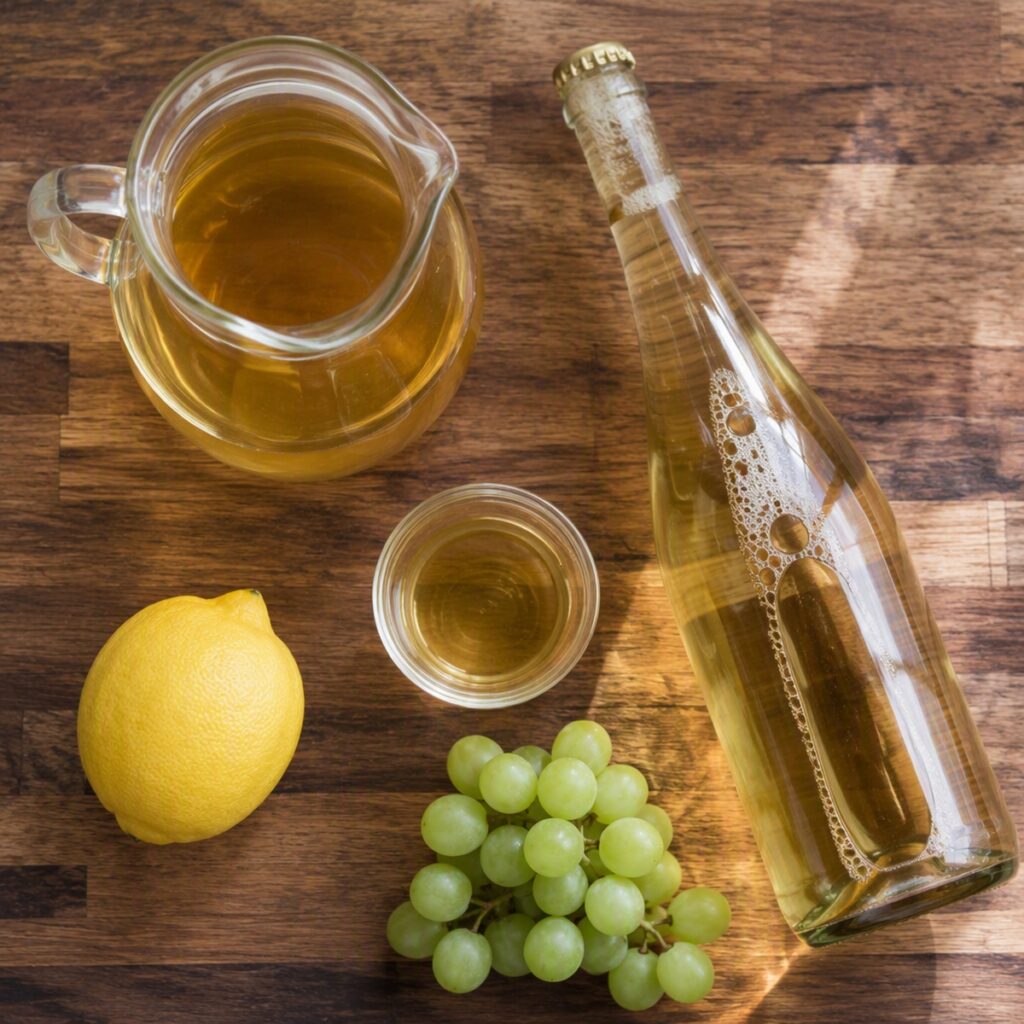
You don’t need a dealcoholization setup to get something that pours and tastes celebratory. This sparkling juice non alcoholic version uses the same tannin trick from our non alcoholic wine recipe, just finished with sparkling grape juice instead of still.
- 1 cup white grape juice
- 2 tbsp brewed white or green tea, cooled
- 1 tsp fresh lemon juice
- 1 cup sparkling white grape juice or sparkling water, chilled
1. Combine the grape juice, cooled tea, and lemon juice in a pitcher and stir.
2. Chill for at least 30 minutes so the flavors meld.
3. Pour into a champagne flute and top with the sparkling component right before serving.
The tea adds a faint dryness that keeps this from tasting purely like sweet juice — it’s a small trick, but it makes a real difference in how close this gets to an actual glass of bubbly.
Non Alcoholic Champagne for Mimosas
Best non alcoholic champagne for mimosas is really about ratio, not brand. Combine equal parts of the homemade sparkling version above and fresh orange juice, or use a store-bought non alcoholic sparkling wine if you have one on hand. Pour the orange juice first, then top with the sparkling component so it doesn’t lose its fizz.
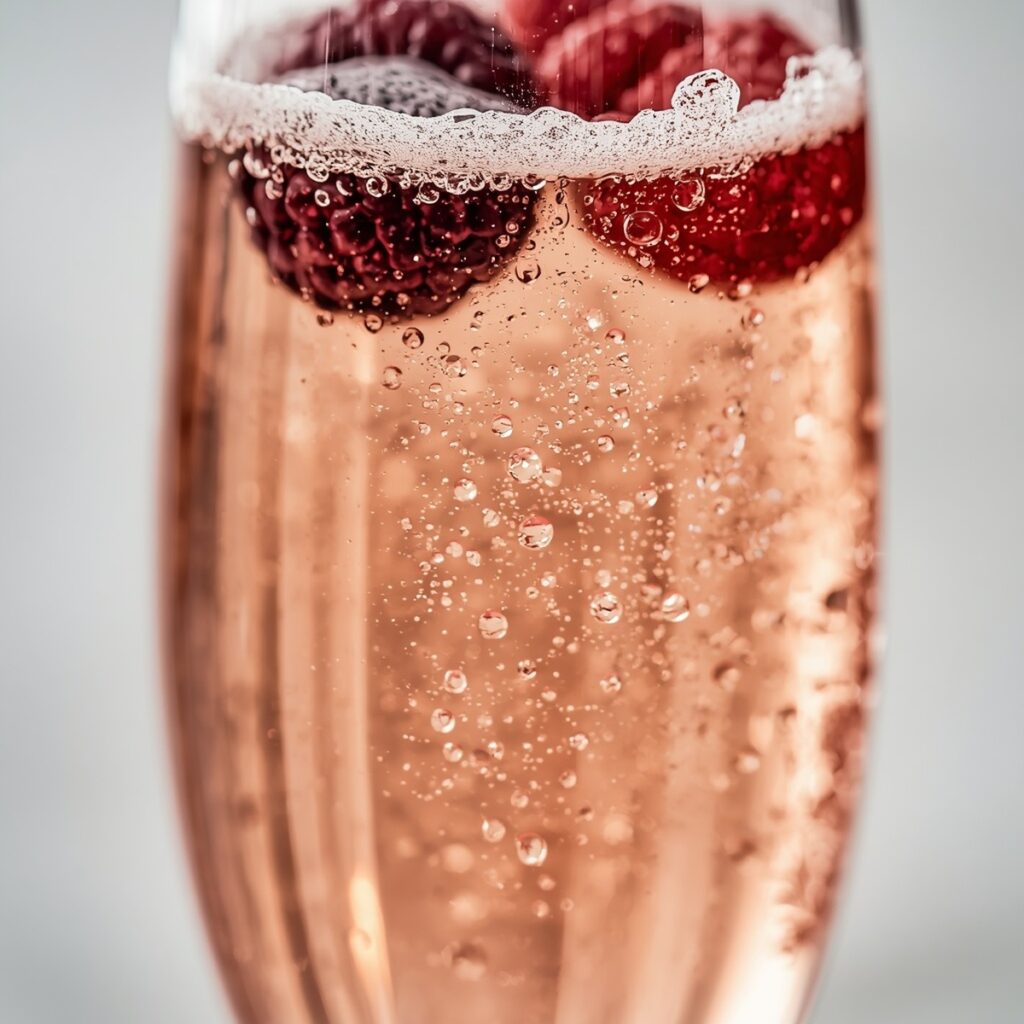
Non Alcoholic Pink Champagne
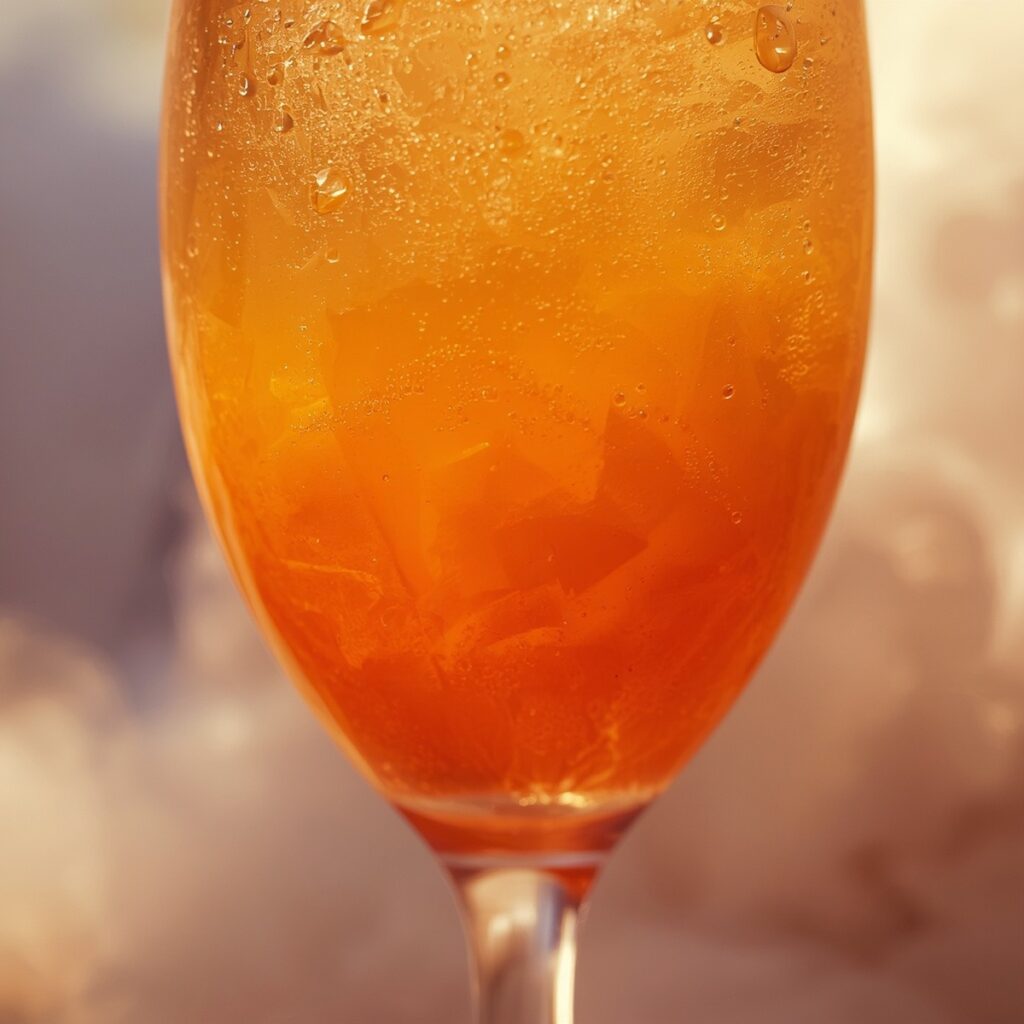
- 1 cup white grape juice
- 1/4 cup cranberry juice
- 2 tbsp brewed white tea, cooled
- 1 cup sparkling water, chilled
Combine everything except the sparkling water, chill, then top with sparkling water right before serving. The cranberry juice gives it that classic rosé blush without needing an actual non alcoholic rose champagne bottle.
Other Champagne Alternatives Worth Knowing
Apple cider champagne non alcoholic versions are another easy route — sparkling apple cider poured into a flute reads just as festive at a holiday table and needs zero prep. If you’re after a genuine champagne substitute non alcoholic option without any store trip, sparkling white grape juice on its own, well chilled and served in the right glass, does most of the job.
How to Serve It So It Feels Like the Real Thing
- Chill it well — cold temperatures mimic the crispness of real sparkling wine and hide some of the flatness dealcoholization can leave behind
- Use a proper flute or coupe glass — the shape concentrates bubbles and aroma the same way it does for real champagne
- Pour just before serving — sparkling anything loses its fizz fast once poured, so don’t fill glasses ahead of time
- Pair it with food — cheese, fruit, or seafood genuinely enhance the experience the way they would with the real thing
Why Does Mine Taste Flat or Too Sweet?
Flat usually means the sparkling component sat out too long before pouring, or went in too early and lost its fizz waiting. Add it dead last, straight from a chilled bottle.
Too sweet means cutting back on the juice-to-tea ratio in the homemade version, or trying a brut-labeled bottle if you’re buying — brut is the driest style and the closest match to traditional champagne’s balance.
Calories and Price, Honestly
Calories in non alcoholic champagne run lower than the real thing on average, mainly because alcohol itself carries calories that a dealcoholized version doesn’t have. Non alcoholic champagne price is the other honest catch — bottles are often priced close to or even above cheap real sparkling wine, since the dealcoholization process adds cost. If price matters more than authenticity, a homemade version or sparkling grape juice costs a fraction as much.
Frequently Asked Questions
Does non alcoholic champagne expire?
Yes, though it typically lasts longer than real champagne once opened since there’s no alcohol acting as a preservative in the same way. Check the label for a best-by date and refrigerate after opening.
What’s a good non alcoholic champagne cocktail?
A mimosa is the easiest starting point — equal parts non alcoholic sparkling wine and orange juice. A splash of cranberry juice turns it into a simple non alcoholic champagne punch for a crowd.
Can pregnant women drink non alcoholic champagne?
Most guidance recommends caution, since dealcoholized versions can still contain trace alcohol up to 0.5% ABV. A homemade sparkling grape-juice version, which has zero alcohol from the start, is the safer choice. Talk to your doctor about your specific situation.
Is non alcoholic champagne sugar free?
Not usually. Removing alcohol also removes body and flavor, so many brands add sugar back in to compensate. If sugar free champagne matters to you, check the label rather than assuming.
What are the best non alcoholic champagne brands?
Non alcoholic champagne brands vary a lot in style — some lean bone-dry, others lean sweet. Rather than chasing a specific brand name, look for one labeled brut if you want something closer to traditional champagne’s dryness.
What’s the difference between champagne and non alcoholic sparkling wine?
Real champagne always contains alcohol and can only legally come from France’s Champagne region. Non alcoholic sparkling wine is made the same general way but has the alcohol removed afterward, and it can be produced anywhere.
Is alcohol free champagne the same as non alcoholic champagne?
Not quite. “Alcohol-free” specifically means 0.0% ABV, while “non-alcoholic” can legally include up to 0.5% ABV. If avoiding all trace alcohol matters to you, look for the 0.0% label specifically.
Related Recipes
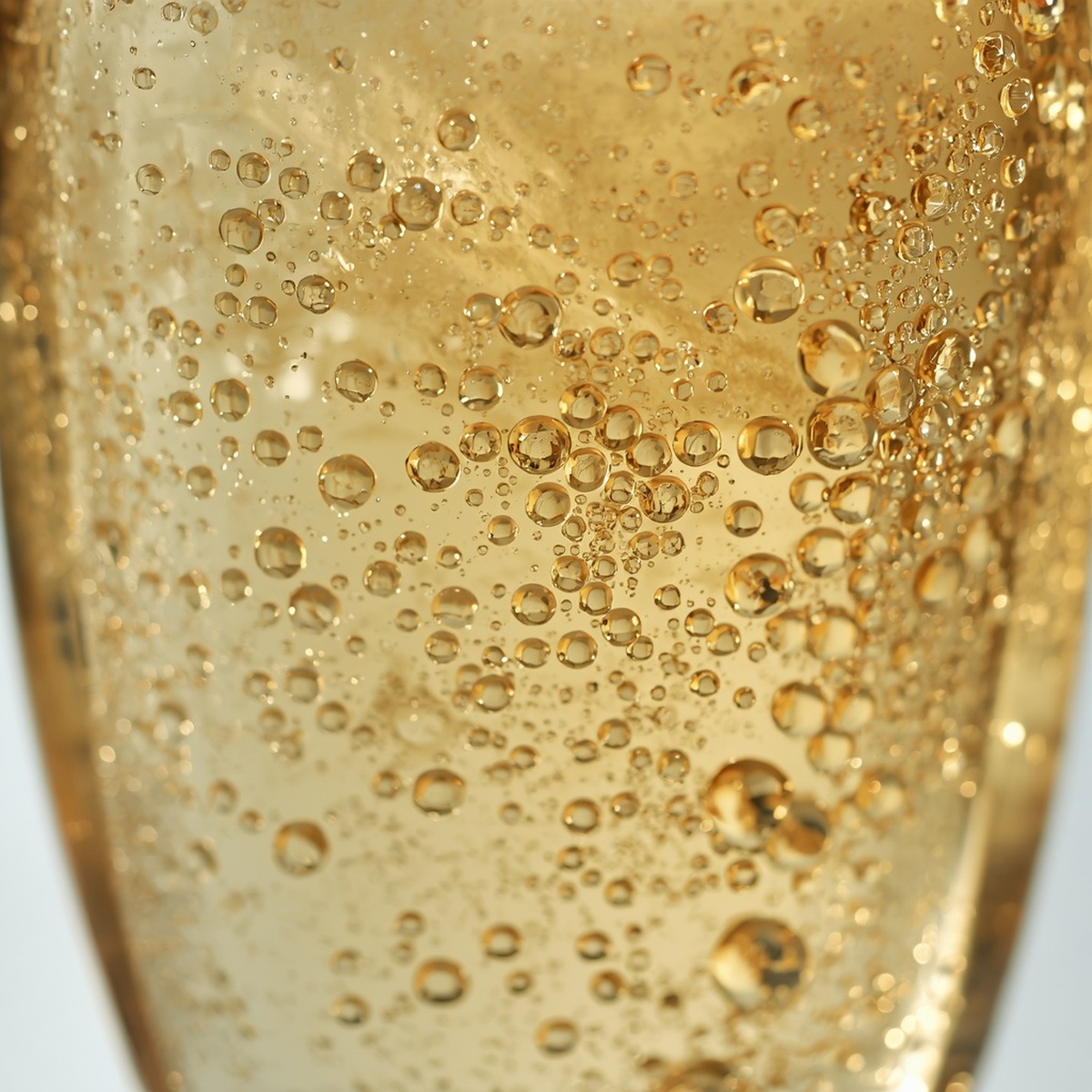

Homemade Non Alcoholic Champagne
Ingredients
Equipment
Method
- Combine grape juice, cooled tea, and lemon juice in a pitcher, stir
- Chill for at least 30 minutes.
- Pour into a champagne flute and top with the sparkling component right before serving.
Notes
Disclaimer: This article is for general informational purposes only and reflects RecipeValley’s own research and testing. It is not medical, nutritional, or legal advice. If you have specific health or dietary concerns, please consult a doctor or registered dietitian.
About the Author
Jonas Mitchell is a home baker and recipe developer at RecipeValley, focused on approachable, kitchen-tested desserts and everyday recipes. He does not hold a clinical nutrition credential, and his content is for informational purposes only and is not a substitute for advice from a doctor or registered dietitian.
