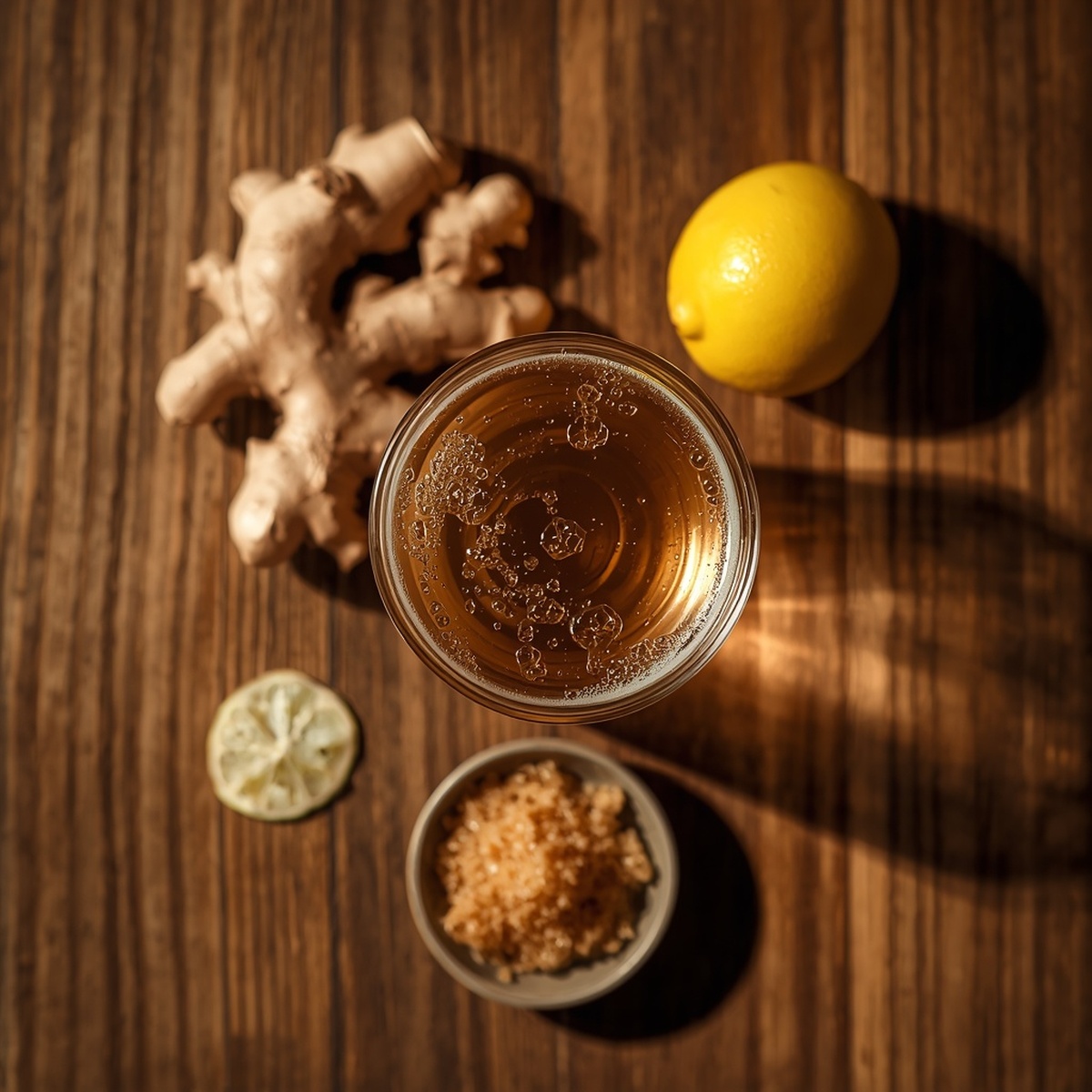
What I Actually Learned About Non Alcoholic Beer
Non alcoholic beer (some people search it as beer non alcoholic, or just want a non alcoholic drink reminiscent of beer without the actual bottle) confused me the first time someone handed me one at a barbecue and I couldn’t tell the difference until three sips in. I went and actually looked into how it’s made, whether it really has zero alcohol, and why some non-alcoholic beers taste like real beer while others taste like flat, sweet nothing. Here’s what I found, plus a homemade zero-alcohol alternative with real bitterness and fizz for anyone who wants to build their own instead of buying a six-pack.
Quick Summary
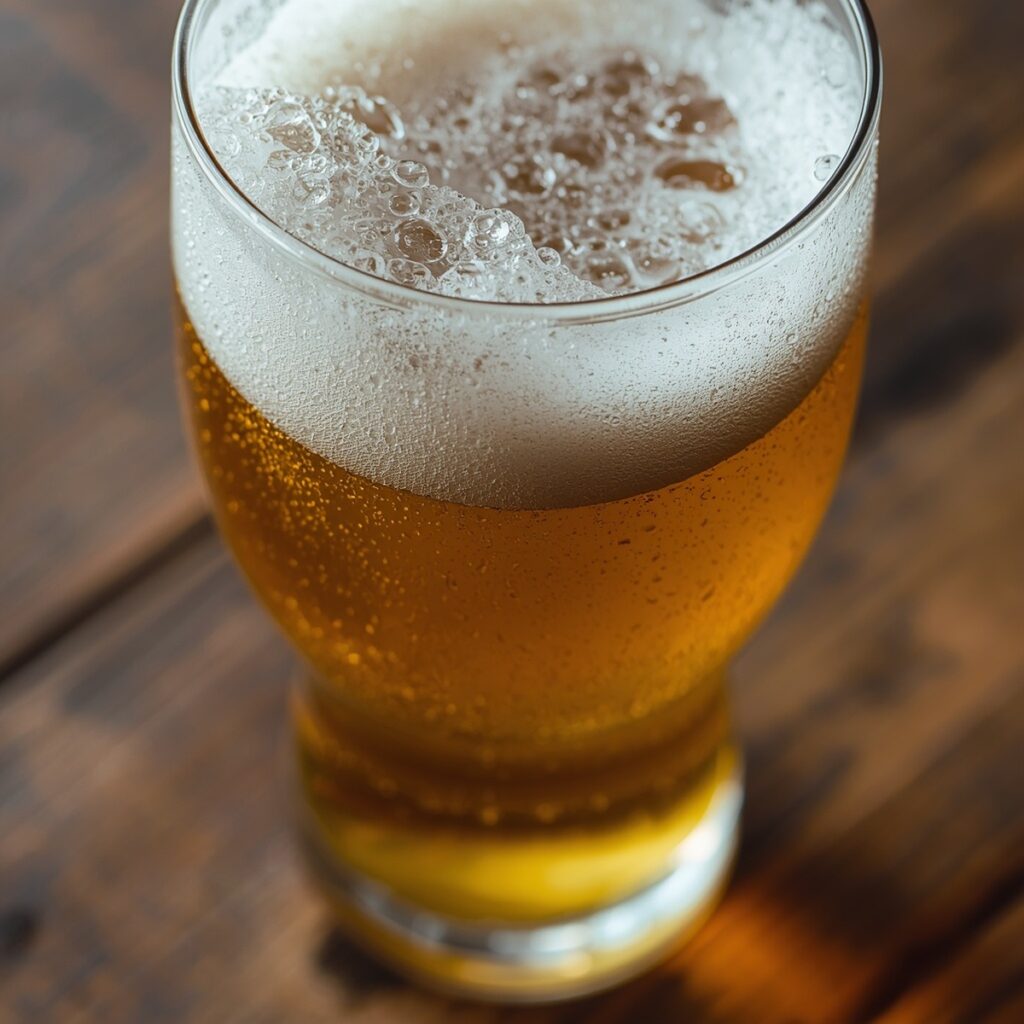
Non alcoholic beer is real beer with the alcohol removed (or greatly reduced during brewing), and in the US it’s legally allowed to contain up to 0.5% ABV unless labeled 0.0%. It’s not automatically a health food — most versions still carry meaningful calories and sugar. Below: how it’s actually made, whether it has alcohol, who should skip it, and a homemade ginger-based drink that gets you real bitterness and fizz without needing a brewery.
What Is It, Really?
Non alcohol beer is made one of two ways: brewed as regular beer and then had the alcohol removed (dealcoholization), or brewed with limited fermentation that stops before much alcohol develops in the first place. How do they make non alcoholic beer specifically, and how to brew it commercially? The two main dealcoholization methods are vacuum distillation (heating beer at low pressure so the alcohol evaporates without cooking off the flavor) and reverse osmosis (filtering it through a membrane fine enough to separate out alcohol and water, then adding the water back).
Once the alcohol is gone, the beer goes flat, so brewers recarbonate it and often add a bit of sugar back in to make up for lost body. Most non-alcoholic beers on shelves are made this way rather than through limited fermentation.
A Quick History
Non-alcoholic beer isn’t new. During Prohibition in the US (1920-1933), breweries that survived did so partly by making “near beer” — low-alcohol brews under the legal 0.5% threshold, sold openly while the real thing was banned. Quality was famously poor, which is part of why non-alcoholic beer carried a bad reputation for decades afterward. Modern versions, using reverse osmosis and vacuum distillation, are a genuinely different product — closer in flavor to the beer they’re based on than anything from that era.
Does It Actually Have Alcohol?
Does non alcoholic beer have alcohol at all? Usually a small amount, yes. In the US, beer labeled “non-alcoholic” can legally contain up to 0.5% ABV, while “alcohol-free” means 0.0% ABV with no detectable alcohol. Does non alcoholic beer have alcohol in it even at 0.0%? Sometimes — testing has found trace amounts in a portion of bottles that claim it, so if you need to avoid alcohol completely, look specifically for 0.0% and don’t assume the label tells the whole story.
Versus Regular Beer
The amount of alcohol in non alcoholic beer is small enough that non alcoholic beer alcohol content rarely comes up as a practical concern for most drinkers, but the table below breaks down where the real differences are.
| Regular Beer (12 oz) | Non Alcoholic Beer (12 oz) | |
| Alcohol content | ~5% ABV | Usually under 0.5% ABV |
| Calories | ~150 | ~90-130, varies by brand |
| Carbs | ~13g | ~15-30g, often higher |
| Why the carbs are higher | Alcohol itself carries no carbs | Extra sugar is often added to replace body lost when alcohol is removed |
Non alcoholic beer calories aren’t automatically lower than regular beer — it depends heavily on the brand. Some genuinely cut calories; others add enough sugar back in that the difference is minor. Check the label rather than assuming.
Is It Bad for You?
Are non alcoholic beers bad for you? For most people, no — it’s a reasonable way to cut alcohol intake while still having something that tastes like beer. A few groups should be more careful: pregnant women, since even trace alcohol has no established safe level; anyone in recovery from alcohol use disorder, since research has found that low- and no-alcohol drinks can increase cravings for some people in recovery; and anyone strictly avoiding all alcohol for religious or personal reasons, who should check for a true 0.0% label rather than assuming “non-alcoholic” means zero.
Dangers of non alcoholic beer are mostly overstated for the general population — it’s a low-risk choice for anyone drinking non alcoholic beer casually to cut back. The exceptions above are the ones worth taking seriously.
A Homemade Alternative
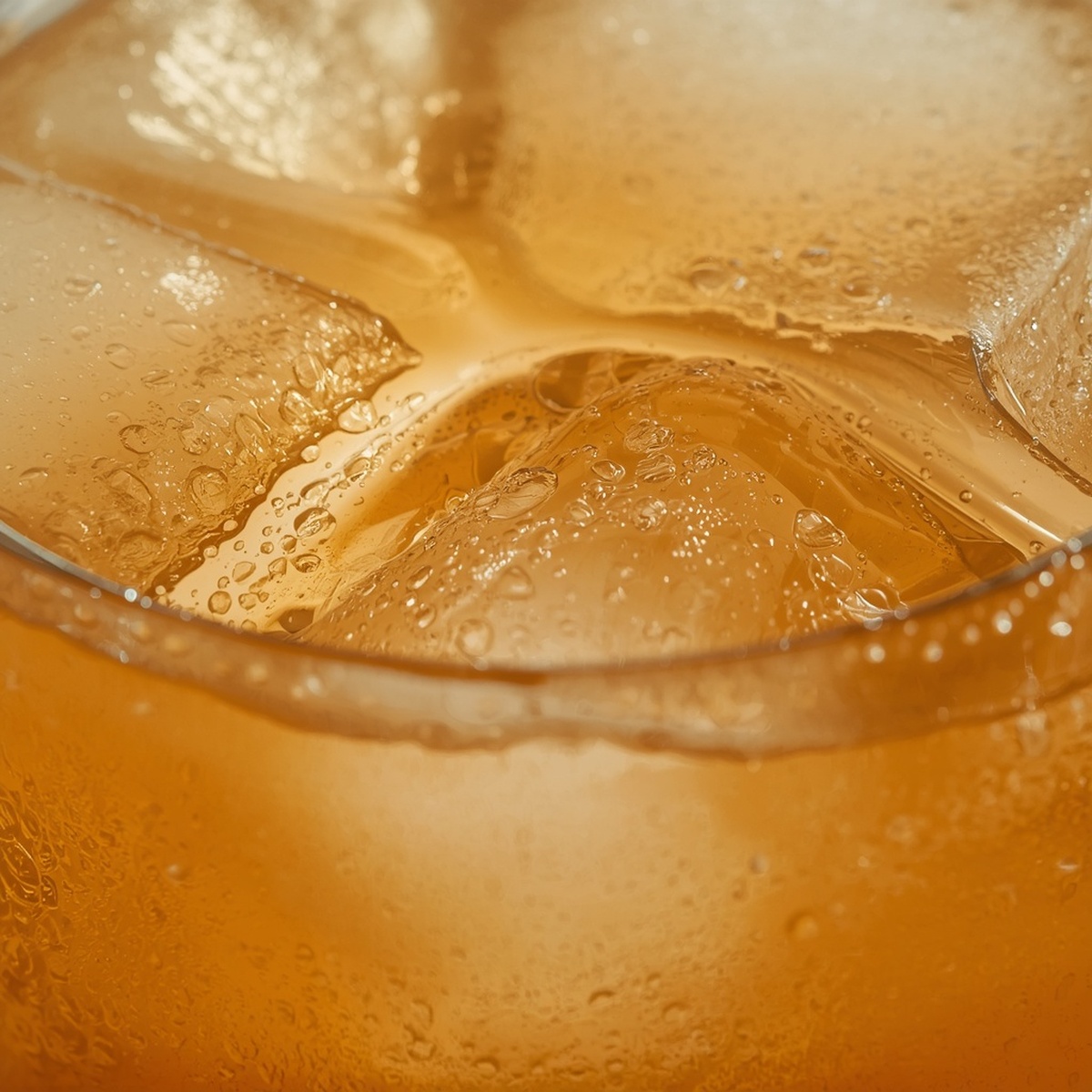
How do you make non alcoholic beer at home? Realistically, you don’t — actual beer needs malted grain, hops, and a real fermentation process, which isn’t a kitchen project. What you can make is something with the same bitterness, fizz, and body it brings to the table, built from ginger instead of hops.
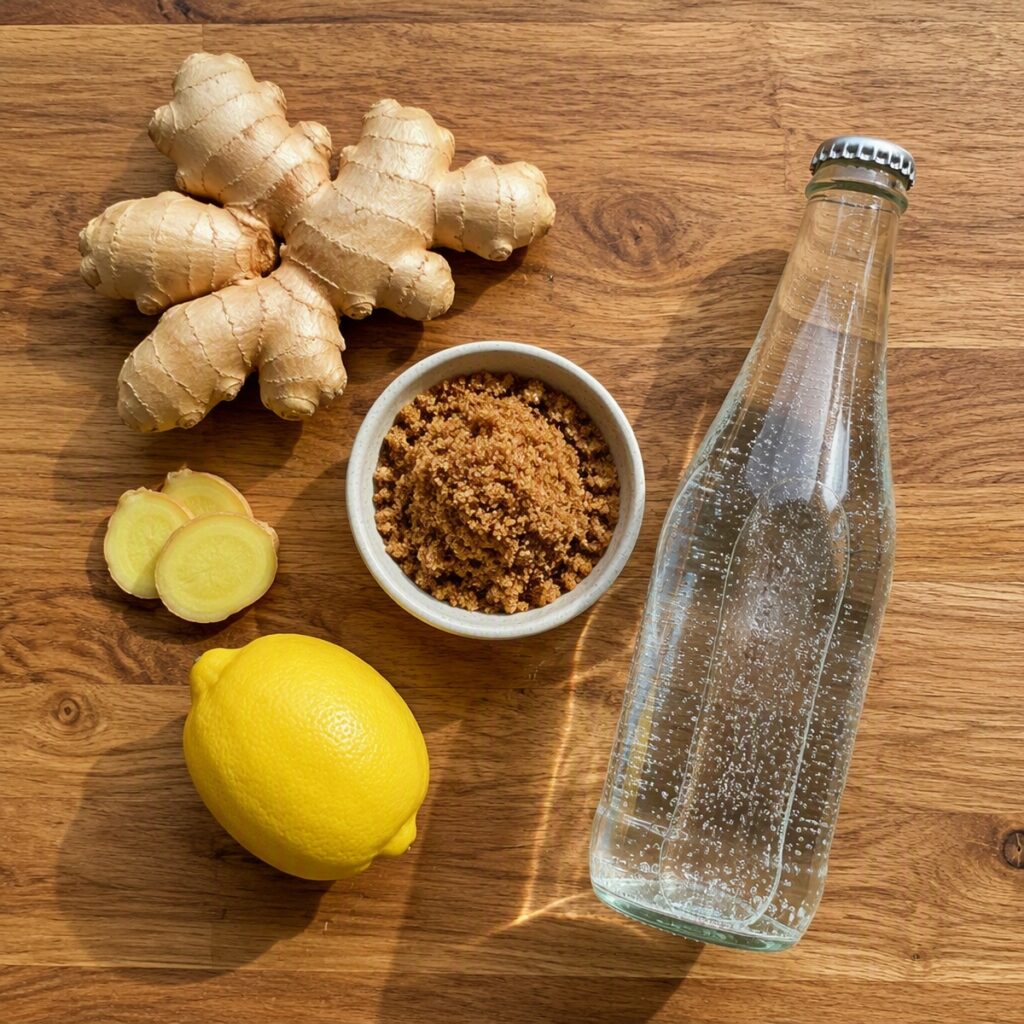
- 2-inch piece fresh ginger, peeled and grated
- 2 tbsp brown sugar
- 1 tbsp fresh lemon juice
- 1 cup sparkling water
1. Combine the grated ginger and brown sugar in a glass and muddle for about a minute to release the ginger’s oils.
2. Add the lemon juice and stir until the sugar dissolves.
3. Strain out the ginger pieces, add ice, and top with sparkling water.
This isn’t trying to be a beer dupe — it’s its own drink, but the ginger’s natural bite fills the same role hops play in real beer: something bitter to balance against.
What About Non Alcoholic IPA?
Non alcoholic IPA beer tends to hold up better than lagers do after de-alcoholization, since IPAs lean on hop bitterness and aroma rather than the malt body that alcohol removal tends to strip out. If you’re buying rather than making your own, an IPA-style non alcoholic craft beer is usually a safer first pick than a light lager, and it’s often the best non alcohol beer style for anyone who found their first try disappointing. Ask a few people what the best non-alcoholic beer is and you’ll get different answers depending on whether they prefer lagers or something hoppier.
Non Alcoholic Beer Styles Compared
Not every style de-alcoholizes the same way. Some hold up well; others lose most of what made them interesting in the first place.
| Style | How It Holds Up |
| Lager | Most common, but often the thinnest-tasting after alcohol removal |
| IPA | Holds up best — hop bitterness and aroma survive the process well |
| Wheat Beer | Good middle ground — banana and clove notes from the yeast carry through |
| Stout | Rare to find well-made, but dark malt flavor can mask some of the flatness |
Carbs to Know About
Non alcoholic beer low carb options do exist, but they’re the exception rather than the rule — most run higher in carbs than their alcoholic counterparts because of the added sugar. If low carb genuinely matters to you, check the nutrition label specifically rather than assuming “non-alcoholic” means lighter.
Why the Category Has Grown So Much
Non alcoholic beer used to mean one or two sad options at the back of a grocery store shelf. That’s changed fast — driven by Dry January’s spread from a niche challenge into a mainstream habit, more breweries investing in dedicated non-alcoholic lines instead of treating it as an afterthought, and a broader shift toward moderate drinking rather than all-or-nothing. The upside for anyone buying it now is real: quality has improved noticeably even in the last few years, and the variety of styles available has grown along with it.
How to Pick One You’ll Actually Like
- Start with an IPA or wheat beer rather than a lager — they tend to taste more complete
- Check whether it’s labeled 0.0% or just “non-alcoholic” if trace alcohol matters to you
- Serve it colder than you’d serve a regular beer — chilling hides some of the thinness that alcohol removal can leave behind
- Buy a single bottle before committing to a case — taste varies more between brands here than it does with regular beer
Frequently Asked Questions
What is the best non alcoholic beer?
Among the best non alcoholic beers, IPAs and wheat beers tend to hold their character better than light lagers, so start there if you’re not sure what you like. If you’re looking into how to make non alcoholic beer yourself rather than buying it, real brewing isn’t practical at home — the ginger-based drink above is the realistic homemade option.
How much alcohol is in non alcoholic beer?
Legally up to 0.5% ABV for beer labeled “non-alcoholic” in the US, and 0.0% for beer labeled “alcohol-free.” Actual content can vary by brand, so check the label if the exact amount matters to you.
What’s the lowest calorie non alcoholic beer option?
Calories vary widely by brand — generally, lighter lager styles run lower than wheat beers or stouts, but checking the specific label is more reliable than assuming based on style.
Is drinking it regularly a problem?
For most people, no. The main exception is anyone in recovery from alcohol use disorder, where research suggests regular exposure to low- or no-alcohol drinks can increase cravings for some individuals.
Is it safe during pregnancy?
Most guidance recommends avoiding it, since even trace alcohol has no established safe level during pregnancy and some “non-alcoholic” beers contain more than their label suggests. Talk to your doctor about your specific situation.
Was non-alcoholic beer always this good?
No — early versions, especially the “near beer” sold during Prohibition, had a reputation for tasting thin and off. Modern dealcoholization methods have improved the category significantly over the last decade.
What’s the difference between non-alcoholic and alcohol-free beer?
Non-alcoholic legally allows up to 0.5% ABV in the US. Alcohol-free means 0.0% ABV with no detectable alcohol. The two terms aren’t interchangeable even though they’re often used that way.
Does non alcoholic beer still get you a beer-like buzz?
No — at 0.5% ABV or less, there isn’t enough alcohol to produce any noticeable effect, even drinking several in a row.
Related Recipes

Homemade Non Alcoholic Ginger Beer
Ingredients
Equipment
Method
- Combine grated ginger and brown sugar in a glass, muddle for about a minute
- Add lemon juice, stir until sugar dissolves
- Strain out ginger pieces, add ice, top with sparkling water.
Notes
Disclaimer: This article is for general informational purposes only and reflects RecipeValley’s own research and testing. It is not medical, nutritional, or legal advice. If you have specific health or dietary concerns, please consult a doctor or registered dietitian.
About the Author
Jonas Mitchell is a home baker and recipe developer at RecipeValley, focused on approachable, kitchen-tested desserts and everyday recipes. He does not hold a clinical nutrition credential, and his content is for informational purposes only and is not a substitute for advice from a doctor or registered dietitian.
