
Baking Soda for Weight Loss: Does It Actually Work?
If you’ve scrolled past a “baking soda for weight loss” video promising a flatter stomach in days, you’re not alone — it’s one of the most searched kitchen-cabinet weight loss tricks online. The idea sounds simple: stir a little baking soda into water, apple cider vinegar, or lemon juice, drink it on an empty stomach, and watch the pounds come off. But does drinking baking soda for weight loss actually do anything, or is it just another viral kitchen myth? Below, we break down what the research really says, three ways people prepare it, the safety risks worth knowing, and what’s genuinely worth your time instead.
Part of the appeal is how cheap and simple it looks next to supplements or meal plans — most people already have a box of baking soda sitting in the pantry. That accessibility is exactly why the claim spreads so fast online, even though the science hasn’t caught up with the hype.
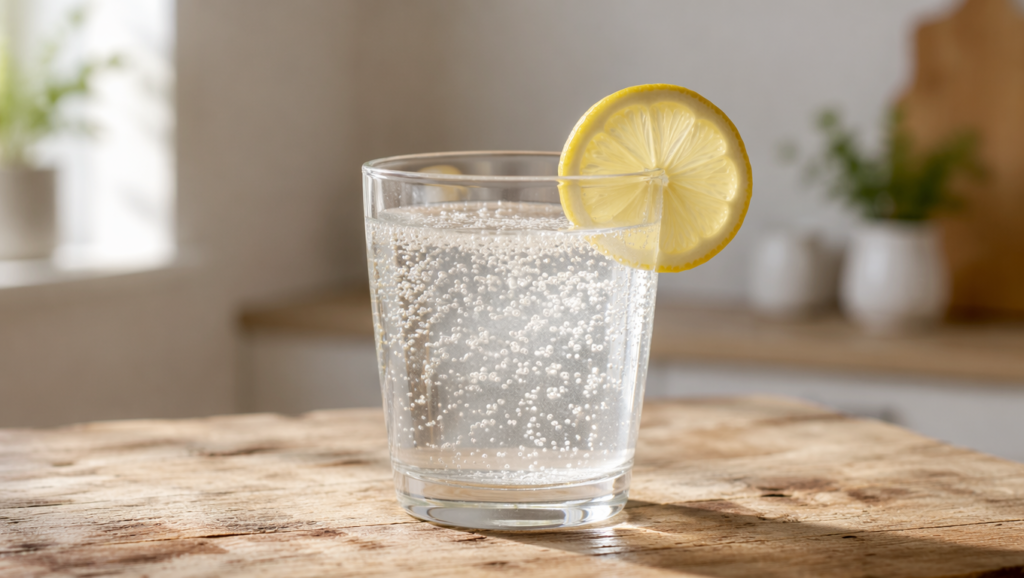
Quick Summary
There’s no scientific evidence that baking soda for weight loss works on its own — your body tightly regulates its own pH, and food or drink barely touches it. Any small effect people notice from a baking soda drink for weight loss is really coming from the water, apple cider vinegar, or lemon juice it’s mixed with, not the baking soda itself. Ingesting too much baking soda can also cause real health risks, including high sodium intake, metabolic alkalosis, and kidney strain. One legitimate use worth knowing: small, timed doses may modestly support high-intensity workout performance. For actual weight loss, sustainable habits — not a baking soda shot — do the heavy lifting.
| Prep Time | Best Time to Drink | Servings | Calories |
| 3 minutes | Empty stomach, morning | 1 | 0 |
What Is the Baking Soda Trick for Weight Loss?
What is the baking soda trick for weight loss, exactly? It’s the claim that sodium bicarbonate — the same white powder in your baking cabinet — can help the body burn fat faster when consumed in water or mixed with an acid like apple cider vinegar or lemon juice. The theory rests on the idea that baking soda makes your body more “alkaline,” and that a more alkaline body burns fat more efficiently.
It’s a tidy story, but your body doesn’t actually work that way. Your blood and tissues sit inside a narrow, tightly controlled pH range, and your lungs and kidneys manage that balance constantly — regardless of what you eat or drink. Swallowing baking soda doesn’t shift your body’s overall alkalinity in any way that touches stored fat.
Does Baking Soda Help You Lose Weight? What the Research Says
Is baking soda good for weight loss? Based on the current research, no — not directly. No clinical studies show that baking soda itself burns fat, boosts metabolism, or leads to measurable weight loss. What baking soda can do is neutralize stomach acid, which is why it’s a common remedy for heartburn and indigestion. That neutralizing reaction produces carbon dioxide gas, which is why you might burp after drinking it — a sensation some people mistake for their stomach “shrinking” or feeling lighter. That burp has nothing to do with body fat.
Where people do sometimes see modest results, it’s usually indirect. Baking soda is typically diluted in a full glass of water, and drinking more water throughout the day is genuinely linked to reduced hunger and better hydration. If your baking soda drink for weight loss is mixed with apple cider vinegar, older research suggests ACV may modestly reduce appetite for some people, though more recent studies on this are limited and mixed. In both cases, credit goes to the water or the vinegar — not the baking soda riding along with them.
This is worth repeating because it’s the core of the whole trend: drinking baking soda for weight loss, on its own, has no direct fat-burning mechanism behind it. Every reputable source that has looked into it — from registered dietitians to medical reviewers — reaches the same conclusion. If a version of this drink helped someone lose weight, it’s far more likely they were also eating a bit less, moving more, or simply drinking more water overall.
3 Ways People Try Baking Soda and Water for Weight Loss

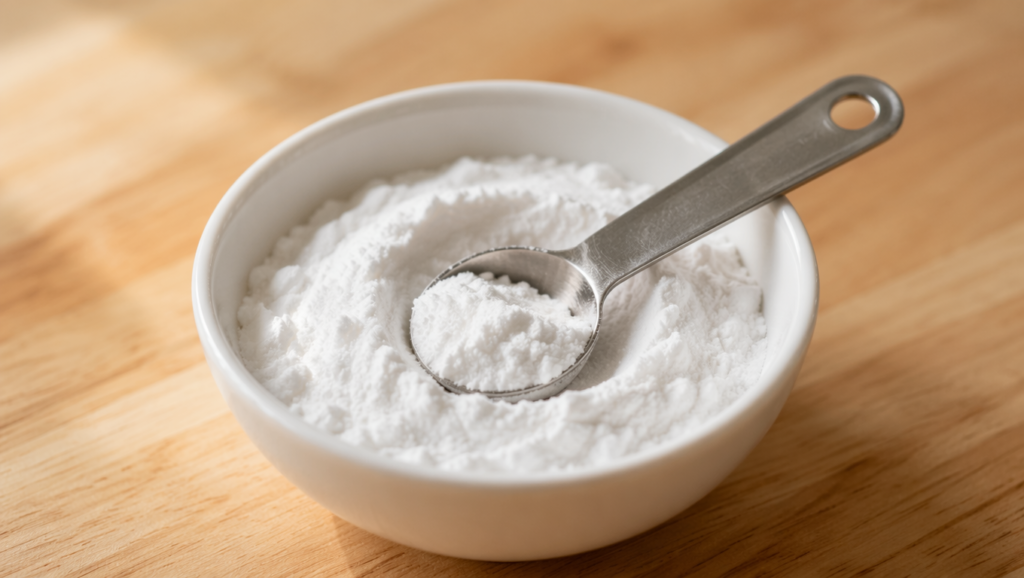
Method 1 — Baking Soda and Water
The most basic version. Dissolve 1/2 teaspoon of baking soda in 1 to 2 cups of water and drink it on an empty stomach, once a day. This is the gentlest of the three methods and the easiest to tolerate.

Method 2 — Baking Soda with Apple Cider Vinegar
For a baking soda shot for weight loss, mix 1 teaspoon of baking soda with 2 tablespoons of apple cider vinegar in a glass. It will fizz vigorously — let the reaction fully settle before diluting it with water and drinking. Baking soda with apple cider vinegar for weight loss is one of the most searched versions of this trick, and the apple cider vinegar and baking soda for weight loss combination is popular specifically because of the fizz and tang people associate with it “working.” As covered above, though, any benefit likely comes from the vinegar and the water, not the baking soda.

Method 3 — Baking Soda and Lemon
Baking soda and lemon for weight loss works the same way as the vinegar version: combine 1 teaspoon of baking soda with the juice of half a lemon, let the fizzing stop, then dilute with water. Some people prefer this version for the milder taste.
However you prepare it, always dilute fully before drinking — undiluted baking soda mixtures are strong enough to irritate your throat or wear down tooth enamel over time.
Is Drinking Baking Soda for Weight Loss Safe?
Occasional, well-diluted baking soda in small amounts is generally considered low-risk for most healthy adults, but drinking it regularly or in larger amounts carries real risks:
- Metabolic alkalosis: Too much baking soda can push your blood pH out of its safe range, causing muscle spasms, an irregular heartbeat, or confusion in severe cases.
- High sodium intake: Baking soda is a sodium compound. Regular use can raise blood pressure and strain the kidneys, especially in people who already have kidney or heart conditions.
- Digestive upset: Gas, bloating, cramping, or diarrhea are common, particularly if it’s consumed too quickly or before the fizzing reaction has finished.
- Medication interactions: Baking soda can interfere with how the body absorbs certain medications, including some prescriptions for heart conditions and diabetes.
- Not safe for children: Children under 5, and anyone who is pregnant or breastfeeding, should avoid drinking baking soda mixtures.
If you take regular medication or manage a chronic condition, talk to your doctor before trying any baking soda drink for weight loss. A single well-diluted glass now and then is unlikely to cause harm in a healthy adult, but “more is better” absolutely does not apply here — doubling the amount doesn’t double any benefit, it just doubles the sodium load your kidneys have to process.
One Place Baking Soda May Actually Help: Exercise Performance
This is the one area where baking soda has some legitimate research behind it — just not the kind most viral posts mention. Small studies suggest that taking sodium bicarbonate roughly 60 minutes before high-intensity strength training or short, intense cardio may buffer lactic acid buildup, potentially letting you push a few extra reps or seconds before fatigue sets in. The effect is modest, the research is limited in scale, and it’s about workout performance — not fat loss directly. But if you’re already exercising as part of a weight loss plan, this is the honest version of “how to use baking soda for weight loss”: as a possible pre-workout aid, not a fat-burning shot.
Common Mistakes to Avoid
- Drinking it undiluted, which can burn your throat or damage tooth enamel
- Using more than the recommended 1/2 to 1 teaspoon per serving
- Drinking it multiple times a day, “just in case it works faster”
- Expecting it to replace diet and exercise instead of supporting basic hydration
- Giving it to children or drinking it while pregnant or breastfeeding
Baking Soda Trick vs. Other Viral Weight Loss Drinks
| Drink | Main Ingredient | Evidence for Weight Loss | Main Risk |
| Baking Soda Water | Sodium bicarbonate | None direct; indirect via hydration | Sodium overload, alkalosis |
| ACV Drink | Apple cider vinegar | Weak/mixed, possible appetite effect | Tooth enamel, throat irritation |
| Lemon Water | Lemon juice | None direct; hydration only | Tooth enamel (rare) |
| Pink Salt Trick | Himalayan salt + water | None direct; electrolyte/hydration only | Excess sodium |
How Long Does It Take to See Results?
This is a hard question to answer honestly, because there’s no clinical timeline for something that doesn’t have a proven direct effect. If someone feels a difference after a week or two of drinking baking soda and water for weight loss, it’s worth looking at what else changed at the same time — extra water intake, smaller portions, less late-night snacking. Those are the changes actually moving the scale, and they’ll keep working with or without the baking soda.
What Actually Helps With Weight Loss
Since baking soda itself isn’t doing the work, the basics still matter most: a modest calorie deficit, regular movement, enough protein and fiber to stay full, and consistent sleep. If you enjoy the ritual of a morning drink, a diluted baking soda and water for weight loss habit isn’t harmful in moderation — just don’t expect it to replace those fundamentals. Small, boring habits — a consistent bedtime, a daily walk, a bit more protein at breakfast — tend to outperform any single “trick” over the long run, simply because they’re sustainable in a way a fizzy morning shot isn’t.

FAQs
What is the baking soda trick for weight loss?
It’s a home remedy where baking soda is mixed with water, apple cider vinegar, or lemon juice and consumed on an empty stomach, based on the unproven idea that it makes the body more alkaline and burns fat faster.
Is baking soda good for weight loss?
No direct evidence supports this. Any modest effect people notice usually comes from the water or acid it’s mixed with, not the baking soda itself.
How much baking soda should I use for weight loss?
Most methods use 1/2 to 1 teaspoon dissolved in 1 to 2 cups of water, no more than once a day. More is not safer and raises the risk of side effects.
Can drinking baking soda and water for weight loss be dangerous?
In large or frequent amounts, yes. It can lead to metabolic alkalosis, high sodium intake, and kidney strain, especially in people with existing health conditions.
Is baking soda with apple cider vinegar better than baking soda alone?
It’s not proven to be more effective for fat loss, but some people find the flavor more tolerable, and the vinegar itself has some weak evidence for reducing appetite.
Related Recipes
- Pink Salt Trick for Weight Loss
- Apple Cider Vinegar Gummies Recipe
- Cabbage Soup Diet Recipe
- Master Cleanse Recipe
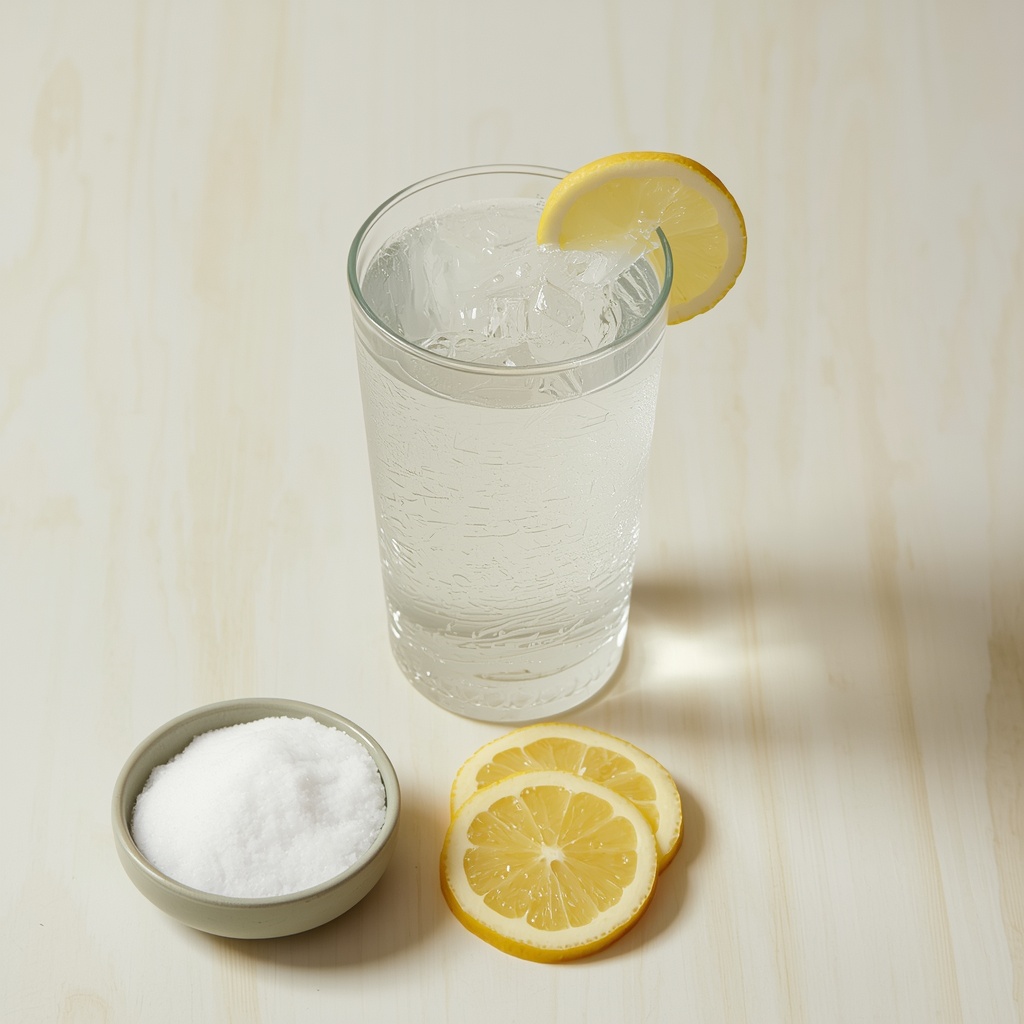
Baking Soda Drink for Weight Loss (3 Ways)
Ingredients
Equipment
Method
- Choose your method: plain water, apple cider vinegar, or lemon.
- Dissolve baking soda fully in a small amount of water, or combine with ACV/lemon juice first and let the fizzing settle.
- Dilute the mixture with 1-2 cups of water.
- Drink on an empty stomach, once daily.
Notes
Disclaimer:
This article is for informational purposes only and is not a substitute for professional medical advice. Baking soda is high in sodium and can interact with certain medications and health conditions; talk with your doctor before adding it to your routine, especially if you have kidney disease, heart disease, or high blood pressure. Never give baking soda drinks to children under 5.
Jonas Mitchell has spent over a decade researching and writing about nutrition trends, translating conflicting health claims into clear, practical guidance. He does not hold a clinical nutrition credential, and this article should not replace advice from a doctor or registered dietitian.
